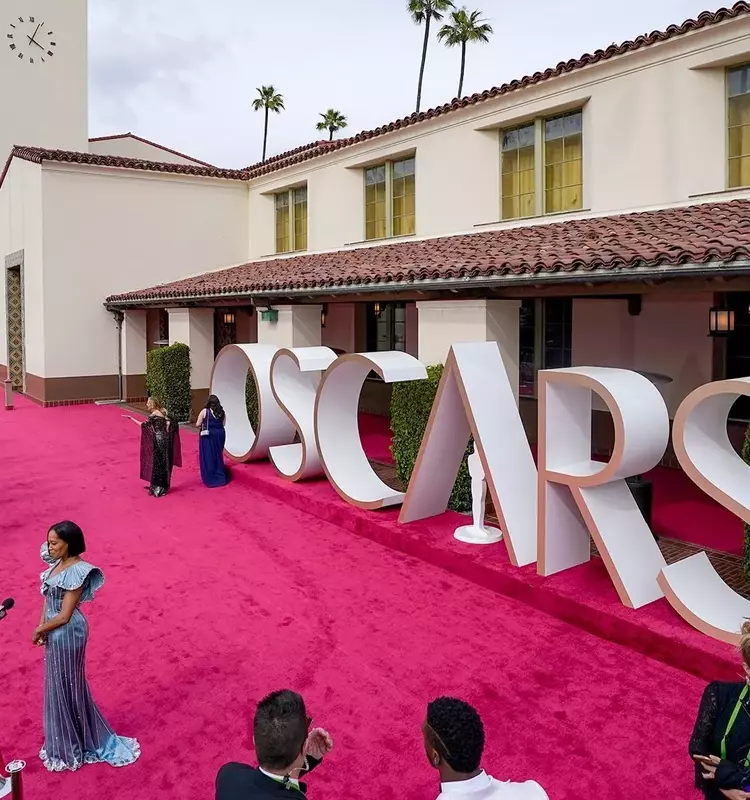
The 93rd Academy Awards unfolded during a period of unparalleled global disruption, transforming the esteemed event into a symbol of resilience amidst a worldwide health crisis and significant social change. This retrospective narrative compiles insights from over 40 individuals, including Dr. Anthony Fauci, the Oscar telecast producers Steven Soderbergh, Jesse Collins, and Stacey Sher, alongside various Academy members, nominees, and winners. Their collective accounts illuminate the extraordinary efforts undertaken to stage an awards season that spanned 14 months and culminated in a ceremony dramatically reconfigured to address the prevailing health and safety concerns. This unique iteration of the Oscars, held at Los Angeles' Union Station, reflected a concerted effort to uphold tradition while navigating an unpredictable environment, showcasing Hollywood's determination to celebrate cinematic achievement against all odds.
The adapted ceremony not only showcased innovative approaches to event planning but also mirrored the broader societal shifts occurring. Discussions ranged from the immediate impact of the pandemic on film production and distribution, particularly the rise of streaming platforms, to the Academy's crucial decisions regarding eligibility and the ceremony's format. Moreover, the event became a platform for addressing significant social issues, exemplified by Regina King's poignant opening remarks acknowledging the challenges faced by the nation. The article captures the blend of logistical hurdles, creative problem-solving, and emotional moments that defined this historic Academy Awards, offering a vivid portrayal of an industry striving for continuity and relevance in a transformed world.
Adapting to Unprecedented Times: The Pandemic's Impact on the Oscars
The global health crisis of 2020 cast an enormous shadow over the entertainment industry, leading to widespread production halts, cinema closures, and a fundamental shift in how films reached audiences, with streaming services experiencing a significant surge. Against this backdrop, the Academy Awards, a century-old institution known for its unwavering presence, faced an existential challenge. For only the fourth time in its history, and for reasons distinct from past postponements, the 93rd Oscars, initially slated for February 28, 2021, was compelled to adapt. The core dilemma revolved around how to honor cinematic excellence when the traditional means of film production, distribution, and celebration were severely constrained by safety concerns. This forced adaptation prompted a series of critical decisions, from adjusting eligibility rules to reimagining the ceremony's physical format, all while striving to maintain the integrity and prestige of the awards.
The necessity of innovation spurred the Academy to make unprecedented changes. Recognizing the impossibility of adhering to traditional theatrical release requirements, the board of governors, meeting remotely via Zoom, approved a temporary waiver allowing films intended for theatrical release to qualify through the Academy's streaming service. This strategic move, along with extending the eligibility window and incorporating drive-in screenings, demonstrated a flexible response to an evolving crisis. The appointment of a dynamic production team, including Steven Soderbergh, Jesse Collins, and Stacey Sher, signaled an intention to radically rethink the telecast. Their vision for an "intimate, in-person event" at an unconventional venue like Union Station, complete with rigorous COVID-19 testing protocols and the establishment of international hubs, showcased a commitment to both safety and spectacle. This period of adaptation highlighted the industry's capacity for ingenuity, transforming what could have been a cancellation into a unique and memorable chapter in Oscars history.
The Reimagined Ceremony: Intimacy, Innovation, and Emotional Resonance
The 93rd Academy Awards ceremony itself was a groundbreaking affair, designed to be both safe and profoundly personal. Moving from the expansive Dolby Theatre to the more intimate setting of Union Station, producers aimed to create an experience reminiscent of classic Hollywood gatherings, prioritizing the nominees' stories and fostering a sense of community. The logistical complexities were immense, requiring meticulous planning for COVID-19 testing, quarantine arrangements, and the creation of "hubs" in various international cities to facilitate global participation without resorting to virtual attendance. This commitment to an in-person, cinematic experience, despite the global restrictions, underscored the desire to preserve the ceremonial gravitas while ensuring the well-being of all involved.
The ceremony delivered moments of both poignant reflection and unexpected levity. Regina King's impactful opening address set a serious yet hopeful tone, acknowledging the social and political climate without overshadowing the celebration of art. The thoughtful decision to place the Best Actor award last, driven by a compassionate consideration for Chadwick Boseman's widow, revealed a human touch amidst the grandeur, even as the eventual outcome created a moment of collective surprise. While the telecast garnered mixed reviews for its unconventional pacing and lower viewership, it was lauded for its innovative production and the emotional depth it allowed. From the unique red carpet experience to the reconfigured seating arrangements and the candid speeches, the 93rd Oscars became a testament to adaptability, human connection, and the enduring power of film to inspire and unite, even in the most challenging of times.
