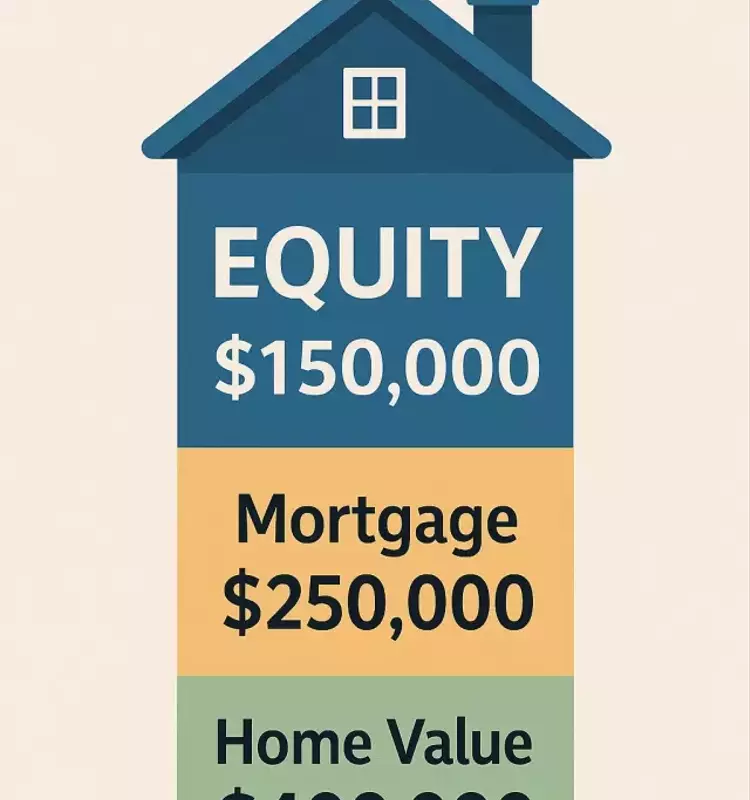
Cultivating equity in your property represents a cornerstone of responsible homeownership, transforming your dwelling into a substantial financial asset. Through astute financial planning and property management, homeowners can significantly shorten the timeline for building this valuable asset. The journey involves a dual approach: diligently reducing your mortgage obligations and strategically enhancing your property's market valuation. By embracing these principles, you not only bolster your personal net worth but also unlock a reservoir of financial flexibility, paving the way for future opportunities and peace of mind.
The strategic accumulation of home equity empowers individuals with a robust financial foundation, extending beyond mere shelter to become a dynamic resource. This financial leverage offers a multitude of benefits, including the capacity to secure advantageous lending options, such as home equity loans or lines of credit, for large expenditures or debt consolidation. Moreover, a substantial equity stake provides the agility to adapt to life's evolving demands, whether it involves refinancing for improved terms or capitalizing on market opportunities through sale. Consequently, proactive measures to build equity are not just advisable but essential for maximizing your home's economic potential.
Strategic Approaches to Boost Home Equity
Accelerating the growth of your home's equity primarily involves two key areas: proactive management of your mortgage payments and diligent investment in your property's physical condition and appeal. Simple adjustments to your payment schedule, such as bi-weekly contributions or adding a modest amount to each payment, can significantly reduce the principal balance and the total interest paid over the loan term. This consistent chipping away at the debt is a powerful, yet often overlooked, method for faster equity accumulation. Furthermore, ensuring that any extra payments are explicitly applied to the principal, rather than merely advancing a future payment, is crucial for maximizing their impact on your equity.
Beyond payment adjustments, strategically engaging with your mortgage terms can also dramatically influence equity growth. Opting for a shorter loan term, like a 15-year mortgage instead of a 30-year one, inherently means a larger portion of each payment goes toward the principal, accelerating equity build-up. While this necessitates higher monthly outlays, the long-term savings in interest and rapid equity gains are substantial. Similarly, exploring refinancing opportunities to secure a lower interest rate can redirect more of your monthly payment towards principal reduction, even if the loan term remains unchanged. These financial maneuvers, when carefully considered against your budget, provide potent pathways to enhance your home equity faster.
Enhancing Property Value and Financial Flexibility
The intrinsic value of your home plays an equally vital role in equity accumulation, as it directly impacts the calculation of your total equity. Thoughtful renovations that resonate with market demands can significantly uplift your property's appraisal value. However, the key lies in undertaking improvements that offer a strong return on investment, such as kitchen or bathroom remodels, or enhancing curb appeal. Consulting with local real estate professionals can provide invaluable insights into which upgrades will most effectively increase your home's worth in your specific market, ensuring that your investment translates directly into increased equity rather than mere expenditure. Moreover, for those inclined, contributing "sweat equity" through DIY projects can further amplify the value added without incurring high labor costs.
Maintaining your home in impeccable condition is not just about aesthetics; it's a fundamental aspect of preserving and growing your equity. Regular maintenance prevents minor issues from escalating into costly repairs that could diminish your home's value or necessitate significant financial outlays that detract from equity-building efforts. A well-maintained property not only retains its market appeal but also ensures its value appreciates naturally over time, complementing the equity gained through mortgage repayment. Furthermore, starting with a larger down payment on a new home or during a refinance significantly front-loads your equity, reducing the initial loan-to-value ratio and potentially bypassing the need for private mortgage insurance. Combining these strategic financial and maintenance efforts creates a synergistic approach, ensuring your home remains a continually appreciating asset and a strong pillar of your financial portfolio.