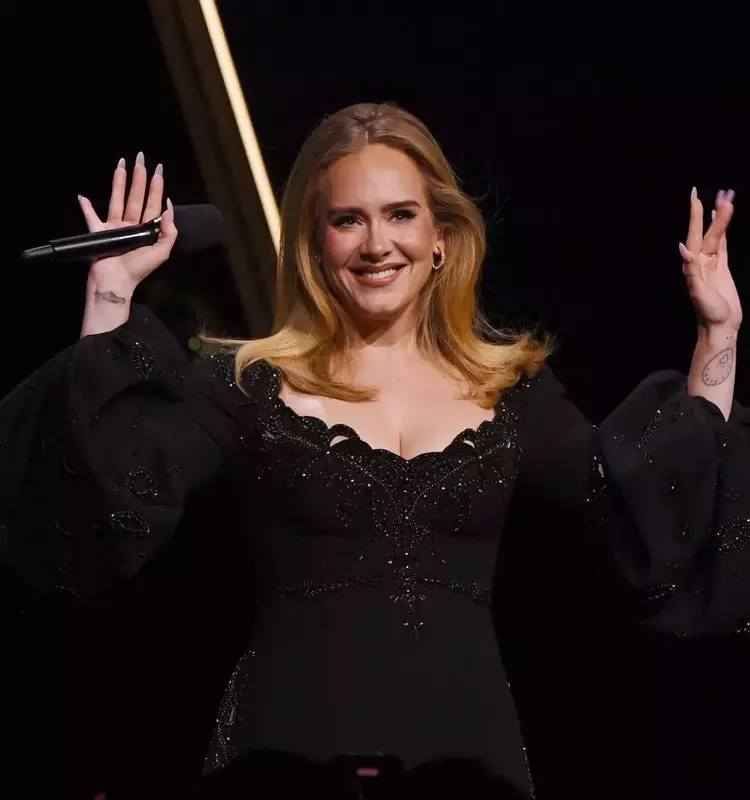
Pop superstar Adele is poised to embark on a new chapter in her career, venturing into the cinematic world with her debut feature film role. This unexpected move comes four years after her last album, “30,” suggesting a temporary pivot from music to acting. The film, an adaptation of Anne Rice’s 1982 novel “Cry to Heaven,” is generating considerable buzz as Adele steps onto a new stage, leaving fans eagerly anticipating her performance.
Adele's foray into acting marks a significant shift from her established musical career, presenting a new challenge for the acclaimed artist. This bold decision to take on a complex narrative set in the 18th-century Italian opera scene highlights her willingness to explore diverse artistic avenues. The film’s focus on the dramatic and often tragic lives of castrated male sopranos suggests a profound and emotionally charged story, offering Adele a unique platform to showcase her dramatic capabilities.
Adele's Silver Screen Debut in "Cry to Heaven"
Adele, globally recognized for her powerful vocals and emotional ballads, is expanding her artistic portfolio with her first major acting role in “Cry to Heaven.” This adaptation of Anne Rice’s critically acclaimed 1982 novel is scheduled to commence filming in London in January, with an anticipated release in late 2026. The film boasts an impressive cast, including seasoned actors Colin Firth and Aaron Taylor-Johnson, promising a compelling cinematic experience. While Adele previously had a brief cameo as herself in a 2009 episode of “Ugly Betty,” this upcoming role represents her official debut in a narrative feature film, drawing immense attention from both her music fanbase and the wider film industry.
The novel “Cry to Heaven” delves into the dark and opulent world of 18th-century Italian opera, a setting characterized by its dramatic intensity and the controversial practice of castrating young boys to preserve their high vocal ranges. The story follows two male soprano singers who endure this irreversible procedure, exploring themes of sacrifice, artistry, and the human cost of pursuing musical perfection. Although Adele’s specific role remains undisclosed, the musical backdrop of the film aligns perfectly with her background as a singer, potentially allowing her to leverage her profound understanding of musical expression within a dramatic context. This project is helmed by acclaimed fashion designer and director Tom Ford, known for his visually stunning and emotionally resonant films like “A Single Man” and “Nocturnal Animals.” Ford’s involvement, coupled with his reported self-funding of the project after a lucrative company sale, underscores the artistic ambition and potential prestige of “Cry to Heaven.”
A New Artistic Chapter: Music on Hold for Film
After concluding her highly successful “30” tour with a year-long Las Vegas residency, Adele has taken a hiatus from recording new music, signaling a deliberate shift in her career focus. This pause has paved the way for her significant leap into acting, a move that is reshaping public perceptions of her artistic trajectory. The decision to prioritize a complex film role over immediate musical projects suggests Adele’s desire for new creative challenges and an exploration of storytelling through a different medium. Her fans, accustomed to her chart-topping albums and sold-out concerts, are now keenly watching to see how her artistic talents translate to the big screen.
Adele’s transition into acting raises intriguing questions about her future musical endeavors and her potential involvement in the film’s soundtrack. While there has been no official confirmation regarding her singing for “Cry to Heaven,” the precedent set by her Oscar-winning theme song for the James Bond film “Skyfall” fuels speculation among her admirers. The film’s opera setting provides a natural opportunity for her distinctive voice to be featured, potentially blending her established musical prowess with her burgeoning acting career. This venture could mark a transformative period for Adele, demonstrating her versatility as an artist and opening doors to a broader range of creative expressions beyond her celebrated music. Whether this cinematic journey is a temporary detour or a long-term artistic expansion, it undoubtedly represents a bold and exciting new chapter for the global icon.