While the aspiration of homeownership is deeply ingrained in many, it is not always the most practical or financially sound choice for everyone. This article elucidates the compelling advantages of renting, presenting a comprehensive view of why leasing a residence can often be more beneficial than purchasing one, depending on individual circumstances and financial goals.
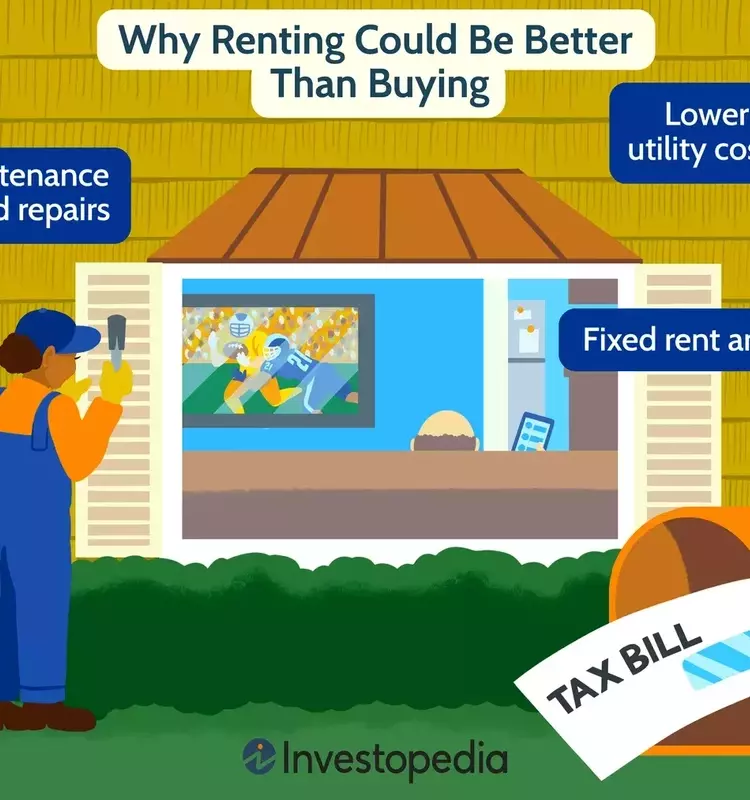
One significant benefit of renting is the alleviation of substantial maintenance and repair expenses. Unlike homeowners, who bear full responsibility for property upkeep and unexpected repairs, tenants generally transfer these burdens to their landlords. This means that a malfunctioning appliance or a leaky roof becomes the landlord's concern, saving renters potentially thousands of dollars in unforeseen costs. Homeowners, in contrast, must budget for and manage these often-costly repairs and renovations themselves, which can quickly deplete savings.
Moreover, renters frequently gain access to premium amenities that would be prohibitively expensive for most homeowners. Many apartment complexes and rental communities offer luxurious features such as swimming pools, fitness centers, and communal spaces, often included in the monthly rent. While some properties might impose separate amenity fees, these are typically far less than the cost of installing and maintaining such facilities in a privately owned home. Condo owners, for instance, often pay homeowners association (HOA) fees to cover shared amenities, which can accumulate significantly over time.
A major financial advantage of renting is the exemption from property taxes. These taxes can constitute a considerable financial load for homeowners, varying greatly by location and potentially amounting to thousands of dollars annually. Property tax calculations are usually complex, based on the assessed value of both land and structures, along with local tax rates. The increasing size of new constructions can further amplify this tax burden, a concern entirely bypassed by renters.
Initial financial outlay also favors renting. Typically, renters are required to pay a security deposit equivalent to one month's rent, along with potential application fees and advance rent payments. This deposit is generally refundable, minus deductions for damages beyond normal wear and tear. Conversely, home purchasers often face substantial down payments, sometimes as much as 20% of the property's value, though some mortgage programs offer lower or no down payment options. While a down payment builds home equity and contributes to a valuable long-term investment, the immediate financial strain is considerably higher than for renting.
Renting also offers unparalleled flexibility in choosing a place of residence. Tenants can explore diverse locations, including expensive urban centers like New York City, which might be financially inaccessible for homebuyers. This geographic freedom allows individuals to adapt their living situation to their career, lifestyle, or personal preferences without the long-term commitment and financial constraints of homeownership.
Furthermore, renters are largely shielded from the fluctuations of property values. While homeowners grapple with the impact of market shifts on their property's worth, affecting property taxes and borrowing capacity, renters remain largely unaffected. In a volatile housing market, this insulation from depreciating asset values can provide significant peace of mind and financial stability.
The ability to downsize is another compelling advantage for renters. At the conclusion of a lease, tenants can easily transition to more affordable or smaller living spaces, a flexibility particularly appealing to retirees or those seeking to manage their budget more effectively. Homeowners, however, face considerable financial and logistical hurdles when attempting to sell, including transaction costs and the potential inability to recoup renovation investments, which can lock them into an unsuitable property.
Finally, renters benefit from predictable housing costs. Rent payments are typically fixed for the duration of a lease, simplifying budgeting. While landlords may adjust rent upon lease renewal, this usually involves advance notice. This predictability contrasts with the variable costs homeowners face, such as fluctuating adjustable-rate mortgage payments and ever-changing property taxes, which can introduce financial uncertainty. Renters also generally incur lower utility costs due to the typically more compact and energy-efficient designs of rental units compared to larger, less efficient homes.
In summary, while homeownership offers the potential for long-term equity accumulation, renting presents a compelling alternative for those prioritizing financial flexibility, predictable costs, and freedom from maintenance obligations. It caters to a lifestyle that values adaptability and access to amenities without the extensive financial and logistical commitments of owning a property. The decision ultimately hinges on an individual's unique financial situation, personal preferences, and lifestyle needs.
