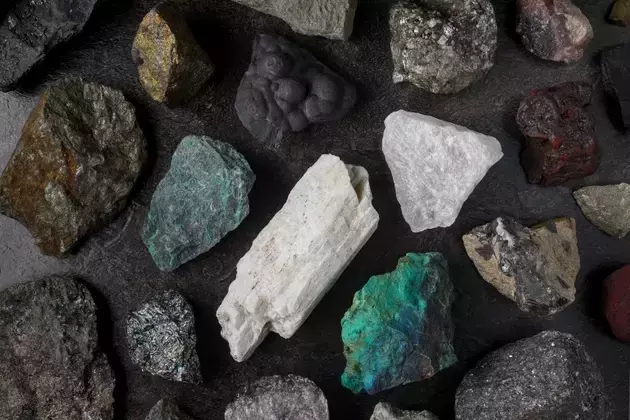
The global energy transition is intensifying the demand for vital minerals such as cobalt, copper, and lithium. The concentration of these resources geographically presents significant challenges for global supply chains and international relations. Africa, rich in these critical elements, is emerging as a key player.
African nations are strategically repositioning themselves to gain more value from their natural resources. Faced with economic pressures and a desire for greater self-determination, they are moving from being passive suppliers to assertive market influencers, reshaping the global critical minerals landscape.
Africa's Growing Influence in Critical Mineral Supply
The global shift towards clean energy sources has triggered an unprecedented demand for critical minerals such as cobalt, copper, and lithium, which are indispensable for technologies like electric vehicles and renewable energy storage. Africa's contribution to this global supply chain is not merely significant; it is rapidly expanding. The continent currently provides 76% of the world's mined cobalt and 41% of its bauxite, highlighting its substantial role in meeting the increasing global demand for these essential resources. This dominance is projected to grow further, with Africa expected to supply 60% of lithium and 76% of cobalt by 2030, profoundly impacting global supply chains and market dynamics.
This burgeoning importance has transformed access to critical minerals into a matter of national security, placing Africa at the center of intense geopolitical competition between global powers such as the United States and China. African governments, motivated by post-pandemic fiscal challenges and a strategic ambition to capture more value from their natural endowments, are transitioning from being mere price-takers to active price-setters. This strategic shift involves implementing policies aimed at increasing local processing and beneficiation, which, if successful, could diversify midstream processing away from traditional hubs in Asia, bolster African economies, and fundamentally alter the economics of supply chains for international buyers. Investors, however, must navigate considerable risks, including infrastructure deficits, political instability, regulatory uncertainties, and rising resource nationalism, which manifest in export controls and potential changes to taxes or royalties.
Geopolitical Stakes and Economic Empowerment
The burgeoning global appetite for critical minerals, driven by the clean energy transition, has elevated Africa's geopolitical importance. The continent's vast reserves of minerals like cobalt, copper, and lithium are now seen as strategic assets, transforming access to these resources into a critical component of national security for major global economies. This has inevitably led to a heightened competition between global superpowers, with the U.S. and China vying for influence and access to Africa's mineral wealth.
In response to this increased strategic value, African nations are actively asserting greater control over their natural resources. Motivated by the need to address post-pandemic economic challenges and a desire to maximize the economic benefits from their mineral endowments, these countries are adopting more assertive policies. This includes initiatives to boost in-country processing and add value to raw materials before export. Such measures aim to transform African economies from merely extracting and exporting raw materials to becoming significant players in the global manufacturing and supply chains for clean energy technologies. This strategic shift not only promises to enhance economic development across the continent but also redefines Africa's role in the global economy, moving it from a peripheral supplier to a central, indispensable partner in the future of sustainable energy.
