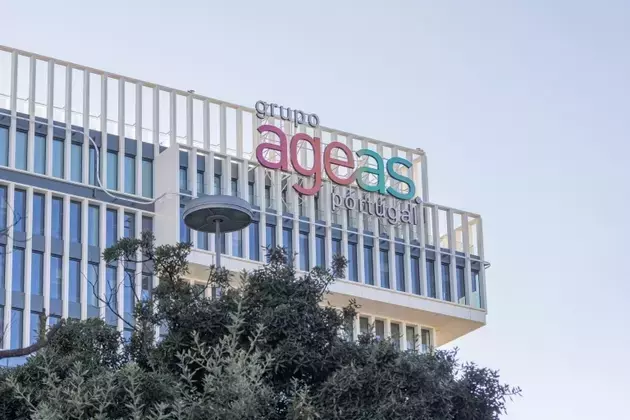
Ageas SA/NV has achieved an impressive 130% total return since June 2023, a performance largely driven by its prudent capital allocation strategies and well-executed acquisitions. The company's robust Solvency II ratio, standing at 211%, provides a solid foundation for continued business expansion and sustained shareholder value. With over €2.2 billion earmarked for capital deployment between 2025 and 2027, Ageas is poised for future growth and enhanced investor returns. Despite its significant share price appreciation, the stock currently trades at a notable discount relative to its competitors, indicating potential for further upside given its strengthened financial health and strategic initiatives.
Ageas SA/NV, a prominent Belgian insurance group, has seen its stock perform exceptionally well over the past year. This impressive growth stems from a combination of strategic financial management and targeted expansion. The company's management has consistently focused on efficient capital deployment, ensuring that resources are allocated to projects that yield maximum returns. This approach has not only fueled business growth but also significantly contributed to the total return for shareholders. The company's strong Solvency II ratio is a key indicator of its financial stability. A ratio of 211% far exceeds regulatory requirements, offering Ageas substantial flexibility for future investments, acquisitions, and capital distributions.
In addition to organic growth, Ageas has actively pursued strategic acquisitions that complement its existing operations and expand its market reach. These acquisitions have been carefully integrated, contributing to both revenue growth and operational synergies. The commitment to return value to shareholders is evident in its dividend policy. The company offers a competitive dividend yield of 5.5%, supported by a conservative payout ratio of 42%. This conservative approach ensures the sustainability of dividend payments and allows for gradual, consistent increases over time, making it an attractive option for income-focused investors.
Furthermore, Ageas's valuation appears compelling when compared to its industry peers. Despite the substantial rally in its stock price, the company's shares are trading at a discount, suggesting that the market may not yet fully appreciate its improved fundamentals and future prospects. This undervaluation, combined with its strong operational performance, robust capital position, and attractive dividend, positions Ageas as a potentially undervalued investment opportunity within the insurance sector.
In summary, Ageas SA/NV's recent financial achievements highlight its strategic prowess and operational efficiency. The company's significant total return, robust Solvency II ratio, and clear capital deployment plans underscore its commitment to both growth and shareholder value. The attractive dividend yield and a conservative payout ratio further enhance its investment appeal. Despite the strong performance, the current market valuation indicates that the stock may still be trading below its intrinsic worth, offering investors an opportunity to capitalize on its continued upward trajectory.
