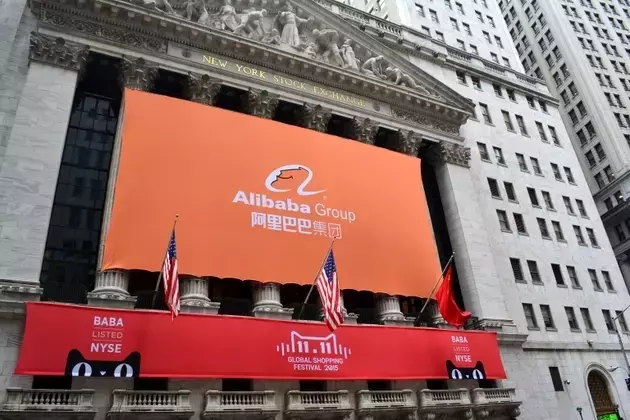
Alibaba is strategically investing in artificial intelligence, developing new hardware like the Zhenwu M890 chip and expanding into robotics AI models. This innovation is crucial for the company's long-term growth. However, the firm operates within a complex geopolitical landscape, facing ongoing tensions between the U.S. and China, coupled with intensified regulatory scrutiny from both nations. These external factors exert pressure on its market valuation and overall investor sentiment. Despite these significant headwinds, Alibaba's continued advancements in AI suggest a resilient growth trajectory and potential for appreciation given its current market standing.
Alibaba's AI Expansion Navigates Global Challenges
In a significant move to bolster its technological independence and AI capabilities, Alibaba recently unveiled its advanced Zhenwu M890 chip, marking a notable leap in its semiconductor development. This new chip, engineered for artificial intelligence applications, boasts three times the performance of its predecessors, according to company statements. The introduction of this proprietary hardware highlights Alibaba's determined effort to reduce its reliance on foreign, particularly U.S.-sourced, chip technology, a strategy that aligns with broader national objectives for technological self-sufficiency.
Furthermore, Alibaba has expanded its AI portfolio with the launch of new robotics AI models. These models are designed to enhance automation and intelligent operations across various sectors, demonstrating the company's commitment to integrating AI into its diverse business ecosystem. This strategic pivot towards advanced AI is deeply rooted within the company's corporate structure, with the formation of the Token Hub business group. This specialized unit is directly overseen by CEO Eddie Wu, signaling the paramount importance the company places on AI development and its integration into future growth strategies.
Despite these internal advancements, Alibaba faces a turbulent external environment. The enduring geopolitical tensions between the United States and China continue to cast a long shadow over Chinese technology companies. Coupled with renewed and stringent regulatory oversight from both the U.S. and Chinese governments, these factors create a challenging operational landscape. U.S. policies, such as the inclusion of Chinese tech firms on military company lists, and the Chinese government's tightening grip on its domestic technology sector, collectively contribute to a cautious investment climate and suppress Alibaba's market valuation. These dual pressures complicate the company's international expansion efforts and impact investor confidence.
Nevertheless, the foundational strength of Alibaba's AI growth story remains compelling. The innovations in chip design and robotics AI position the company for substantial future growth in an increasingly digital world. The current low valuation, primarily driven by geopolitical and regulatory concerns rather than intrinsic business performance, presents a unique opportunity for long-term investors. As Alibaba continues to innovate and adapt, its AI initiatives are poised to drive significant value, making it a pivotal player in the global technology arena despite the ongoing challenges.
The persistent geopolitical and regulatory challenges underscore a critical dynamic in the current global economy: the increasing interplay between national security, technological leadership, and market valuation. Companies like Alibaba, at the forefront of technological innovation, often find themselves navigating complex political currents that can significantly impact their trajectory. This situation prompts a deeper consideration of how corporate strategy must evolve to not only achieve technological superiority but also to effectively mitigate political risks. For investors, it highlights the necessity of a nuanced approach that evaluates not just financial metrics and market potential, but also geopolitical landscapes and regulatory frameworks. The story of Alibaba serves as a powerful reminder that in today's interconnected world, the future of global corporations is inextricably linked to international relations and domestic governance, demanding a more comprehensive understanding of the multifaceted environment in which they operate.
