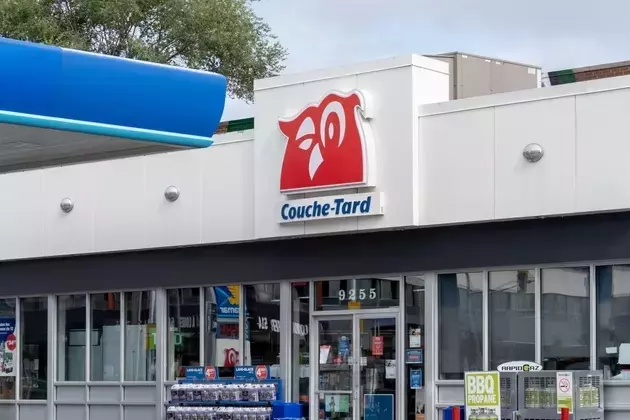
Alimentation Couche-Tard, while fundamentally robust, currently trades at a significant premium, prompting a ‘Hold’ rating. The company's present valuation, with a P/E ratio nearing 21x, far surpasses its historical averages, indicating constrained upside potential unless there's a notable acceleration in growth or a re-rating of its multiples. The future earnings trajectory faces several headwinds, including the inherent risks associated with mergers and acquisitions, potential erosion of profit margins, and the complex challenge of integrating electric vehicle charging infrastructure into its business model. These factors collectively underscore the importance of a margin of safety for investors.
My valuation assessment sets the fair value target at $68 per share. This figure reflects a necessary buffer against various operational and macroeconomic uncertainties, ensuring that investors are adequately protected from potential downsides. The analysis suggests that at its current stock price, the company's valuation has outpaced its near-term growth prospects, making it less attractive for new investments seeking substantial returns. Careful consideration of these elements is crucial for a balanced investment perspective.
The Current Premium and Future Growth Challenges for Alimentation Couche-Tard
Alimentation Couche-Tard (ACT:CA) is recognized for its foundational strength, yet its current market valuation presents a notable concern. The stock's trading price suggests an elevated premium that may not be fully justified by its projected growth. With a price-to-earnings (P/E) ratio hovering around 21x, the company's shares are trading well above their historical averages. This elevated multiple implies that investors are currently factoring in highly optimistic future performance, which could limit the potential for significant capital appreciation unless the company delivers exceptional growth or experiences a sustained expansion in its valuation multiples.
The outlook for Alimentation Couche-Tard's future earnings growth is subject to various challenges. The company's strategy often involves mergers and acquisitions (M&A), which, while offering growth opportunities, also carry inherent risks of integration failures and overpayment. Furthermore, the evolving retail landscape, coupled with competitive pressures, could lead to margin erosion, impacting profitability. A particularly pertinent challenge is the rise of electric vehicles (EVs) and the associated shift in consumer behavior away from traditional gasoline stations. Successfully adapting to these EV charging trends will require substantial investment and strategic innovation to maintain foot traffic and revenue streams, adding another layer of complexity to its growth narrative.
Valuation Risks and Strategic Adaptations Amid Market Changes
The current market valuation of Alimentation Couche-Tard, at approximately $84 per share, suggests a limited margin of safety for investors. My fair value estimate of $68 per share implies that the stock is currently trading above its intrinsic value, highlighting potential overvaluation. This discrepancy underscores the importance of exercising caution, as a significant portion of future growth is already priced into the stock. The proposed fair value target incorporates a necessary margin of safety, which is crucial for mitigating risks associated with operational underperformance, unforeseen market downturns, or a correction in valuation multiples.
Addressing the challenges posed by electric vehicle charging trends is pivotal for Alimentation Couche-Tard's long-term sustainability and profitability. The shift towards EVs necessitates costly infrastructure upgrades to install charging stations and a fundamental reevaluation of store formats to keep pace with changing consumer preferences. If the company fails to effectively adapt its convenience store offerings and services to cater to EV drivers, it risks experiencing reduced foot traffic and a dilution of its profit margins. The competitive landscape for EV charging is also intensifying, requiring a robust and agile strategy to secure a meaningful market share. These strategic adaptations are critical to navigating the evolving energy landscape and ensuring continued success in the retail fuel and convenience sector.
