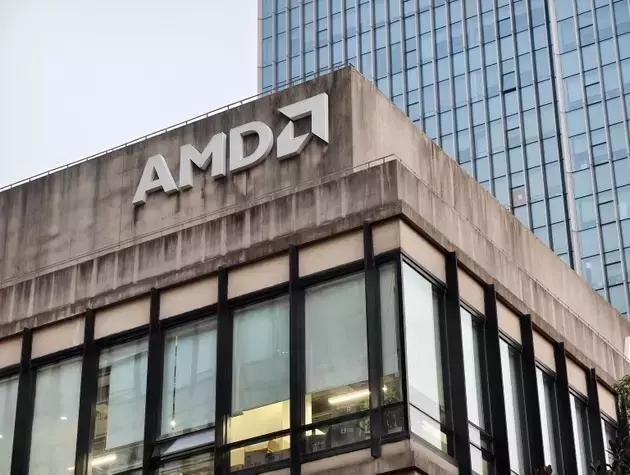
In the dynamic realm of artificial intelligence and data centers, Advanced Micro Devices (AMD) is increasingly asserting itself as a potent rival to the established leader, Nvidia (NVDA). This intensified competition is particularly evident as the focus of AI workloads shifts towards inference and agent-driven computing. My confidence in AMD's trajectory stems from several key factors: the anticipated performance parity of its next-generation CPU, Verano, with Nvidia's Vera; the accelerating adoption and maturity of AMD's open-source ROCm software platform; and the innovative Helios rack-scale solutions, which are directly challenging Nvidia's entrenched market position.
A critical element fueling AMD's ascent is the growing enterprise and hyperscaler endorsement of its ROCm ecosystem, underscored by major commitments like Meta's 6GW GPU investment. This widespread adoption signals a profound and increasing trust in AMD's comprehensive, open-source AI software stack. While Nvidia currently maintains a lead in revenue growth, the performance and ecosystem gap between the two giants is progressively closing. This narrowing divide suggests that AMD is well-positioned for sustainable, long-term market share expansion, offering a compelling alternative in an evolving technological landscape.
AMD's strategic innovations and commitment to an open AI ecosystem demonstrate a powerful drive towards progress and market leadership. The company's efforts are fostering a more competitive and diverse technological landscape, ultimately benefiting the entire industry. By embracing an open-source philosophy and pushing the boundaries of hardware performance, AMD is not only carving out its own success but also contributing to the collective advancement of artificial intelligence.
