The Automotive Confessional: Why Teens Open Up in the Car
ParentsKids

The Automotive Confessional: Why Teens Open Up in the Car

authorBy Dr. Carlos González
DateJul 14, 2026
Read time2 min

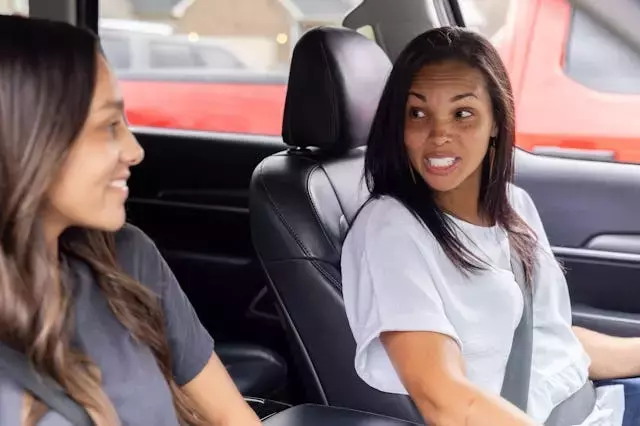
Many parents observe a peculiar shift in their teenagers' communication patterns: while conversations at home might be punctuated by monosyllabic responses, car rides often transform into unexpected sessions of candid sharing. This phenomenon, frequently referred to as the "car confessional," involves adolescents spontaneously disclosing their thoughts on friendships, romantic interests, and academic stressors without any prompting. This article delves into the psychological reasons why the passenger seat often becomes a comfortable space for vulnerable disclosures, moving beyond the typical adolescent reticence.

According to developmental psychologists and licensed therapists, several factors contribute to this unique dynamic. The primary reason is the absence of direct eye contact. Unlike face-to-face interactions that can feel confrontational or interrogative, the side-by-side seating arrangement in a car eliminates the pressure of constant scrutiny, allowing teens to speak more freely. Furthermore, the rhythmic motion of the vehicle and the predictable nature of a drive can have a calming effect on the nervous system, reducing anxiety and creating a more secure environment for opening up. This mild boredom associated with a car journey can also encourage the brain to process daily events, bringing unexpressed thoughts to the surface.

Another significant aspect is the inherent time limit of a car ride. Teenagers understand that these conversations have a clear beginning and end, providing a sense of control over the interaction. This predefined boundary makes engaging in emotional discussions less daunting, as there's a perceived "escape hatch." For parents, it's crucial to resist the urge to immediately offer solutions or turn the conversation into an interrogation. Instead, maintaining an open, curious, and non-judgmental stance is key. Asking open-ended questions and sharing your own vulnerabilities can encourage teens to continue sharing. Even if your teen isn't naturally inclined to confide in the car, fostering low-pressure interactions during other shared activities, such as cooking or walking, can replicate this valuable connection.

The insights from experts highlight that effective communication with teenagers doesn't always happen through direct confrontation but often emerges in less formal, more relaxed settings. By understanding and leveraging the unique dynamics of car conversations, parents can create vital opportunities for connection and build stronger, more trusting relationships with their adolescents. The essence lies in cultivating an environment where teens feel safe, heard, and understood, allowing genuine dialogue to flourish organically.

More Articles
ParentsKids
Effective Support Messages for Overwhelmed Friends
This article explores how to offer meaningful support to overwhelmed friends, particularly new mothers, moving beyond the common but often unhelpful phrase 'Let me know if you need anything.' Drawing on expert advice from therapists, it suggests sending specific, actionable messages or taking initiative to provide help, understanding that those in distress lack the capacity for decision-making. The piece emphasizes the importance of demonstrating care through direct actions or pre-arranged assistance, ultimately aiming to lighten their burden and remind them they are not alone.
By Jessica LaheyJul 14, 2026
ParentsKids
The Five-Star Weekend: Season 2 Prospects and Fan Enthusiasm
Fans of 'The Five-Star Weekend' are eagerly anticipating a second season, despite its initial design as a limited series. Author Elin Hilderbrand and the show's creative team have expressed interest and shared potential plot ideas for a continuation. The show's positive reception and dedicated viewership are key factors that could influence Peacock's decision to renew the series.
By Dr. Benjamin SpockJul 13, 2026
ParentsKids
The Protracted Demise of a Marital Union: A Personal Account
This article explores the often-protracted and emotionally complex journey of marital dissolution. The author recounts her personal experience of disengaging from her marriage years before its official end, highlighting the gradual erosion of intimacy, unmet expectations, and the eventual realization that reconciliation was no longer possible. It delves into the internal processing of divorce, the societal shock, and the common experience of individuals detaching emotionally long before legal separation.
By Kim John PayneJul 13, 2026
ParentsKids
Names Signifying 'Miracle' for Your Beloved New Arrival
Discover a curated list of 37 baby names, for both boys and girls, that embody the essence of a 'miracle' or 'blessing.' These names are perfect for parents who view their new child as an answered prayer or a testament to resilience, celebrating the extraordinary journey of life and the joy a new baby brings.
By Tiffany JewellJul 13, 2026
ParentsKids
Optimizing Pain and Fever Relief for Children: A Guide to Combining Tylenol and Motrin
This article explores the safe and effective combination of Tylenol (acetaminophen) and Motrin (ibuprofen) for children's pain and fever. It highlights that these medications work differently and are processed by separate organs, making their combined use generally safe. The article emphasizes that alternating these medications can be particularly beneficial for severe symptoms, especially high fevers that don't respond to a single drug. It also provides guidelines for safe dosing practices and advises when to seek professional medical attention.
By Dr. Carlos GonzálezJul 12, 2026