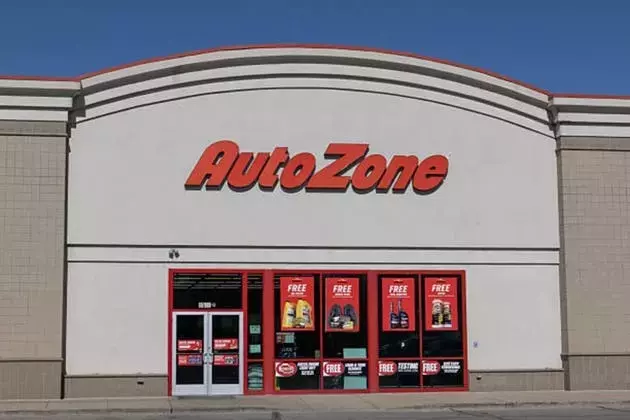
AutoZone Inc. experienced a significant stock price decline following its third-quarter 2026 earnings release, which showed robust earnings per share (EPS) but a shortfall in revenue and a noticeable contraction in gross margins. This market reaction highlights investor concerns about the company's financial health despite its ongoing strategic initiatives. The retailer, known for its automotive parts, continues to benefit from an aging vehicle fleet in the U.S. and is actively expanding its physical footprint, including the establishment of new mega hubs. However, these growth drivers are partially offset by a downturn in do-it-yourself (DIY) customer traffic and persistent inflationary pressures affecting profitability. This analysis aims to provide a comprehensive overview of AutoZone's recent performance, scrutinizing its financial metrics, operational challenges, and strategic responses to determine if the current stock valuation presents an attractive entry point or if a more conservative approach is advisable for investors.
Understanding AutoZone's Mixed Financial Performance
AutoZone Inc. recently announced its third-quarter 2026 financial outcomes, revealing a complex picture for investors. While the company achieved a strong earnings per share (EPS), surpassing analyst expectations, it simultaneously reported a miss on revenue projections. This dichotomy points to effective cost management and operational efficiency in some areas, but also underlying challenges in top-line growth. A significant concern emerging from the report was the contraction in gross margins, signaling that rising costs or competitive pressures are impacting the profitability of sales. This margin compression is particularly noteworthy as the company continues to invest heavily in strategic growth areas. The immediate market response was a roughly 9% drop in AutoZone's stock price, reflecting investor apprehension regarding these mixed signals. Despite benefiting from an aging U.S. vehicle fleet, which typically drives demand for automotive parts, AutoZone appears to be navigating a period where revenue growth is harder to achieve and profitability is under pressure, prompting a cautious stance on its stock.
A deeper dive into AutoZone's operational segments reveals that while overall financial health is mixed, specific areas show both strength and vulnerability. The company's proactive expansion, particularly with new mega hubs, is designed to enhance its distribution capabilities and reach, positioning it for long-term growth. However, the report highlighted a deceleration in DIY customer traffic, indicating a shift in consumer behavior or market dynamics that could impact future sales from this traditional segment. Concurrently, the commercial sales division has shown robust growth, which is a positive sign for market penetration; yet, commercial sales typically carry lower profit margins, thereby contributing to the observed gross margin contraction. This strategic trade-off underscores the challenges AutoZone faces in balancing growth across different customer segments with maintaining overall profitability. Furthermore, the company's aggressive share buyback program, while potentially boosting EPS, raises questions about capital allocation efficiency given the stock's valuation, which remains higher than that of its industry peers. This blend of strategic investments, market challenges, and valuation concerns suggests that while AutoZone has clear growth avenues, its near-term financial outlook is complex and warrants careful consideration by investors.
Navigating Market Challenges and Valuation Concerns
AutoZone's current market standing is characterized by a strategic push for growth amidst several challenging headwinds. The company is actively investing in its infrastructure, specifically through the development of mega hubs, which are intended to streamline its supply chain and improve service delivery, particularly for its burgeoning commercial segment. This expansion is crucial as it seeks to capitalize on the sustained demand generated by an aging national vehicle fleet. However, the broader economic environment presents notable obstacles, including persistent inflationary pressures that directly impact operational costs and consumer spending patterns. These pressures are further compounded by a observed decrease in traffic from the do-it-yourself (DIY) customer base, suggesting a potential shift in how consumers approach vehicle maintenance and repair. Consequently, while the company’s commercial division is experiencing significant expansion, the inherently lower profit margins of this segment are contributing to a visible compression in overall gross margins. This dynamic creates a challenging environment where growth in one area may dilute profitability in another, necessitating a delicate balance in strategic planning.
Despite these operational challenges and a fluctuating market landscape, AutoZone has continued with a robust share buyback program, a move that typically aims to enhance shareholder value by reducing the number of outstanding shares and boosting EPS. However, this strategy comes under scrutiny when considering the company's current stock valuation. Even after a recent price adjustment, AutoZone's shares trade at a premium compared to its competitors within the automotive parts retail sector. This elevated valuation, coupled with the mixed financial results—strong EPS but weaker revenue and margin performance—limits the immediate upside potential for investors. The combination of significant capital expenditure on expansion, the inherent margin pressures from commercial growth, and a relatively high valuation suggests that the stock may not offer a compelling entry point for aggressive growth-oriented investors. Instead, the focus shifts to whether the company can effectively integrate its new infrastructure, mitigate inflationary impacts, and stimulate DIY demand to justify its premium valuation and deliver sustainable long-term returns in a competitive and evolving market.
