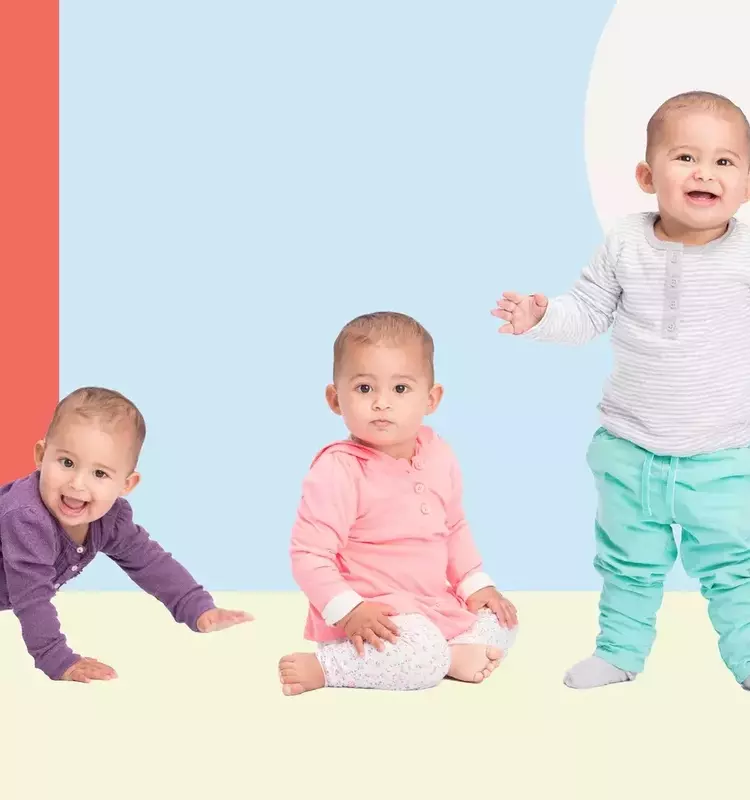
The inaugural year of a child's existence unfolds as a remarkable tapestry of growth and learning, each week bringing forth new skills and understandings. This guide meticulously details the significant developmental benchmarks a baby typically achieves from birth through their twelfth month, providing a week-by-week overview of their evolving capabilities. While each infant's developmental timeline is unique, this framework assists parents in appreciating their child's journey and recognizing when professional consultation might be beneficial.
As newborns adapt to their external world, they swiftly develop foundational skills, progressing from recognizing voices and focusing on nearby objects to initiating cooing sounds and engaging in snuggling. This early period emphasizes sensory development and the building blocks of communication, including eye-tracking and vocal experimentation. Moving into the first few months, a baby's movements become more refined and purposeful, marked by the emergence of social smiles and early attempts at head control. Engaging in gentle exercises, such as supervised tummy time and assisted sitting, strengthens their muscles and fosters independence. Around the three to four-month mark, cognitive and social interactions deepen, with babies beginning to babble, laugh, and show improved hand-eye coordination, often exploring objects with both their hands and mouths. This also introduces the exciting possibility of early mobility, as some infants begin to roll over, necessitating increased safety measures in the home.
The latter half of the first year is characterized by accelerated physical and cognitive advancements. Babies become more mobile, transitioning from creeping to crawling, and eventually, to pulling themselves up and taking their first assisted steps. Their fine motor skills become more precise, enabling them to grasp small objects and experiment with cause and effect, such as dropping toys. Language development flourishes as they start to comprehend common words and mimic sounds, gradually leading to the formation of syllables and, eventually, their first words. Emotional growth is also evident, with children expressing a wider range of emotions, developing preferences, and experiencing phases of separation anxiety, which can be managed with consistent routines and reassurance. By their first birthday, babies are often on the cusp of toddlerhood, demonstrating increasing independence while still relying on their caregivers for comfort and support. This continuous progression underscores the importance of a nurturing environment that encourages exploration, interaction, and consistent communication to foster a child's holistic development.
Embracing the distinct developmental path of each child, parents play an indispensable role in nurturing their growth and well-being. Providing a secure, stimulating, and loving environment empowers children to explore their burgeoning abilities and cultivate a strong sense of self. Each milestone, whether reached early or a little later, is a testament to the marvel of human development, inspiring confidence and resilience in both children and their caregivers as they navigate this extraordinary journey together.
