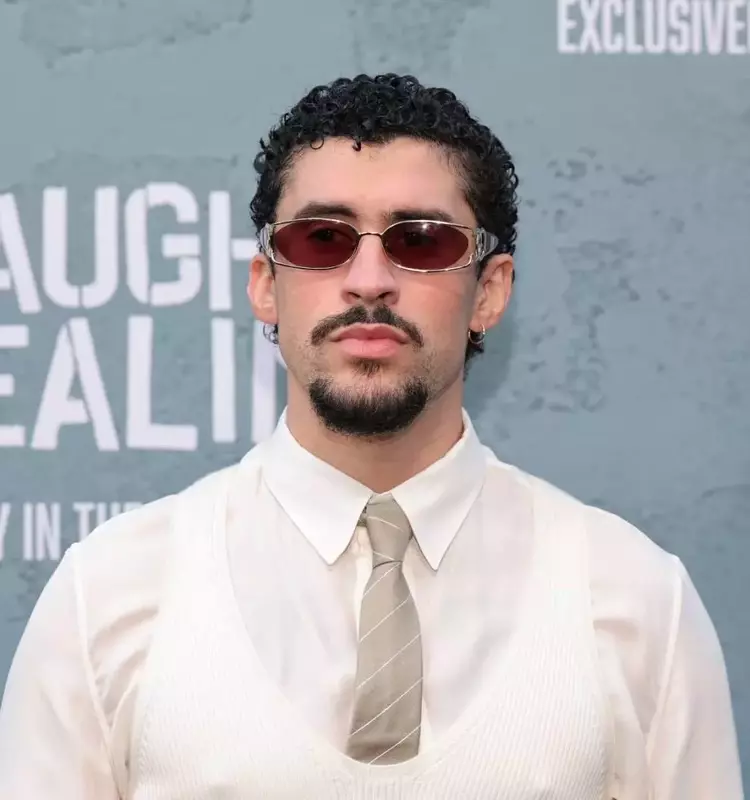
A recent lawsuit has cast a shadow over Latin music sensation Bad Bunny, as a woman claims her voice was used without authorization in two of his chart-topping tracks. The legal action, seeking a substantial $16 million, highlights the complex issues surrounding intellectual property and consent in the music industry. The case raises questions about artistic integrity and fair compensation, echoing a previous legal dispute involving the artist.
Bad Bunny Faces $16 Million Lawsuit Over Alleged Unauthorized Voice Sample
In a significant legal development, Tainaly Y. Serrano Rivera, a former university student, initiated a $16 million lawsuit against global music icon Bad Bunny, whose real name is Benito Antonio Martínez Ocasio, and his long-time producer, Roberto Rosado, also known as La Paciencia. The lawsuit, formally lodged on a Monday in Puerto Rico, as reported by Rolling Stone, centers on allegations that Serrano’s distinctive voice recording was incorporated into two of Bad Bunny’s popular songs without her explicit permission or any contractual agreement.
Serrano claims her voice is prominently featured in the 2018 track “Solo de Mi” from the album X 100pre, and again in the subsequent 2025 release “EoO” from the album Debí Tirar Más Fotos. The specific phrase in contention, “Mira, puñeta, no me quiten el perreo,” which roughly translates to, “Look, damn it, don’t take away my perreo” (referring to a reggaeton dance style), was allegedly recorded in 2018. At the time, Serrano and Rosado were fellow students in the theater program at the Interamerican University of Arecibo.
According to Serrano’s 32-page complaint, she was never informed that the recording would be utilized for commercial or advertising purposes. Crucially, she asserts that no contract, license, or written authorization was ever negotiated or obtained for the inclusion of her voice in the songs. The lawsuit further emphasizes that this recorded phrase has become widely recognizable and is frequently played during Bad Bunny’s concerts and used in the sale of merchandise, including t-shirts, without any compensation to her. Representatives for Bad Bunny and his record label, Rimas Entertainment, have not yet commented on these new allegations.
Adding another layer to this ongoing legal saga, Serrano is represented by attorneys Jose M. Marxuach Fagot and Joanna Bocanegra Ocasio. These legal professionals previously represented Carliz De La Cruz Hernández, Bad Bunny’s former girlfriend, in a similar lawsuit filed in 2023. That case also involved claims of unauthorized voice usage in two songs and is currently awaiting a final resolution after being transferred between federal and state courts. This precedent suggests a pattern of alleged unauthorized use of vocal samples by the artist and his team, potentially strengthening Serrano's current claim.
Reflections on Artistic Responsibility and Digital Era Rights
This incident serves as a poignant reminder of the evolving landscape of intellectual property rights, particularly in the fast-paced and often informal world of music collaboration. In an era where digital sampling and collaborative creation are commonplace, the lines between inspiration and appropriation can become blurred. Artists, producers, and their legal teams must prioritize clear communication and formal agreements to avoid disputes over vocal contributions, even seemingly minor ones. For aspiring artists and collaborators, this case underscores the critical importance of understanding and safeguarding one's rights through formal contracts, ensuring proper attribution and fair compensation for creative work, regardless of its perceived scale. The legal repercussions faced by a prominent artist like Bad Bunny could catalyze a broader industry shift towards more stringent protocols for sound and vocal usage, promoting a culture of respect for every contributor's intellectual property.