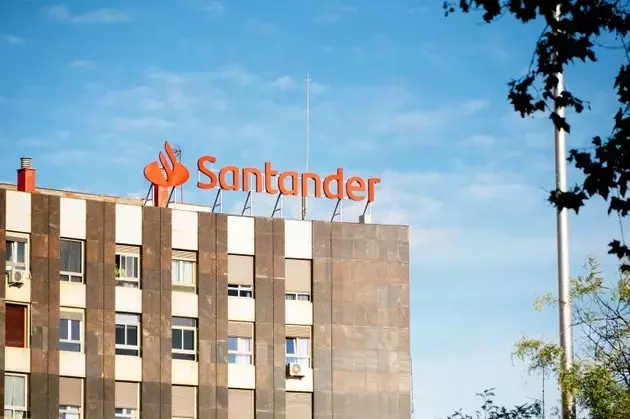
Banco Santander Brasil (BSBR) stock continues to grapple with a challenging economic landscape, marked by persistent macroeconomic headwinds and significant sector-specific pressures. The current environment, characterized by elevated interest rates and a surge in delinquency rates among both individuals and corporations, casts a shadow over the bank's near-term prospects. This confluence of factors places BSBR in a precarious position relative to its competitors.
The bank's performance metrics underscore its struggles, with a lower Return on Equity (ROE) compared to industry rivals such as Itaú Unibanco (ITUB) and Banco Bradesco (BBD). Furthermore, analysts have revised earnings per share estimates downwards twice, reflecting concerns about future profitability. Trading at a discounted price-to-book ratio of 0.8x highlights investor skepticism regarding its intrinsic value and growth potential. The rise of neobanks also adds to the competitive intensity, pressuring traditional financial institutions like Santander Brasil to innovate and adapt.
Although the appointment of a new CEO introduces an unknown variable that could potentially shift the bank's strategic direction, the absence of clear, immediate catalysts for improvement suggests a cautious outlook. The prevailing risk-reward balance implies that investors should maintain a 'hold' position, awaiting more definitive signs of strategic transformation or a more favorable economic climate before considering a more aggressive stance. Without concrete evidence of a turnaround or a substantial easing of economic pressures, the stock's performance is likely to remain subdued.
In this dynamic financial environment, institutions are constantly challenged to adapt and innovate. Santander Brasil's journey through these turbulent times will ultimately hinge on its ability to strategically reposition itself, bolster its financial resilience, and effectively address the evolving needs of its customers amidst fierce competition and economic uncertainty. The path forward demands agile leadership and a clear vision to navigate the complexities of the Brazilian banking sector and emerge stronger.
