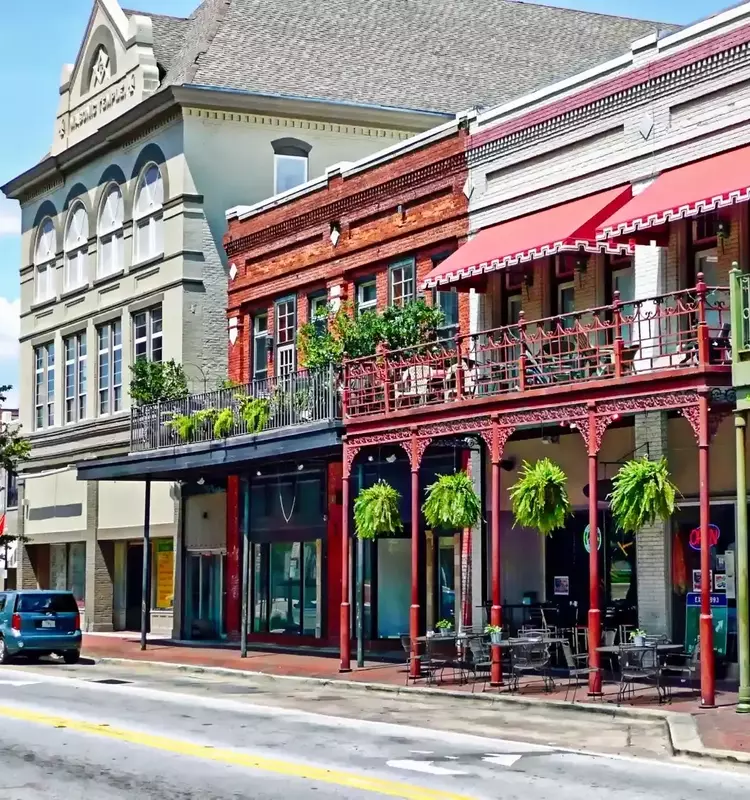
For many retirees, the ideal post-career living situation lies neither in the frantic pace of a major city nor in the isolated tranquility of the countryside. Instead, a growing number are discovering the advantages of what are often termed 'big towns' – municipalities generally boasting populations ranging from 50,000 to 99,000 residents. These communities offer a compelling compromise, blending crucial amenities and a degree of vibrancy without the prohibitive costs and congestion of larger urban centers. While these mid-sized locales present numerous benefits, such as reduced living expenses, convenient healthcare access, and diverse entertainment options, they also come with certain trade-offs that prospective retirees should consider, including limited public transportation and fewer large-scale cultural attractions. Ultimately, for those prioritizing a balanced lifestyle that combines practical necessities with an engaging social environment, big towns can represent an excellent choice for a fulfilling retirement.
Big towns typically offer a comfortable blend of convenience, affordability, and a manageable pace of life, making them increasingly attractive to retirees. These areas generally feature lower housing costs and daily expenses compared to larger metropolitan areas, which is a significant advantage for those living on fixed incomes. Furthermore, access to essential services such as hospitals, clinics, and specialists is usually readily available, reducing the need for extensive travel often encountered in more rural settings. Additionally, big towns foster a sense of community and offer various local events and cultural activities, providing ample opportunities for retirees to stay engaged and active. However, these towns may have limited public transportation options and fewer large-scale entertainment venues, which are important considerations depending on individual preferences and needs.
The Allure of Mid-Sized Communities for Retirement
Choosing a retirement destination involves balancing numerous factors, and mid-sized towns, with populations between 50,000 and 99,000, emerge as a compelling option for many. These communities strike an optimal balance, offering a suite of essential services and a vibrant social fabric without the typical congestion and high costs associated with major cities. Retirees can benefit from more affordable housing, lower daily living expenses, and reduced transportation costs, particularly as they can often avoid city-specific tolls and parking fees. Additionally, the availability of comprehensive healthcare facilities, including hospitals and specialized clinics, means less travel for medical appointments and quicker access to care, which is a critical consideration for older adults. The cultural landscape, while perhaps not as extensive as a metropolis, still provides ample opportunities for entertainment and community engagement through local events, dining, and social gatherings, fostering an active and fulfilling retirement experience.
These mid-sized communities are increasingly recognized for their long-term value and the stability they offer retirees. Lower housing costs are a primary draw, allowing individuals to stretch their retirement savings further, potentially even purchasing a home outright. For instance, cities like Bradenton, Florida, and Kingsport, Tennessee, boast average home prices significantly below the national average, a stark contrast to their larger state counterparts. Beyond housing, daily expenses such as groceries and services are also generally more budget-friendly. Healthcare access is another significant advantage, as these towns typically host well-equipped hospitals and clinics, ensuring retirees have convenient access to medical care without the long waits or travel burdens often found in larger urban centers or very rural areas. Furthermore, the diverse entertainment options, from local eateries to community events, provide a rich social life that helps combat isolation, offering a relaxed yet engaging environment for retirees to enjoy their golden years.
Navigating the Challenges of Retirement in Big Towns
While big towns offer numerous advantages for retirees, they are not without their limitations. One significant consideration is airport access, which can be crucial for those who frequently travel or wish to remain connected with distant family and friends. While some big towns are conveniently located near major transportation hubs, others may necessitate extensive drives or inconvenient connecting flights, adding both time and expense to travel plans. Another potential drawback is the often-limited public transit infrastructure. Unlike major cities with extensive subway or bus networks, big towns typically offer minimal or sporadic public transportation options, making car ownership a near necessity for most daily activities. This reliance on personal vehicles can pose challenges for aging residents, impacting their independence and increasing overall costs related to car insurance, maintenance, and fuel.
Beyond transportation, retirees in big towns might also encounter trade-offs concerning amenities and cost of living. Although generally more affordable than large cities, fast-growing big towns can experience rising home prices and property taxes, which may strain fixed incomes over time. The increased development and activity that accompany growth can also lead to more traffic and a reduction in the quiet solitude that some retirees seek. While these towns offer local entertainment, they may lack the diverse and large-scale cultural institutions, such as major museums or concert halls, found in metropolitan areas. For individuals desiring a self-sufficient lifestyle or extensive cultural offerings, these aspects of big-town living might present significant compromises, making a rural setting or a larger city a more suitable choice despite the higher costs or greater isolation. Therefore, a thorough assessment of these drawbacks is essential for retirees considering a big town for their golden years.
