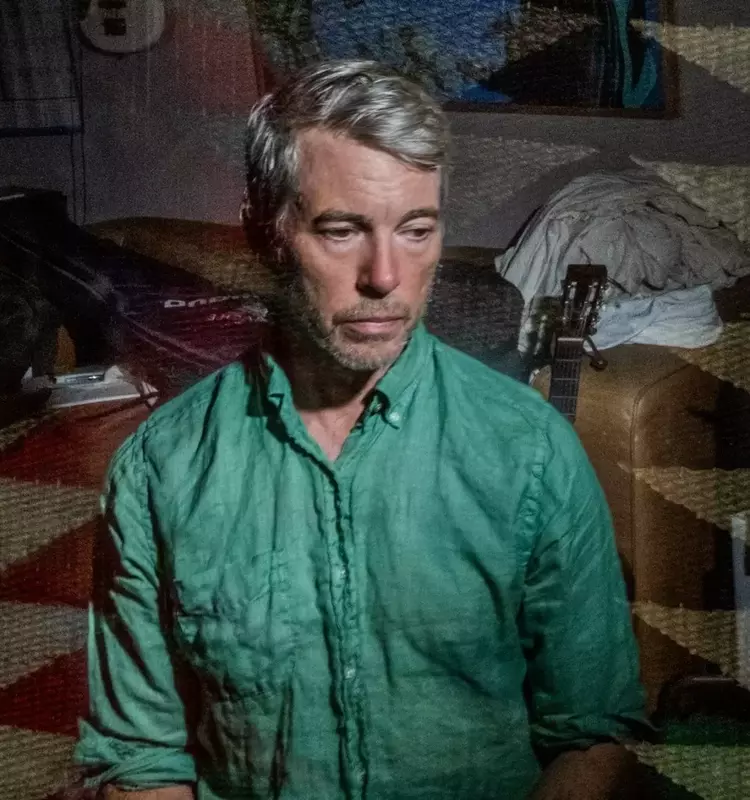
Bill Callahan's latest album, "My Days of 58," marks a significant departure from his previous work, showcasing a newfound openness and autobiographical depth. Inspired by a simple suggestion from his son, the album delves into themes of maturity, fatherhood, and marital expectations, reflecting Callahan's journey from an enigmatic indie artist to a more grounded and self-aware individual. This shift is not only evident in his lyrical content but also in his willingness to discuss his personal life, including his recent health challenges and his collaborative projects.
This candid evolution highlights Callahan's comfort with his identity as an aging artist and a family man. The album's folk-infused sound, enriched by live instrumentation, further amplifies its intimate and confessional nature. Through his music and personal reflections, Callahan offers a compelling narrative of artistic integrity, personal growth, and the delicate balance between creative pursuits and the responsibilities of domestic life.
The Poetic Genesis of 'My Days of 58' and Artistic Evolution
Bill Callahan's latest musical offering, "My Days of 58," emerged from an unexpected source of inspiration: his young son. Breaking from the unspoken taboo in the independent rock scene against revealing one's age, Callahan embraced the numerical title after his son's poetic suggestion. This album signifies a profound shift in his artistic approach, moving from the more abstract and often dark lyrical themes of his early work under the moniker Smog to a deeply personal and autobiographical style. The album explores his maturation, the complexities of fatherhood from both his perspective and that of his late father, and his aspirations to meet his wife's expectations. This new direction is characterized by folk-infused arrangements, lively horns and strings, and the dynamic drumming of Jim White, creating a sound that is both loose and confessional, punctuated by Callahan's distinctive, often humorous lyrics.
Callahan's journey has seen him transition from a cryptic figure who once communicated through faxes to a transparent artist comfortable sharing his life experiences. His early works, produced with minimal recording equipment, were stark and introspective, focusing on fictional character studies and exploring darker aspects of human nature. However, his marriage and the birth of his child in 2014 catalyzed a significant transformation. Albums like "Shepherd in a Sheepskin Vest" marked a turning point, as he began to infuse his music with genuine self-reflection. This era of his career reflects a deliberate choice to explore themes directly related to his personal life, a decision that has resonated deeply with his audience and allowed him to maintain a sustainable career that supports his family, even during periods of reduced musical output.
Navigating Personal Life and Creative Process
Callahan's candidness extends beyond his lyrics into his interviews, where he openly discusses the impact of fatherhood on his artistic identity. The five-year hiatus from recording, prompted by the birth of his first child, was a period of intense personal adjustment. During this time, he prioritized his role as a father, living in Santa Barbara while his wife pursued her education. This experience, though challenging, ultimately enriched his creative wellspring, leading him to realize that a well-rounded life, encompassing family, social interactions, and self-care, profoundly enhances artistic output. He acknowledges that balancing his art with his domestic responsibilities has not only made him a more fulfilled person but also a more efficient and inspired musician, transforming what once felt like an obligation into a cherished aspect of his life.
His creative process has also been influenced by unexpected life events, such as a colon cancer diagnosis, which he faced with remarkable resilience. A dream featuring a glowing pyramid in his abdomen served as a powerful symbol of healing and reassurance during this challenging period. This introspective journey has led him to embrace diverse musical inspirations, from Garland Jeffreys' acoustic sounds to the timeless country narratives of Merle Haggard. His appreciation for other artists, like Lou Reed, whose influence is subtly woven into his chord progressions and even features in a dream-inspired song, highlights his deep connection to the musical lineage that shaped him. This blend of personal narrative, life challenges, and diverse influences culminates in an album that is both a reflection of his past and a testament to his present artistic and personal contentment.