The Power Play: Why the Wealthy Are Re-Engaging with Media
The Timeless Appeal of Media Control
The inclination of prominent figures to acquire media outlets is a recurring theme throughout history. When dissatisfied with public perception or existing media coverage, the wealthy often find a solution in purchasing media entities, thereby gaining a direct channel to influence narratives and public opinion.
The Current Wave of Media Acquisitions
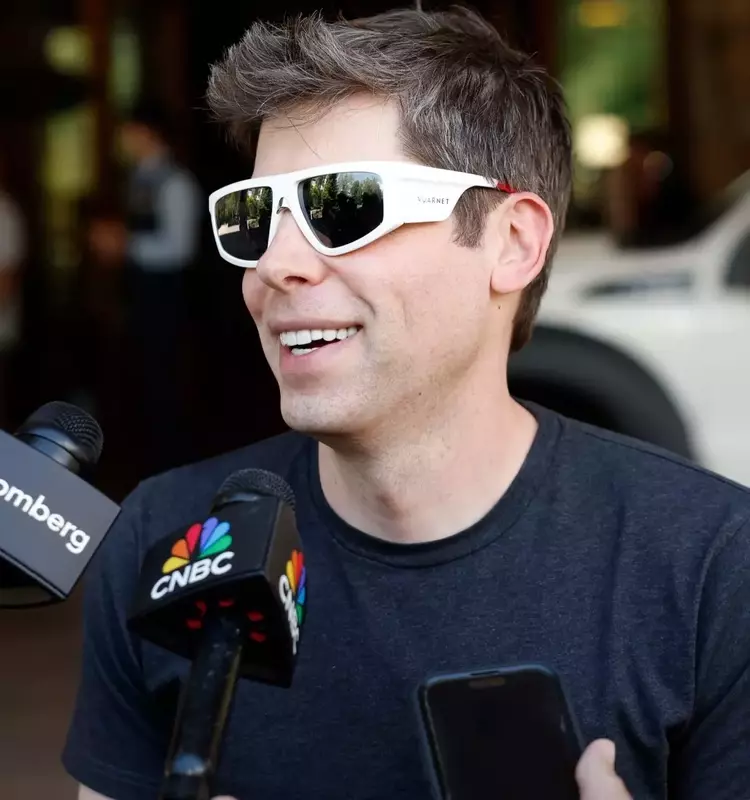
Despite the often-cited difficulties within the media industry, a new class of affluent owners is emerging. A recent example includes OpenAI's acquisition of the popular tech talk show TBPN. Sam Altman, OpenAI's CEO, openly stated his company's motivation: to support the show's continued success and to foster constructive conversations around AI, acknowledging that direct involvement might invite closer scrutiny.
Strategic Communication and Influence
Fidji Simo, OpenAI's applications CEO, highlighted the strategic intent behind the TBPN acquisition, noting that the show's founders would provide advice on communications and marketing. This move underscores a broader objective to cultivate an environment for meaningful dialogue about AI's societal impact, directly addressing perceived biases in traditional media coverage.
Titans' Pursuit of Media Dominance
Beyond tech, established industry leaders are also making significant media plays. Larry Ellison, the head of Oracle, is reportedly backing his son David's substantial bid for Warner Bros. Discovery, following a prior acquisition of Paramount. Similarly, JPMorgan Chase CEO Jamie Dimon has expressed intentions to launch a media venture, citing concerns over biased reporting and its impact on public policy, emphasizing media's crucial role as an influencer.
Echoes of the Past: Corporate and Tech Giants in Media
The interest of corporate behemoths in media is not new; historical examples include Coca-Cola's ownership of Columbia Pictures and General Electric's stewardship of NBC and Universal. More recently, tech titans like Jeff Bezos (The Washington Post), Dr. Patrick Soon-Shiong (Los Angeles Times), and Marc Benioff (Time) have ventured into media, though often with mixed results, facing challenges inherent in managing news operations and journalist relations.
The Double-Edged Sword of Media Ownership
While media offers glamour and influence, its operational realities can be harsh. Many high-profile acquisitions have led to significant layoffs and strategic pivots, indicating that running a media company differs vastly from other business endeavors. The experiences of figures like Chris Hughes with The New Republic serve as cautionary tales of the complexities involved.
Direct Engagement Versus Traditional Media
A growing sentiment in Silicon Valley suggests that executives should bypass traditional media in favor of direct communication channels, such as long-form podcasts. However, despite the allure of direct engagement, traditional media outlets retain their power as aggregators of consumer attention, offering institutional credibility and established audiences that are hard to replicate.
The Enduring Value of Legacy Media
The substantial appeal of long-established media entities, exemplified by the aggressive pursuit of Warner Bros. by Netflix and Paramount, lies in their deep reservoirs of intellectual property and audience trust built over decades. While new platforms like TBPN can quickly gain influence, even they often become acquisition targets rather than purely organic growths.
The Inevitable Cyclical Nature of Media Ownership
Ultimately, the history of media is replete with examples of companies bought and sold by powerful entities, often leading to eventual regrets for the buyers. The audience's power to shape media consumption and influence remains a constant, reminding even the most influential owners that public engagement, not mere ownership, dictates success in the dynamic media landscape.
