Boeing is currently navigating a significant period of transformation, spearheaded by CEO Kelly Ortberg, an industry veteran from outside the company. This strategic overhaul focuses on enhancing safety protocols, streamlining production processes, and reinforcing regulatory adherence following a series of operational challenges and missteps. The company's first-quarter performance in 2026 offered encouraging signs of progress, with reported earnings per share and revenue surpassing market expectations. Notably, Boeing managed to reduce its cash expenditure by an impressive $900 million, while its commercial aerospace division saw a substantial 13% increase in revenue. These developments indicate a positive trajectory for the company as it works to restore its reputation and financial stability.
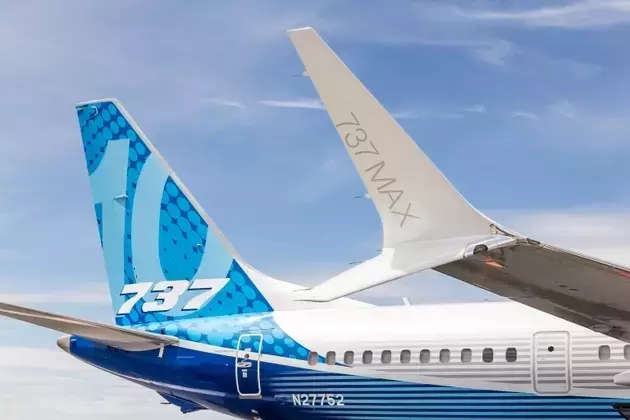
A critical component of Boeing's recovery strategy involves securing the necessary certifications for its MAX 7 and MAX 10 aircraft models. These certifications are pivotal for unlocking future revenue streams and expanding its market presence. Concurrently, efforts are underway to boost the production capacity of the 737 aircraft line, aiming to meet growing global demand. Furthermore, the re-establishment of the company's self-certification authority is anticipated to be a major catalyst, signifying a renewed trust from regulatory bodies and paving the way for more efficient operations. These combined initiatives are expected to significantly contribute to Boeing's revenue growth and margin expansion in the coming fiscal periods.
Examining the specifics of Boeing's strategic shifts, the appointment of Kelly Ortberg as CEO marked a clear intent to bring fresh perspectives and rigorous oversight to the aerospace giant. His leadership has been instrumental in implementing a culture of accountability and precision, directly addressing the systemic issues that plagued the company in previous years. The financial discipline demonstrated in Q1 2026, particularly the reduction in cash burn, highlights effective cost management and operational efficiencies. This is crucial for a company of Boeing's scale, which requires substantial capital for research, development, and manufacturing. The 13% increase in commercial revenue underscores the resilience of the aerospace market and Boeing's ability to capitalize on it, despite past challenges. As the global travel sector continues to recover, the demand for new aircraft is projected to remain robust, offering a fertile ground for Boeing's rebound.
Looking ahead, the successful certification of the MAX 7 and MAX 10 variants is not merely a procedural step but a gateway to fulfilling a substantial order backlog. These new models are designed to offer enhanced fuel efficiency and operational flexibility, making them attractive to airlines worldwide. An expanded 737 production rate will enable Boeing to deliver these aircraft more quickly, translating directly into increased sales and improved cash flow. The return of self-certification authority, a privilege that was previously curtailed, would signal a significant vote of confidence from aviation regulators, affirming Boeing's commitment to safety and quality. This renewed trust is paramount for rebuilding customer relationships and securing future contracts. The collective impact of these factors paints a promising picture for Boeing's performance in the medium to long term.
With these positive indicators, an optimistic outlook for Boeing shares is warranted. The company's concerted efforts to resolve past issues, coupled with strategic growth initiatives, are laying a strong foundation for sustained financial improvement. The anticipated increase in production volume, along with the successful introduction of new aircraft models and a restored relationship with regulatory agencies, positions Boeing for a period of strong market performance. Investors can expect to see the fruits of these endeavors materialize, particularly in the latter half of 2026, as the company solidifies its standing as a leader in the global aerospace industry.
