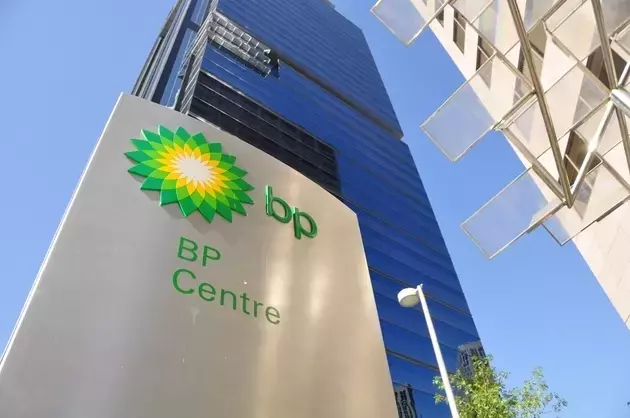
BP has consistently demonstrated resilience and strategic acumen, navigating geopolitical complexities while focusing on long-term financial health. The company's recent strong performance in Q1, coupled with significant leadership changes and a clear vision for debt reduction, positions it favorably in a dynamic global energy market. Despite external challenges like regional conflicts that introduce market volatility, BP's intrinsic value remains robust, suggesting a promising outlook for investors.
The strategic shift towards strengthening the balance sheet through targeted divestitures and ambitious cost-reduction programs underscores a prudent management approach. The leadership transition to a new CEO, known for her expertise in high-margin fossil fuels, further reinforces confidence in BP's ability to adapt and thrive. This blend of operational efficiency, strategic financial planning, and dynamic leadership paints a picture of a company well-prepared to tackle future energy demands and market fluctuations.
BP's Strategic Financial Rebalancing and Leadership
BP has been given a 'Buy' rating following an impressive first quarter, reflecting strong operational results and decisive strategic maneuvers. The company is actively refining its asset portfolio and has welcomed a new, highly capable CEO, who assumed her role in April. This leadership change is anticipated to inject fresh perspectives and drive the company's strategic objectives forward. The board's focus remains on enhancing shareholder value through disciplined capital allocation and operational excellence, ensuring that BP continues its trajectory of growth and stability in the global energy landscape.
A core component of BP's financial strategy is its commitment to achieving a net debt target of $14–18 billion by 2027. This ambitious goal is underpinned by planned divestitures and stringent cost-reduction initiatives, which are crucial for bolstering the company's financial resilience. These measures are designed to strengthen the balance sheet, improve credit ratings, and provide greater financial flexibility for future investments. The leadership is keen on ensuring that every capital deployment decision aligns with long-term value creation, making BP an attractive prospect for investors seeking stability and growth in the energy sector.
Market Dynamics and Intrinsic Value of BP
The prevailing geopolitical situation, particularly the conflict in Iran, has contributed to a short-term increase in BP's valuation. However, this boost comes with inherent risks, including heightened market volatility and uncertainty in oil supply chains. Despite these challenges, the fundamental drivers of oil prices continue to play a pivotal role in BP's market performance. The company's ability to navigate these complex market conditions, coupled with its strong operational foundation, positions it advantageously to capitalize on favorable price movements while mitigating potential downturns. This strategic agility is key to sustaining its market position and delivering consistent returns.
Based on comprehensive analysis, BP's intrinsic value is estimated to be significantly above its current market price. This valuation provides a substantial margin of safety for investors, even when considering conservative financial assumptions and potential market headwinds. The company's robust asset base, diversified operations, and proactive management of financial and operational risks contribute to this favorable intrinsic value. Investors looking for a resilient and undervalued opportunity in the energy sector will find BP an appealing choice, backed by solid financial health and a strategic vision for long-term growth and stability in a fluctuating global economy.
