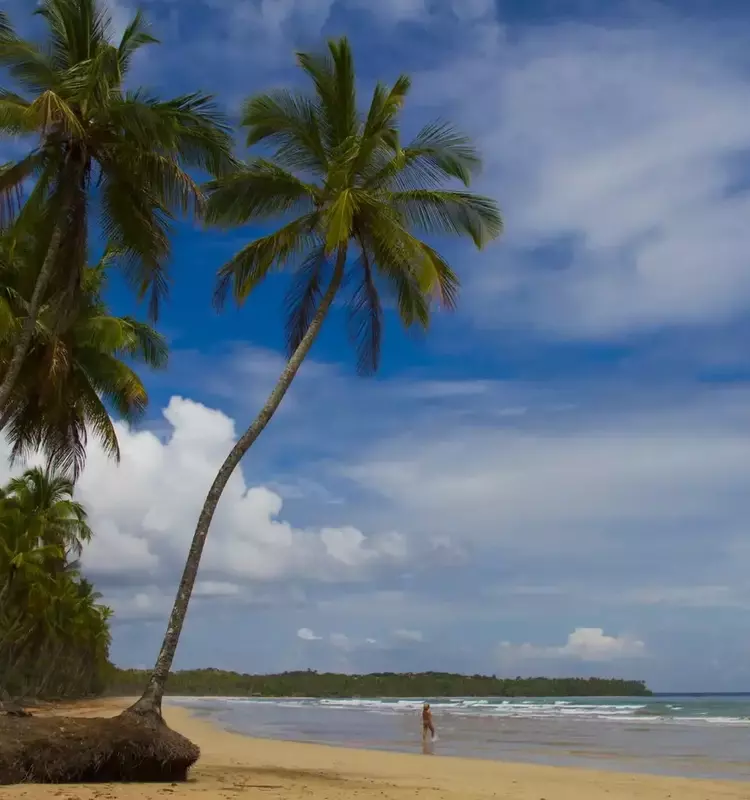
Brazil is emerging as a premier choice for retirees seeking an affordable and enriching lifestyle, moving beyond its popular tourist hubs. While cities like Rio and São Paulo draw international visitors, numerous lesser-known towns offer tranquil coastal living, vibrant local markets, and abundant wildlife, where a modest income can ensure a comfortable life. These destinations, recognized for their natural splendor and lower cost of living, present an attractive option for those looking to stretch their retirement savings further while enjoying a laid-back, outdoor-centric existence.
The allure of Brazil for retirement is straightforward: financial benefits. Daily expenses for housing, groceries, and transport are considerably less than in the United States or Western Europe, enhancing retirees' purchasing power. Brazil's consistently warm climate also supports a lifestyle deeply connected to nature and outdoor activities. Moreover, the country's welcoming culture and easygoing atmosphere make it simple for expatriates to integrate. Its universal healthcare system, complemented by accessible private insurance options, adds to its appeal for foreign residents seeking long-term stability and well-being.
Among the hidden gems are Ubatuba in São Paulo, boasting over a hundred beaches amidst rainforests and oceans, with fresh, inexpensive seafood. While summer months see an influx of tourists, the off-season offers tranquility and cost savings. Sao Miguel dos Milagres in Alagoas provides clear turquoise waters, perfect for diving and kayaking, surrounded by small fishing villages and natural pools. Life here is unhurried, with affordable fresh seafood and convenient access to healthcare in nearby Maceió. Boipeba Island in Bahia offers a car-free, untouched paradise within a UNESCO Biosphere Reserve, known for its quiet beaches and tight-knit community, although it experiences seasonal closures during winter. Atins in Maranhão, situated near Lençóis Maranhenses National Park, features vast dunes, freshwater lagoons, and a minimalist lifestyle suited for outdoor enthusiasts, with local healthcare supplemented by services in Barreirinhas. Garopaba in Santa Catarina, Brazil's surf capital, combines mountain scenery with beaches and a small-town vibe. It provides strong digital connectivity, affordable living, and a mild climate, making it ideal for retirees who appreciate outdoor activities and local artisan fairs. Lastly, Miranda in Mato Grosso do Sul offers a unique retirement experience for wildlife lovers, serving as a gateway to the Pantanal wetlands with opportunities to spot exotic animals and enjoy a serene rural setting. Basic healthcare is available locally, with more extensive services in nearby cities.
Before relocating, prospective retirees should familiarize themselves with Brazil's long-stay visa regulations and healthcare options. While major cities offer excellent private medical facilities with English-speaking staff, rural areas may have limited services. Learning basic Portuguese is highly recommended for easing daily interactions and integration into local communities. Additionally, it is prudent to research regional safety variations to ensure a secure and comfortable retirement in this diverse country. These considerations will help ensure a smooth transition and an enjoyable new chapter in Brazil.
