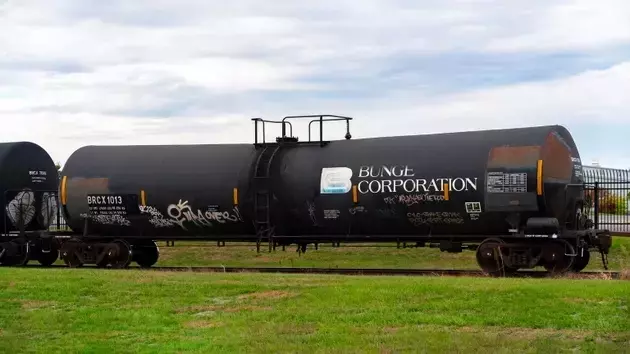
Bunge Global SA (BG) currently faces a complex financial landscape, prompting a "HOLD" rating. The company's valuation, which surpasses 14.5 times its earnings, appears elevated compared to historical figures, indicating a potential overvaluation. Several factors contribute to this cautious outlook, including the anticipated normalization of profit margins, existing regulatory risks, and the potential for dilution stemming from recent merger activities. Furthermore, projections for adjusted earnings per share (AEPS) growth seem overly optimistic, especially when considering the prevailing oversupply in commodity markets and the uncertain demand trajectory for sustainable aviation fuel (SAF).
The integration of Viterra, while designed to enhance Bunge's operational scale, introduces complications such as required divestitures that may impinge upon overall profitability. These integration efforts also entail considerable costs and non-recurring losses, which have adversely affected the company's recent financial performance. Based on these considerations, a fair value target of $100 per share is proposed, representing a 12-13x price-to-earnings multiple on estimated 2028 earnings. This target suggests a potential downside exceeding 20% from current market prices, underscoring a limited risk-adjusted upside for investors.
Valuation Concerns and Fundamental Headwinds for Bunge
Bunge Global SA's current market valuation of over 14.5 times its price-to-earnings (P/E) ratio is notably higher than its historical averages, rendering it an unappealing investment at present. This elevated valuation is particularly concerning given the significant fundamental challenges the company is expected to encounter. The agricultural sector is currently experiencing a period of margin normalization, where the exceptionally high profit margins observed in previous years are unlikely to be sustained. This trend is exacerbated by a global oversupply of commodities, which naturally pressures prices and, consequently, profit margins across the industry. Adding to these economic pressures are regulatory risks that could impact Bunge's operations, potentially imposing additional costs or restrictions. The recent Viterra merger, while strategically aimed at expanding market presence, comes with its own set of challenges, including the necessity for various divestitures. These divestitures, often mandated by regulatory bodies to prevent market concentration, are likely to reduce the profitability of the combined entity and could lead to a less favorable financial structure. Investors should closely monitor these factors as they collectively contribute to a complex environment that challenges Bunge’s ability to generate attractive returns.
The optimism surrounding Bunge's adjusted earnings per share (AEPS) growth forecasts appears to be based on an overly sanguine view of future market conditions, particularly concerning commodity demand and pricing. The global agricultural commodity markets are currently characterized by an oversupply, which intrinsically limits the potential for significant price increases and, by extension, profit expansion. A key area of uncertainty lies in the demand for sustainable aviation fuel (SAF), which Bunge has positioned as a future growth driver. However, the trajectory of SAF adoption is subject to various factors, including evolving government policies, technological advancements, and the volatile economics of alternative fuels. These uncertainties make it difficult to confidently project robust growth from this segment. Furthermore, the Viterra merger has introduced considerable integration costs and non-recurring losses, which have visibly impacted Bunge’s recent financial results. These costs are typical for large-scale mergers but can significantly depress short-to-medium term profitability as the company works to harmonize operations, systems, and personnel. My analysis indicates a fair value target of $100 per share, derived from a more conservative 12-13x P/E multiple on projected 2028 earnings. This valuation suggests a potential downside of over 20% from current stock prices, highlighting the limited risk-adjusted upside for new investments. Given these intricate financial and operational challenges, maintaining a cautious "HOLD" position is advisable until there is clearer evidence of sustainable margin improvement and more realistic growth prospects.
Strategic Merger Impacts and Future Outlook
The strategic acquisition of Viterra is expected to significantly enhance Bunge’s market presence and operational scale within the agricultural commodity sector. By integrating Viterra's extensive global network and assets, Bunge aims to achieve greater efficiencies, expand its geographic reach, and diversify its product offerings. However, this merger is not without its complications. Regulatory approvals in various jurisdictions often necessitate the divestiture of certain assets to prevent undue market concentration and maintain competitive balance. These forced sales can dilute the overall profitability of the merged entity, as Bunge may be compelled to shed valuable, high-performing segments. Additionally, the process of integrating two large organizations is inherently complex and costly. Bunge has already reported substantial integration expenses and non-recurring losses, which have exerted downward pressure on its recent financial performance. These costs typically include restructuring charges, system integration expenses, and potential severance packages, all of which weigh on short-term earnings. The long-term success of the merger hinges on Bunge’s ability to effectively manage these integration challenges, realize projected synergies, and navigate the competitive landscape post-divestitures.
Looking ahead, Bunge’s future financial performance will be heavily influenced by its capacity to mitigate the ongoing challenges posed by commodity market oversupply and the uncertainties surrounding sustainable aviation fuel (SAF) demand. While the Viterra merger offers potential for increased scale and diversification, the benefits will only materialize if Bunge can successfully integrate the new operations and achieve the anticipated synergies without excessive drag from divestitures and integration costs. The company's adjusted earnings per share (AEPS) growth projections are critical, but their optimism must be tempered by a realistic assessment of the global economic climate and agricultural market dynamics. Continued oversupply of key commodities could keep prices subdued, limiting revenue growth. Similarly, the pace and scale of SAF adoption depend on a confluence of factors, including regulatory mandates, technological breakthroughs in production, and competitive pricing with traditional fuels. My revised fair value target of $100 per share, based on a 12-13x P/E multiple of 2028 estimated earnings, reflects these inherent risks and uncertainties. This target suggests that the stock is currently trading at a premium, implying a potential downside of over 20% from current levels. Therefore, a prudent investment strategy would involve a "HOLD" rating, advocating for a cautious approach until clearer indications of fundamental improvement and more certainty regarding long-term growth drivers emerge, which could justify a higher valuation.
