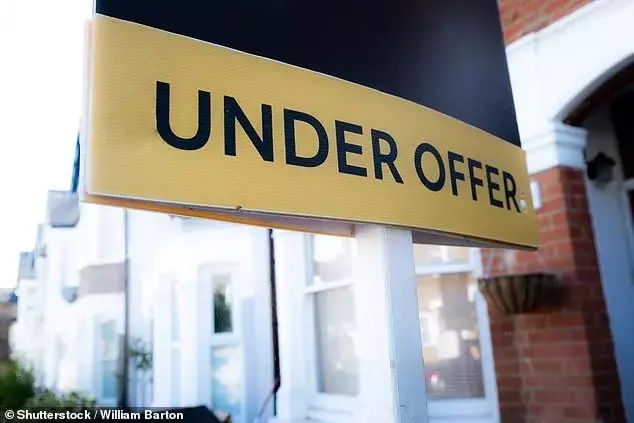
In an unusual and unfortunate situation, a couple finds themselves in a difficult position after their home buyer, post-contract exchange, demanded a 10% discount on the agreed price. This unexpected demand, ostensibly due to alleged issues uncovered in a secondary survey, jeopardizes the sellers' plans to move into their new home and raises significant legal questions regarding the binding nature of exchanged contracts. The case highlights the critical importance of due diligence before contract exchange and the legal protections afforded to sellers in such circumstances.
The sellers had already exchanged contracts, a point at which the transaction typically becomes legally binding. With their move to a new property contingent on this sale, the buyer's last-minute demand creates considerable stress and uncertainty. Legal experts emphasize that once contracts are exchanged, the buyer is contractually obligated to proceed with the purchase at the agreed price. Should a buyer withdraw without valid grounds, they risk forfeiting their deposit, which in this instance amounts to 10% of the property's value. Additionally, they could be liable for further costs incurred by the seller.
Andrew Boast, co-founder of SAM Conveyancing, stated that a buyer's attempt to renegotiate after contract exchange is highly unusual as there are no legal precedents for such actions. He explained that a 10% deposit is paid upon exchange, making the buyer legally bound to complete the purchase by the specified date. Failure to do so would constitute a breach of contract, allowing the seller's solicitor to issue a notice to complete, typically granting the buyer 10 working days. Interest would also accrue on the outstanding balance, and the deposit would be forfeited if completion does not occur within this period. Furthermore, the buyer could be responsible for the seller's legal fees and other related expenses.
Mike Hansom, a property litigation consultant at BLB Solicitors, added that in most instances of buyer default, the seller can rescind the contract and retain the deposit. The seller may also claim compensation for losses like moving costs, conveyancing fees, and agent fees. While suing for specific performance (forcing the buyer to complete the purchase) is an option, it is often a protracted and expensive process, with no guarantee of recovering legal costs. Hansom advises the sellers to maintain a firm stance, communicating through their lawyer that the buyer's reasons for seeking a price reduction are legally unfounded and that failure to complete will result in legal action, including potential forfeiture of the deposit and claims for damages.
Both experts underscored the principle of 'caveat emptor,' or 'buyer beware,' which dictates that buyers are responsible for thoroughly checking the property's condition before exchanging contracts. Any issues identified in a survey should be addressed and resolved prior to this stage. The buyer's late discovery of alleged repair needs does not provide a legitimate basis for renegotiation after the contracts are binding. Sellers are encouraged to request a copy of the buyer's survey to verify the legitimacy of any claimed defects and to ensure they are not being exploited by an opportunistic demand.
This case serves as a stark reminder of the legal weight carried by exchanged contracts in property transactions. For sellers, understanding their rights and seeking expert legal counsel can prevent financial detriment and undue distress. It underscores the importance of stringent adherence to established protocols in real estate dealings, ensuring that both parties fulfill their commitments and that the process concludes fairly.