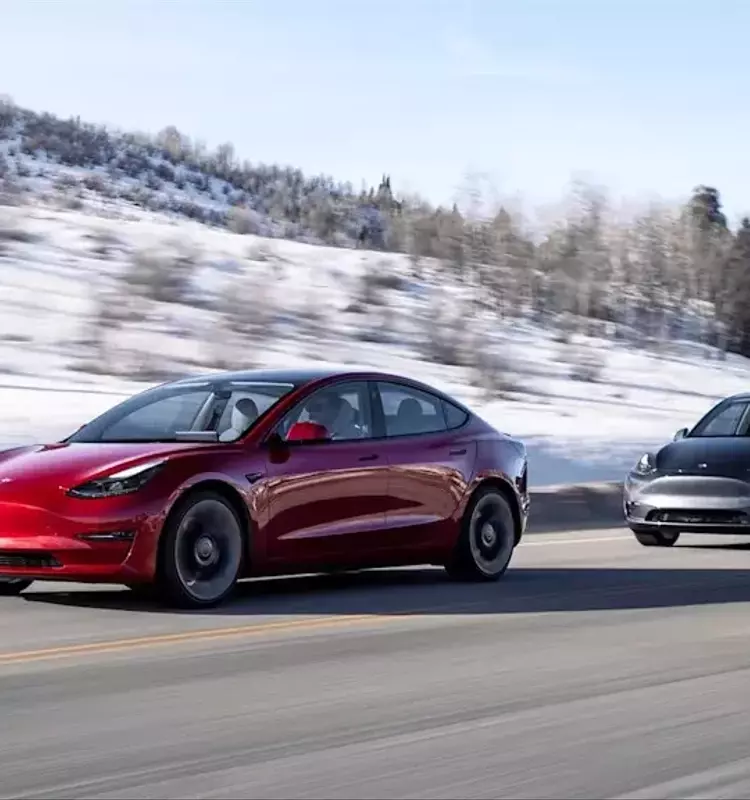
BYD's recent introduction of its Blade Battery 2.0 and Flash Charging technology marks a significant milestone in electric vehicle (EV) development. This innovative system boasts the capability to recharge a compatible EV's battery from 10% to 70% in approximately five minutes, and from 20% to 97% in around 12 minutes. Such rapid charging speeds could revolutionize the EV landscape, addressing a key concern for many potential EV owners: the time spent waiting for their vehicles to power up. This development inevitably prompts a reevaluation of the competitive dynamics between major EV players like BYD and Tesla, particularly concerning battery technology and market strategy.
The rivalry between BYD and Tesla, while not direct in certain markets like the U.S. due to tariff policies, is intensifying in other global regions. Both companies are heavily invested in advancing battery technology, albeit with different approaches. Tesla, a prominent American automaker, integrates its proprietary 4680 battery cells with those sourced from external manufacturers. In contrast, BYD, a Chinese automotive giant, adopts a fully vertical integration strategy, utilizing only its own self-developed batteries in its vehicles. Tesla's 4680 cells are known for their reliability and extended range, yet their charging duration, typically 20 to 25 minutes for a substantial charge, lags behind BYD's new flash charging system.
This disparity in charging speeds presents a crucial question for consumers: Will they prioritize longer range with slower charging, or faster charging times with potentially shorter ranges? The preference for quick service, particularly evident in markets like the United States, suggests a strong inclination towards the latter. Therefore, BYD's Blade Battery 2.0 could pose a notable challenge to Tesla's existing battery development efforts. However, Tesla's adaptable strategy, which includes incorporating components from various suppliers, could allow it to integrate advanced battery technologies should they prove superior, potentially offsetting any competitive disadvantages in battery performance.
Beyond technological specifications, BYD's new charging breakthrough significantly bolsters its market reputation as an innovator in the EV sector. This enhanced image, combined with its competitive pricing strategies in shared markets, could allow BYD to gain a larger share of the EV market at Tesla's expense. However, a major hurdle for BYD's global expansion of this technology is the need for extensive charging infrastructure. The company is actively building 1,500-kilowatt charging stations in China to support its flash charging system, but similar infrastructure is scarce in other international markets, requiring substantial time and capital investment.
Considering these factors, current Tesla investors might not need to immediately worry about BYD's battery technology significantly disrupting Tesla's core business in the short term, largely due to infrastructure limitations outside China. Instead, other internal and external pressures facing Tesla, such as its strategic shifts towards more affordable models and the ongoing controversies surrounding its CEO, Elon Musk, might warrant more immediate attention and concern from investors.
The emergence of BYD's rapid charging battery technology highlights the dynamic and competitive nature of the electric vehicle industry. While Tesla continues to be a dominant force, advancements from companies like BYD underscore the continuous innovation driving the sector forward. This constant evolution ensures that both established players and emerging challengers are pushed to innovate, ultimately benefiting consumers with more efficient and convenient EV options.
