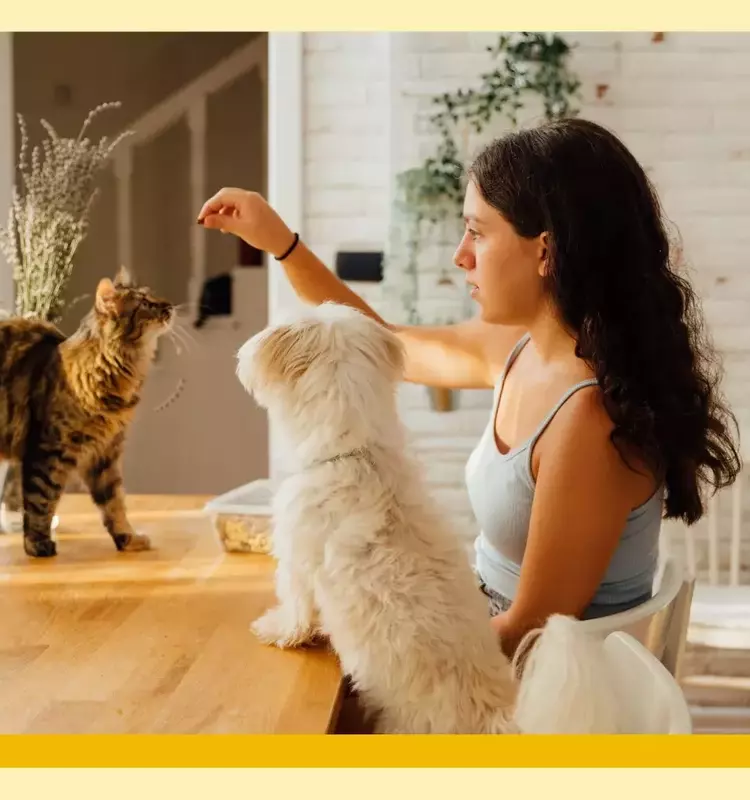
Understanding and adapting parenting styles to a child's developmental stage is crucial. A new theory draws parallels between common pet behaviors and effective parenting, suggesting a dynamic approach. For very young children, an energetic and consistently present "dog-like" style is recommended. As children mature, particularly into their teenage years, a more independent and watchful "cat-like" approach can foster greater autonomy and encourage open communication.
The concept of "cat vs. dog" parenting gained traction through Dr. Aliza Pressman, a prominent developmental psychologist and podcast host. During a 2024 podcast appearance, Dr. Pressman articulated how parents can take cues from their household pets to inform their interactions with their children. She proposes that parents should adopt a "dog" parenting style when children are in their early years. This involves being enthusiastically present, much like a dog that greets its owner with excitement, providing a strong foundation of love and security.
As children enter adolescence, Dr. Pressman advises a shift towards a more "cat-like" approach. This means maintaining a supportive presence without being overly intrusive, akin to a cat that is always nearby but respects personal space. This method allows older children the room to explore their independence while knowing that their parents are available if needed. When a child chooses to open up, the parent's role is to be receptive and non-judgmental, creating a safe space for sharing thoughts and feelings without fear of reprimand.
This evolving parenting strategy is particularly relevant when considering how it aligns with established parenting models. According to Anat Joseph, a psychoanalyst and licensed clinical social worker, the "dog" style resonates with authoritative parenting, which combines high involvement with clear expectations. The "cat" style, on the other hand, echoes aspects of permissive or attachment-based frameworks, promoting independence and self-reliance while still offering a supportive safety net. Devon Kuntzman, a parenting expert, highlights the relatability of using animal metaphors, making these complex parenting concepts accessible and easier for parents to implement in their daily lives.
Ultimately, both "dog" and "cat" parenting prioritize warmth and support. The key differentiation lies in the degree of active involvement versus fostering independence. For young children, especially those under seven, a "dog-like" approach provides the necessary emotional and physical support they rely on. Joseph emphasizes that consistent presence and clear boundaries instill a sense of security in young children, helping them build trust. Conversely, a "cat-like" style for teenagers, who are naturally striving for autonomy, acknowledges their growing need for personal space and encourages them to approach parents on their own terms. This transition is a natural part of a child's journey from dependence to self-sufficiency.
The "cat and dog" parenting framework offers a flexible and intuitive guide for parents navigating the different stages of their children's development. It encourages a continuous adjustment of involvement, ensuring that parental support remains appropriate and effective. While the "cat" style champions independence, it's vital for parents to remain emotionally available. Regularly checking in, showing genuine interest, and affirming children with unconditional love are essential to prevent emotional disconnection. This approach empowers children to grow, explore, and develop their sense of self, while assuring them that their parents are a constant, loving presence in their lives.
