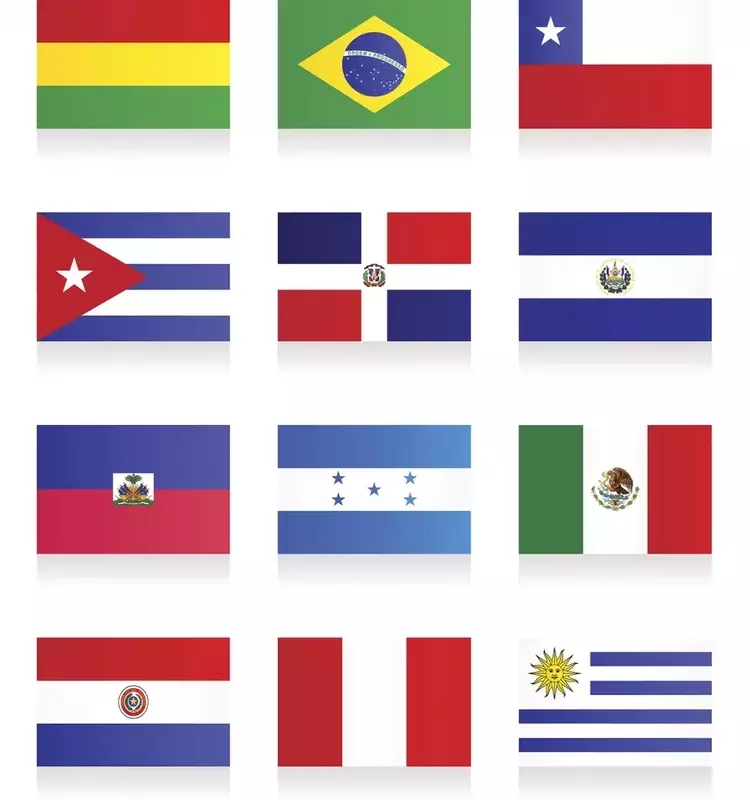
Celebrating Hispanic Heritage Month: Engaging Children in Culture and History
ParentsKids

Celebrating Hispanic Heritage Month: Engaging Children in Culture and History

authorBy Emily Oster
DateSep 15, 2026
Read time3 min

National Hispanic Heritage Month is a period dedicated to acknowledging and celebrating the profound influence and diverse contributions of American citizens tracing their ancestry to Spain, Mexico, the Caribbean, and Central and South America. Much like other cultural observances, this month serves as an educational platform to honor a group that has historically been underrepresented.

The observance of Hispanic Heritage Month is distinct because it spans parts of two calendar months, beginning on September 15 and concluding on October 15. This timing holds historical significance, as September 15 marks the independence days of several Latin American nations. It began as Hispanic Heritage Week in 1968 under President Lyndon B. Johnson, who recognized the importance of paying tribute to Hispanic traditions. Two decades later, in 1988, President Ronald Reagan extended the celebration to a full month, solidifying its place in the national calendar.

This commemorative month carries substantial importance, particularly for the Hispanic community itself. With a significant portion of American children identifying as Hispanic, dedicated representation offers immense psychological benefits. Studies indicate that a lack of diverse representation in media and education can negatively impact identity development. Therefore, a month celebrating Hispanic heritage can boost self-esteem and cultural pride among Latine youth.

Beyond its impact on Hispanic children, this celebration offers broader benefits for all young people. Exposure to different cultures promotes the development of global citizenship. Children who learn about diverse backgrounds tend to develop stronger critical thinking and problem-solving abilities, cultivate empathy, and enhance their communication skills. Furthermore, learning Spanish, a prominent language within Hispanic cultures, has been shown to improve mathematical and problem-solving capabilities in children.

Involving children in Hispanic Heritage Month doesn't require formal lectures; everyday activities provide ample opportunities for cultural immersion. Reading books about influential Hispanic figures, engaging in Spanish language lessons through interactive apps, and watching movies that portray Hispanic culture are excellent ways to introduce children to this rich heritage. Exploring traditional Hispanic dishes, such as those from Mexico or Spain, can also be a fun and delicious educational experience. Additionally, traditional games like lotería, adapted for children, offer an enjoyable way to learn Spanish vocabulary and cultural customs.

This annual observance is a crucial period for acknowledging the vibrant and enduring legacy of Hispanic communities in the United States. By actively participating in and embracing the diverse customs, histories, and achievements of Hispanic cultures, families can foster a deeper sense of understanding, respect, and appreciation among the younger generation, nurturing globally aware and empathetic individuals.

More Articles
ParentsKids
Shaun the Sheep Delivers the Perfect "First Scary Movie" for Families
The new Shaun the Sheep film, "The Beast of Mossy Bottom," masterfully fills a noticeable void in family-friendly Halloween entertainment. This movie is designed to introduce children to the "scary movie" genre without overwhelming them, balancing suspense with humor. It offers a unique cinematic experience that appeals to a wide age range, from young kids to adults, making it an ideal addition to annual spooky season traditions.
By Emily OsterSep 14, 2026
ParentsKids
Navigating 'Weaponized Anxiety' in Relationships
This article explores the concept of 'weaponized anxiety,' where individuals unintentionally use their anxiety diagnoses to avoid accountability or control relational dynamics. It distinguishes between genuine anxiety and its problematic deployment, offering insights from couples therapists on how this manifests and strategies for addressing such patterns to foster healthier relationships.
By Dr. Benjamin SpockSep 14, 2026
ParentsKids
Exploring Baby Names Starting with 'F': Origins, Meanings, and Modern Appeal
Choosing the perfect baby name can be both exciting and challenging. If you're considering names that begin with the letter 'F,' you'll find a rich variety spanning Arabic, Irish, Germanic, and Old Norse cultures. Many of these names, like Felipa, have alternative spellings or are variations of names beginning with 'Ph.' While popular choices include Felicity, Felix, Finley, and Flynn, with Freya currently ranking highest, this guide also highlights unique options such as Fabio, Farah, and Fenton, offering a diverse selection for your little one.
By Adele FaberSep 14, 2026
ParentsKids
Effective Strategies for Disciplining Two-Year-Olds
Disciplining a two-year-old can be a significant challenge for many parents, as this age brings unique developmental hurdles. Modern parenting increasingly favors positive discipline methods over punitive ones, recognizing their benefits in fostering emotional regulation, communication skills, and self-esteem in young children. This approach, supported by child development experts and organizations like the American Psychological Association, emphasizes clear boundaries, consistency, empathy, and positive reinforcement to guide toddlers toward appropriate behavior while promoting their healthy cognitive and socioemotional growth.
By Nigel LattaSep 13, 2026
ParentsKids
Nurturing the Grandparent-Grandchild Bond: Strategies for Connection
The bond between grandchildren and grandparents is invaluable, offering children a sense of belonging and support beyond their immediate parents. This article explores effective strategies and engaging activities for grandparents to cultivate strong, loving relationships with their grandchildren, fostering emotional well-being and creating cherished memories, regardless of geographical distance or living arrangements. It emphasizes the importance of active involvement, respect for boundaries, and consistent communication in building a lasting connection.
By Dr. Carlos GonzálezSep 11, 2026