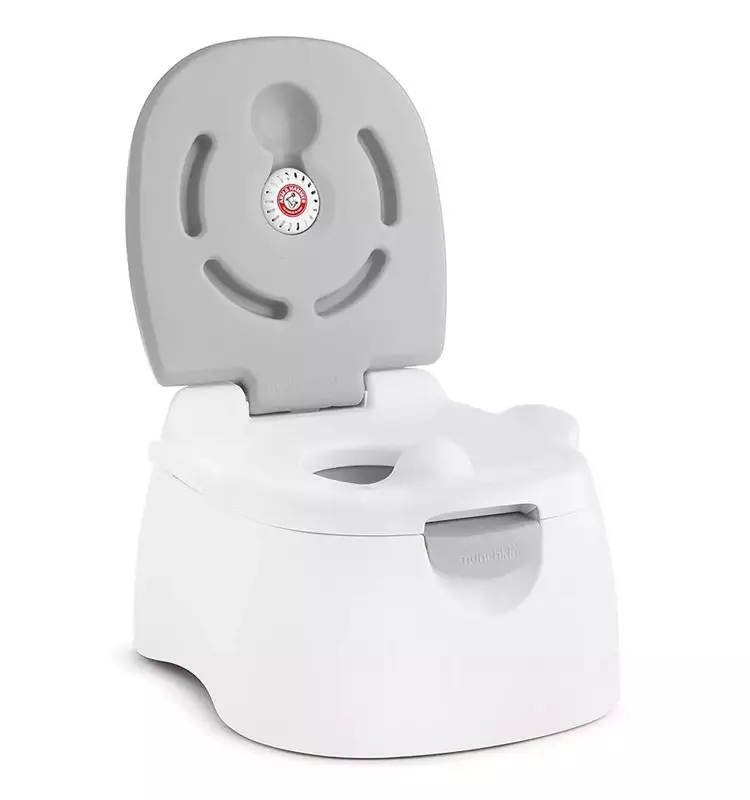
Potty training marks a significant developmental step for children, and navigating this journey can be both exciting and challenging. A well-chosen potty training seat is key to making the process smoother for toddlers and less overwhelming for parents. Drawing on comprehensive testing and insights from pediatric and child development experts, this guide aims to help families select the ideal potty training solution. We delve into various types of seats, examining their stability, design, cleaning ease, and child appeal to foster a positive and effective training experience.
The selection of a suitable potty training seat is paramount to a successful and stress-free experience. Thorough evaluation of numerous top-rated models has identified key features that contribute to effectiveness and user satisfaction. From versatile multi-stage designs to specialized travel options, each product is assessed for its ability to provide comfort, security, and convenience, supported by real-world feedback from parents who have navigated this milestone with their own children.
Selecting the Ideal Potty Training Seat
Choosing the perfect potty training seat involves considering factors like versatility, comfort, and ease of maintenance, all crucial for a positive transition for young children. Our in-depth analysis and expert consultations highlight several top contenders across different categories, ensuring there's an option to suit every child's needs and every family's lifestyle. These highly-rated seats are designed to support children through various stages of development, encouraging independence and confidence during this important phase.
When searching for a potty training seat, several types stand out, each offering unique benefits tailored to specific needs. Three-in-one seats evolve from a standalone potty to a toilet trainer and step stool, making them a long-term investment. Dedicated training chairs provide a comfortable, low-to-the-ground option that young children can easily access. Built-in seats integrate seamlessly into existing toilets, saving space and offering a familiar setup. For families on the go, travel seats offer portability and hygiene, ensuring continuity in training regardless of location. Each type addresses different aspects of the potty training journey, emphasizing stability, ease of cleaning, and designs that appeal to children.
Key Attributes for Potty Training Success
Successful potty training hinges on more than just a seat; it requires patience, encouragement, and a clear understanding of a child's readiness. Experts emphasize creating a supportive environment where children feel secure and motivated. This involves personalized approaches, celebrating small victories, and transforming the training process into an engaging adventure. Ultimately, the goal is to build a child's confidence and foster independence in a gentle and effective manner.
Beyond the physical product, effective potty training strategies involve careful planning and consistent support. Pediatric and child development specialists advise parents to observe signs of readiness, such as prolonged dryness and the ability to follow simple instructions, before initiating training. Involving children in choosing their potty seat gives them a sense of ownership, while ensuring their comfort and stability on the seat is crucial. Maintaining a patient attitude and viewing accidents as learning opportunities are essential, as is offering positive reinforcement through rewards and praise. These combined efforts create an environment where children can thrive and successfully achieve this significant developmental milestone.
