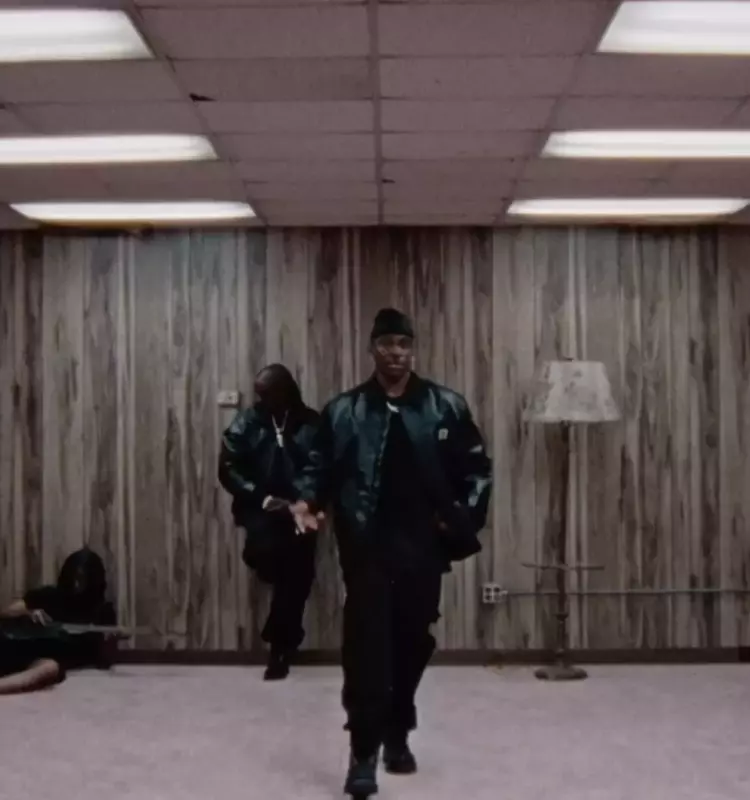
The acclaimed hip-hop pair, Clipse, recently unveiled an engaging and thought-provoking music video for their track “Chains & Whips,” which spotlights a compelling contribution from Kendrick Lamar. This visual creation, a highlight from their highly anticipated new album “Let God Sort Em Out,” marks their first full-length release in over ten years. The album’s journey to listeners was not without its challenges, notably encountering disputes with Universal Music Group over a specific lyric by Lamar, ultimately leading to Clipse's independent release of the project.
Directed by Gabriel Moses, the video employs a distinct aesthetic that interweaves warped, ethereal visuals with candid portrayals of mundane existence. This stylistic choice evokes a sense of unease and introspection, showcasing narratives of societal challenges and institutional confinement, thereby adding profound depth to the song's thematic elements. The duo, Pusha T and Malice, make appearances in the video, which also features an unexpected acapella tribute to their earlier hit, “Grindin’,” enhancing its nostalgic appeal. The album itself, a collaboration with long-time producer Pharrell Williams, enriches its soundscape with guest appearances from a diverse array of musical talents.
A Visual Tapestry of Reality and Distortion
The latest music video from Clipse for "Chains & Whips," featuring Kendrick Lamar, offers a profound cinematic experience that delves into the intersection of distorted perceptions and harsh realities. Directed by Gabriel Moses, the visual narrative masterfully employs surreal effects, transforming commonplace scenes into something uncanny and deeply introspective. This artistic approach not only captivates the viewer but also underscores the song's complex themes, forcing a reconsideration of everyday life through an altered lens. The video's ability to juxtapose these distorted moments with stark, unfiltered glimpses of societal struggles, including interactions with law enforcement and scenes within correctional facilities, creates a powerful and memorable commentary on the human condition.
Moses's direction in the "Chains & Whips" video is notable for its deliberate use of stretched-out effects and other visual distortions, which imbue the mundane with a sense of the bizarre. This technique is not merely for aesthetic appeal but serves to amplify the narrative's underlying tension and emotional weight. For instance, the transition from visually altered scenes to direct, unfiltered depictions of daily life, beauty pageants, and church services, followed by harrowing visuals of men fleeing police and enduring life in prison, highlights the stark contrast between perceived realities and lived experiences. The absence of Kendrick Lamar in the visual, despite his significant vocal contribution, draws further attention to the video's core message, allowing the powerful imagery and the presence of Pusha T and Malice to carry the story. Furthermore, the video's poignant conclusion, featuring an impromptu acapella rendition of Clipse’s classic "Grindin’" by two women, acts as a reflective and culturally resonant coda, linking their past achievements with their current artistic endeavors.
Navigating Industry Hurdles and Artistic Independence
The release of Clipse’s album, "Let God Sort Em Out," and its lead track "Chains & Whips" was not without its share of behind-the-scenes complexities, particularly concerning Universal Music Group’s initial reservations. The controversy stemmed from a specific lyric delivered by Kendrick Lamar, which, although not directly referencing Drake, was deemed potentially problematic by UMG’s lyric review department in light of ongoing legal disputes involving Drake. This situation underscored the delicate balance between artistic expression and corporate interests, ultimately challenging Clipse to assert their creative autonomy in the face of industry pressures. Their decision to navigate this hurdle by negotiating an early release from Def Jam Recordings, a UMG subsidiary, and subsequently partnering with Jay-Z’s Roc Nation for distribution, exemplifies a powerful stand for artistic independence.
This strategic move allowed Clipse to retain full control over their work, bypassing potential censorship and ensuring that their artistic vision, including Kendrick Lamar's unedited contribution, reached their audience intact. The album's journey from conception to independent distribution through Roc Nation showcases a significant moment of self-determination in the music industry. Produced by their long-standing collaborator Pharrell Williams, "Let God Sort Em Out" also features a robust roster of guest artists, including John Legend and Nas, whose contributions further enrich the album’s sonic landscape. The success of this independent release, following more than a decade since their last album, "Til the Casket Drops" in 2009, not only solidifies Clipse's enduring relevance but also establishes a precedent for artists seeking greater creative freedom outside traditional record label constraints. As Clipse prepares to embark on their North American tour, the narrative of their artistic resilience and independence will undoubtedly resonate with fans and aspiring musicians alike.