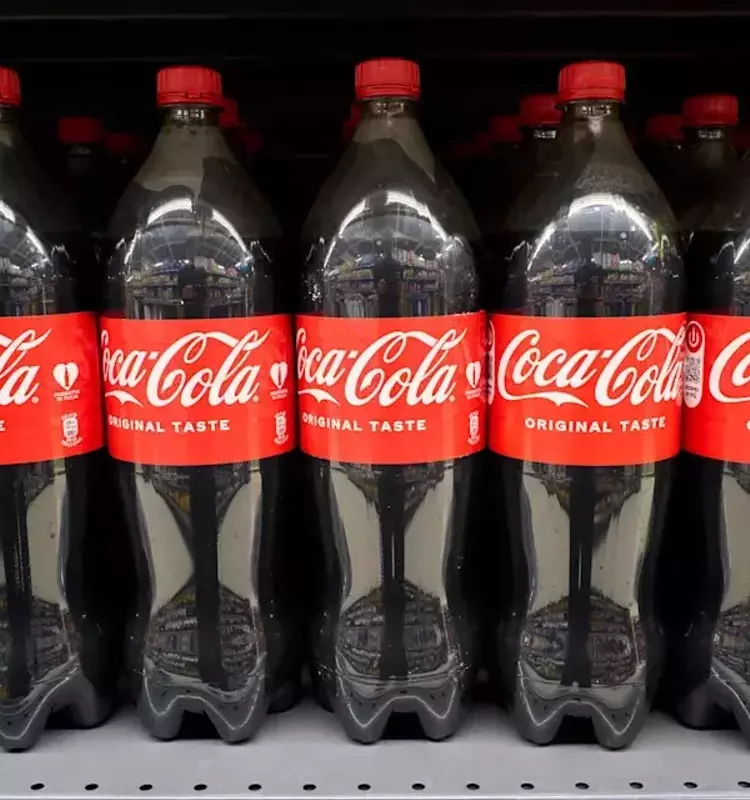
Coca-Cola, a brand recognized globally for its enduring visual elements, has recently embarked on a comprehensive revamp of its worldwide visual identity. This strategic initiative is far more than a simple aesthetic update; it integrates advanced artificial intelligence to streamline brand consistency across its vast global footprint. The underlying objective is to enhance marketing efficiency and ensure a cohesive brand presence in over 200 markets, reflecting a forward-thinking approach to brand management in the digital age.
The company's long-standing visual components, such as the distinctive Spencerian script, the fluid Dynamic Ribbon, and the signature red hue, have been meticulously refined rather than replaced. Collaborating with design firm Jones Knowles Ritchie, Coca-Cola has sharpened these elements to ensure they maintain clarity and impact across all consumer touchpoints. This meticulous attention to detail underscores the brand's commitment to evolving while preserving its celebrated heritage. Arnab Roy, president of Coca-Cola's global category unit, emphasized the responsibility that comes with managing one of the world's most recognized brands, highlighting the continuous need for evolution.
Beyond the visible design enhancements, a more profound transformation is underway with the introduction of a new global Brand Center and a Design Intelligence tool. These integrated systems are designed to function as a universal design framework for both internal teams and external agency partners, guaranteeing unparalleled consistency on a global scale. This sophisticated infrastructure ensures that brand assets are managed and deployed with precision, reinforcing Coca-Cola's image worldwide.
A pivotal aspect of this strategic overhaul is the collaboration with Adobe on Project Fizzion, initially piloted in May 2025 and now fully implemented as Design Intelligence. This AI-driven system translates brand guidelines into 'intelligent, adaptive assets,' dramatically accelerating content production by up to ten times. By encoding design decisions into a machine-readable 'StyleID,' Fizzion automatically applies brand rules across various formats and markets, ensuring brand fidelity and operational efficiency. This technological integration is a critical step in making Coca-Cola's valuable brand assets machine-readable, providing a competitive edge in a rapidly evolving market.
This brand refresh is expected to have a tangible impact on Coca-Cola's financial performance. Analysis of advertising expenditures versus net operating revenues indicates that marketing costs have been rising faster than revenue growth. The new design system, by enabling localized content generation without constant re-briefing, directly addresses this disparity. For investors, particularly those in dividend portfolios or S&P 500 funds, this efficiency gain is significant, as reduced production costs mean more capital is retained, potentially safeguarding dividend payouts. The refresh, therefore, is not merely a superficial change but a strategic investment in cost optimization and long-term brand sustainability.
The timing of this announcement, just ahead of Coca-Cola's second-quarter earnings report on July 28, further highlights its strategic importance. While analysts anticipate solid results with projected earnings per share near 92 cents and revenue around $13.1 billion, the true impact of this initiative will likely manifest in the company's selling, general, and administrative expenses. This rebranding represents Coca-Cola's proactive effort to leverage AI to enhance its brand legibility and operational efficiency before its competitors, signifying a shift in how the company manages its iconic image and its financial health. The familiar red can on the shelf may appear largely unchanged, but the sophisticated system behind its consistent presentation has been profoundly transformed.
