Combatting Bullying: A Battle for Indiana's Youth
ParentsKids

Combatting Bullying: A Battle for Indiana's Youth

authorBy Dr. Carlos González
DateMay 19, 2025
Read time2 min

Bullying in Indiana schools has escalated, with alarming statistics revealing a significant rise in incidents since 2021. Despite state-mandated anti-bullying programs and efforts to educate students on the matter, numerous cases go unreported due to flawed systems and definitions of bullying. This issue not only affects students' physical well-being but also their emotional health, leading some to severe self-harm or even suicide.

Schools across Indiana struggle with accurately reporting bullying incidents, as demonstrated by discrepancies in official statistics. Experts argue that current policies fail to adequately address the problem, leaving many victims without proper support. The situation demands immediate attention and reform to protect children from enduring long-term consequences.

Underreported Incidents and Flawed Systems

The underreporting of bullying incidents stems from systemic issues within Indiana's education system. Many schools do not adhere strictly to reporting guidelines, resulting in incomplete data. For instance, several Monroe County schools were absent from recent state reports, citing 'mechanism errors.' Such inaccuracies hinder understanding the true extent of bullying.

Experts emphasize the need for revising the definition of bullying to include single-instance occurrences rather than requiring repeated acts. Current regulations stipulate that incidents must happen more than once to qualify as bullying, which critics argue undermines the severity of individual events. Efforts like Representative Vernon Smith's proposed bill aimed at broadening this definition have stalled, highlighting legislative challenges in addressing the issue effectively. Furthermore, social media exacerbates bullying outside school premises, complicating prevention strategies.

Personal Stories: Impact Beyond Numbers

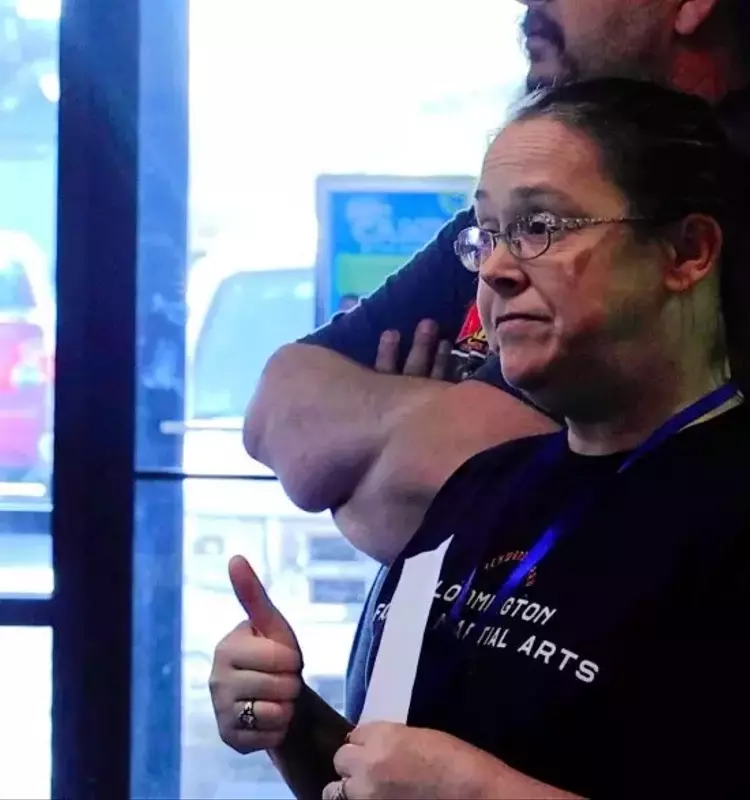
Behind the statistics lie personal stories of suffering and resilience. Skyler Wampler, an Owen County student, turned to taekwondo after years of bullying left him physically scarred and emotionally drained. His journey exemplifies how martial arts can boost confidence and provide coping mechanisms against harassment. Similarly, Mickey Anderson endured prolonged bullying due to his identity as a transgender male, resorting to self-harm as a desperate response to relentless torment.

These narratives underscore the profound impact bullying has on mental health, often leading to conditions such as depression and anxiety. Victims may withdraw socially, impacting their academic performance and overall quality of life. Parents frequently express frustration over inadequate responses from educational institutions, feeling powerless to shield their children. Advocates stress the importance of comprehensive approaches involving both preventive measures and robust support systems for affected individuals.

More Articles
ParentsKids
Unlock a World of Language Learning for Students and Kids with Rosetta Stone
By Jessica LaheyMay 27, 2025
ParentsKids
Climate Change Amplifies Mosquito-Borne Diseases
Rising global temperatures and shifting weather patterns are creating ideal conditions for mosquitoes to thrive, spreading diseases like West Nile Virus, dengue fever, and Zika to new regions. Despite common misconceptions, mosquito-borne illnesses are not confined to tropical climates, with cases reported in nearly every U.S. state. Dr. Desiree LaBeaud from Stanford University highlights that as climates warm, certain mosquito species become more efficient at spreading diseases. A small amount of standing water can serve as a breeding ground, posing health risks. To protect against mosquito-borne illnesses, experts recommend draining standing water weekly, using EPA-approved insect repellents with 20-30% DEET, wearing protective clothing, and contacting local authorities if dead birds are noticed. Symptoms such as high fever, rash, or joint pain after a bite warrant immediate medical attention. There are approximately 3,700 mosquito species globally, underscoring the complexity of addressing this growing public health concern.
By Adele FaberMay 20, 2025
ParentsKids
Free PFAS Blood Testing Proposed for Impacted Michigan Communities
Michigan lawmakers Sen. Mark Huizenga (R) and Rep. Julie Rogers (D) have introduced bipartisan legislation to offer free PFAS blood testing for children under 11 years old by January 1, 2012, residing in Kent, Ottawa, or Kalamazoo counties, where water supplies exceeded state PFAS limits. This initiative aims to provide affected families with peace of mind and critical health information. Eligible families will receive free testing, counseling, and further resources if needed. Healthcare providers can inform families about the program and order tests with parental consent, addressing ongoing concerns from PFAS contamination sites like Kalamazoo County. The effort underscores a commitment to protecting children's health through awareness and proactive measures.
By Dr. Benjamin SpockMay 20, 2025
ParentsKids
Tragic Child Neglect Cases Spark Reflection on Societal Responsibility
The article discusses two tragic cases of child neglect in metro Detroit last winter, highlighting societal failures in protecting vulnerable children. In one incident, two children died from carbon monoxide poisoning while living in a van with their family after being evicted. The father reportedly did not support his children despite being asked. In another case, three children were found living in squalid conditions in Pontiac since 2020, allegedly abandoned by their mother. These incidents raise questions about community and systemic responsibilities in preventing such tragedies and ensuring children's welfare. The author calls for collective action and reflection on providing better care and support for children in need.
By Adele FaberMay 20, 2025
ParentsKids
EU Mulls Unified Digital Age Restriction for Minors
A document obtained by POLITICO reveals that countries are urging Brussels to set an EU-wide age of digital adulthood, requiring parental consent for minors to access social media platforms like TikTok, Instagram, and Snapchat. This proposal will be discussed by EU digital ministers in early June, with Denmark prioritizing child online protection during its upcoming EU presidency. Danish officials, including Prime Minister Mette Frederiksen, support banning social media use for those under 15. The initiative reflects growing dissatisfaction among European capitals with the slow pace of Brussels' regulatory actions and emphasizes the need for collective European measures to protect children from online risks. French President Emmanuel Macron has championed this cause over the past year, advocating for a "digital majority" at age 15.
By Nigel LattaMay 19, 2025