Commodity Market Trends Amid Geopolitical Tensions and Supply Shifts
Finance

Commodity Market Trends Amid Geopolitical Tensions and Supply Shifts

authorBy Robert Kiyosaki
DateAug 19, 2026
Read time2 min

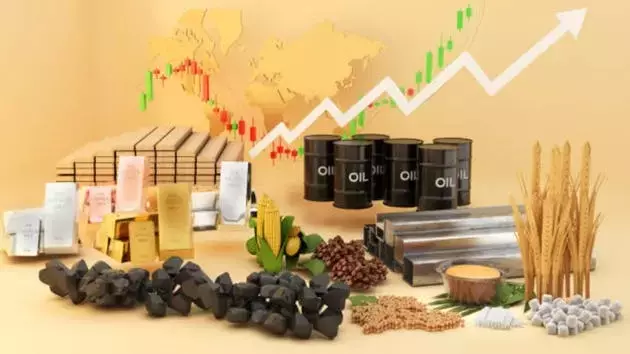
Global commodity markets are currently navigating a complex landscape shaped by geopolitical tensions and fluctuating supply-demand dynamics. Oil prices are consistently rising due to ongoing uncertainties, indicating heightened risk premiums. Meanwhile, copper experienced a notable downturn, triggered by an increase in warehouse inventories, which alleviated previous supply shortages. Simultaneously, sugar markets witnessed a significant surge, reaching levels not seen in years, reflecting distinct movements across different sectors of the commodity landscape.

In the oil sector, a fourth consecutive session of price increases underscores the market's sensitivity to geopolitical events. The lingering standoff between the US and Iran, particularly concerning shipping routes, continues to fuel investor caution and push up risk premiums. This sustained upward trend suggests that market participants are factoring in potential disruptions to oil supplies, leading to higher valuations. The dynamic interplay between political tensions and energy security remains a critical driver for crude oil prices, reflecting broader geopolitical instability.

Conversely, the copper market has shown a distinct pattern. Prices for LME copper experienced their sharpest fall since July, dropping below $14,000 per ton. This decline was primarily attributed to a significant increase in deliveries to LME warehouses. The sudden influx of supply effectively eased a prolonged period of tightness, leading to a rapid price correction. This development highlights the importance of inventory levels and immediate supply availability in influencing metal prices, as market sentiment can shift swiftly with changes in physical stock.

Adding another layer of complexity to the commodity landscape, sugar prices have demonstrated robust growth. The ICE No.11 raw sugar contract surged by nearly 3.6%, marking its strongest level since May 2025. This rally, extending for a second consecutive session, points to strong demand or concerns about future supply. Such significant movements in agricultural commodities are often influenced by weather patterns, crop yields, and global consumption trends, indicating a bullish outlook for sugar in the near term.

These divergent trends across oil, copper, and sugar markets emphasize the varied influences shaping commodity prices. Geopolitical risks are elevating oil, while shifts in physical supply are reshaping copper valuations, and fundamental demand-supply balances are driving sugar's rally. Monitoring these diverse factors is essential for understanding the broader movements within the global commodity sector.

More Articles
Finance
The Evolution of Japan's Equity Market: From Balance Sheets to Earnings Growth
Japanese equities have undergone a significant re-rating, initially driven by improved balance sheets and capital management. The focus is now shifting towards earnings growth, fueled by proactive government policies and corporate reforms. This new phase presents opportunities for investors, particularly in undervalued sectors, as Japan aims for sustainable economic expansion.
By Robert KiyosakiAug 19, 2026
Finance
Market Trends and Portfolio Adjustments in Q2: A Detailed Analysis
This report provides an in-depth review of market dynamics and portfolio strategies during the second quarter. It covers the impact of geopolitical tensions, particularly those involving Iran, on energy prices and inflation. The analysis also explores the transition in market focus from geopolitical risks to Federal Reserve policy and outlines specific adjustments made to portfolio duration and asset allocation to navigate these changes effectively.
By Fareed ZakariaAug 19, 2026
Finance
The Philadelphia Fed Survey: Gauging Regional Manufacturing Health
The Philadelphia Fed Survey, officially known as the Manufacturing Business Outlook Survey, is a monthly report assessing the manufacturing sector's vitality in the Third Federal Reserve District. Since 1968, it has provided crucial insights into economic conditions by surveying manufacturing executives on key metrics like employment, new orders, and prices, offering short-term forecasts and broader economic indicators for the nation.
By Mariana MazzucatoAug 19, 2026
Finance
Globus Medical (GMED): Investment Outlook and Growth Prospects
Globus Medical is positioned as a buy with a 17.5% return target over four quarters, based on a stable 10.56x EV/EBITDA multiple. The company's core business demonstrates robust growth, particularly in international markets, which are expanding six times faster than domestic sales. Despite the integration of Nevro posing a temporary drag, strategic improvements in operating margin and revenue diversification underline a positive investment thesis, though risks like conservative guidance and tax rate normalization warrant consideration.
By David RubensteinAug 19, 2026
Finance
Rethinking Portfolio Strategies in a Shifting Economic Landscape
In today's economic climate, traditional investment strategies like the 60/40 portfolio are no longer viable. Bonds, once a reliable hedge, have lost their effectiveness due to inflationary pressures and government intervention. This analysis explores alternative assets such as short-duration cash, gold, commodities, and energy equities, which offer enhanced diversification and inflation protection. Equity ownership remains crucial to counter debasement risks.
By Lisa JingAug 19, 2026