Community Initiative Provides Therapeutic Toys for Children in Need
ParentsKids

Community Initiative Provides Therapeutic Toys for Children in Need

authorBy Emily Oster
DateMay 27, 2025
Read time2 min

In Georgetown, Kentucky, a heartwarming initiative has emerged to support families facing the financial strain of pediatric therapy. Emily Hinkle and Todd Adams, parents of Caroline, a child with cerebral palsy, have collaborated with Marshall Pediatric Therapy to create an accessible resource for therapeutic toys. These tools are crucial for both clinic sessions and home-based practice but often come with a hefty price tag. Through their efforts, they aim to ensure that no family is left behind due to financial limitations.

A Corner Filled with Hope: Caroline's Contribution to Pediatric Therapy

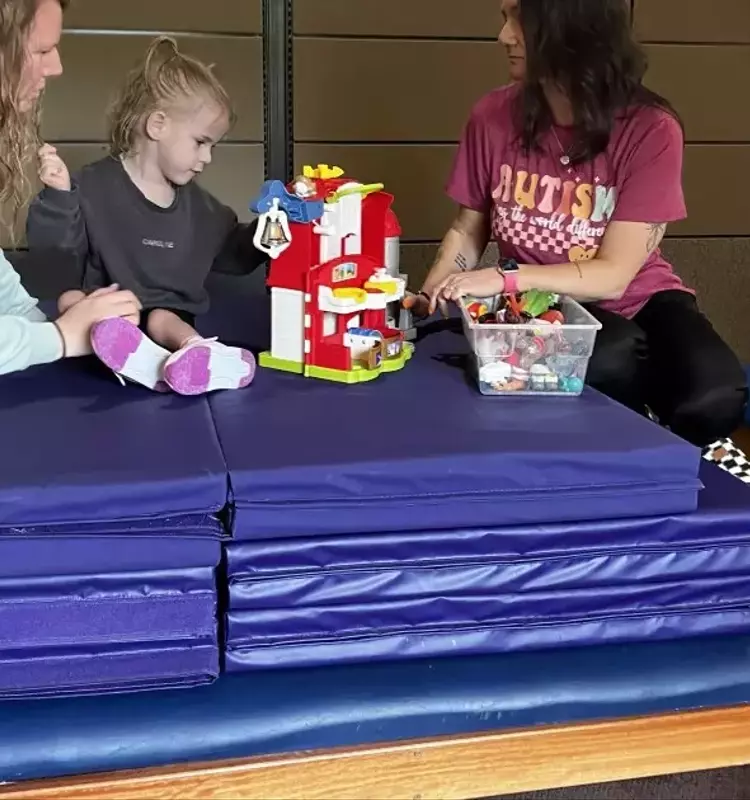
During the golden hues of autumn in Georgetown, Kentucky, a story of compassion unfolds at Marshall Pediatric Therapy. For years, Caroline, a young girl with cerebral palsy, has been receiving care here. Her journey involves not only dedicated professionals like Heather Anderson, a physical therapist assistant, but also specially selected toys that serve as motivational tools during therapy sessions. These toys, though similar to those found in stores, are chosen for their unique ability to blend fun with functionality, making therapy less daunting for children.

Recognizing the financial challenges many families face, Beth Blankenship, a speech therapist and manager at the Scott County clinic, noted the disparity. Inspired by this need, Hinkle and Adams organized a fundraiser in March, selling green shirts emblazoned with “I wear green for Caroline.” The proceeds were used to purchase educational and therapeutic toys, which are now housed in bins named Caroline’s Corner at each of the four Marshall Pediatric Therapy locations.

This initiative underscores the importance of continuous support beyond clinical settings. By providing these essential tools, families can seamlessly integrate therapy into their daily routines, fostering development and progress.

Caroline’s Closet exemplifies how community-driven efforts can significantly impact lives. It highlights the necessity of accessible resources for all families navigating pediatric therapy. This project serves as a reminder that small gestures, such as donating or purchasing items from their Amazon Wishlist, can collectively make a substantial difference. As we reflect on this story, it inspires us to consider our roles in supporting others within our communities, promoting inclusivity and equality in healthcare access.

More Articles
ParentsKids
Gulf Coast Community Steps Up to Ensure No Child Goes Hungry
Feeding the Gulf Coast, in collaboration with community partners and No Kid Hungry, ensures food security for children during school breaks. Recognizing that many children miss essential meals when school is out, this initiative provides groceries and meals to those in need throughout the year. By maintaining a network of Summer Meals sites, they address childhood hunger effectively. To locate nearby meal sites, residents can click on a provided link and select "Child Meal Site." This effort highlights the importance of community support in combating child hunger along the Gulf Coast region.
By Jessica LaheyMay 27, 2025
ParentsKids
Revamping Immunization Guidelines: A Shift in COVID-19 Vaccine Policy for Specific Groups
Health and Human Services Secretary Robert F. Kennedy Jr. announced the removal of the COVID-19 vaccine from the CDC's immunization schedule for healthy children and pregnant women, potentially impacting medical guidance and insurance coverage. Kennedy, a prominent vaccine skeptic, made this announcement alongside FDA Commissioner Marty Makary and NIH Director Jay Bhattacharya, linking it to former President Trump's health initiatives. The decision leaves unclear what constitutes "healthy," though pregnancy is still considered an underlying condition allowing eligibility for the vaccine under new FDA guidelines. Last week, the FDA restricted future COVID-19 shots to individuals over 65 or with underlying conditions. Kennedy’s views on vaccines often contradict mainstream scientific consensus, and his advocacy group, Children’s Health Defense, has pushed for changes in vaccine schedules, despite studies disproving links between vaccines and chronic diseases in children.
By Cathy GlassMay 27, 2025
ParentsKids
Unveiling the Impact of Strangers' Comments on Children's Self-Esteem
In a TikTok post, Jasmine Giachetti asked parents to share the most inappropriate comments strangers made about their children's appearances, receiving numerous shocking responses. Comments ranged from insensitive remarks about alopecia, autism, and special needs to bizarre suggestions like putting a 2-month-old on a diet. Giachetti herself has not faced such rude comments but addressed a relative’s outdated nickname for her daughter. Family doctor Deborah Gilboa advises parents to respond assertively yet kindly to such remarks, using phrases that halt hurtful conversations without engaging in debates. She emphasizes teaching children to reframe offensive comments as reflections of the speaker rather than personal critiques, fostering resilience and self-worth.
By Adele FaberMay 27, 2025
ParentsKids
Guidelines for Ensuring Child Safety When Left Alone at Home
In Ohio, there is no specific legal age requirement for leaving children home alone, unlike some states such as Illinois (minimum age 14) and Maryland, North Carolina (both age 8). The Ohio Department of Children and Youth advises that the decision should be based on the child's maturity and ability to make safe decisions, with a general recommendation from The National SAFEKIDS Campaign not to leave children under 12 unsupervised. Ohio does have laws regarding child abandonment if parents neglect communication or care for over 90 days. To ensure safety, parents are encouraged to communicate openly with their children, create a safety plan, establish a schedule, and prepare easy meals and snacks. It’s ultimately up to the parents to assess their child's readiness for staying home alone.
By Cathy GlassMay 27, 2025
ParentsKids
Revolutionizing Education: AI-Driven Learning Tools for the Future
In the era of artificial intelligence, parenting and education face new challenges. AI's integration into daily life necessitates that today's students become adept at interacting with this technology. The NoRilla project, based in Pittsburgh, exemplifies this approach by combining AI with hands-on learning to enhance STEM education. Developed by Nesra Yannier, NoRilla uses an animated gorilla character to guide children through scientific experiments, providing real-time feedback and fostering curiosity and critical thinking. Initially funded by the Fred Rogers Memorial Scholarship and later expanded through National Science Foundation grants, NoRilla has been implemented in over 35 museums and schools. Research shows significant improvements in student engagement and understanding of scientific principles, as well as enhanced interactions between parents, teachers, and children. This innovative tool supports educators and promotes active learning, preparing students for a tech-driven future while maintaining human interaction.
By Dr. Carlos GonzálezMay 27, 2025