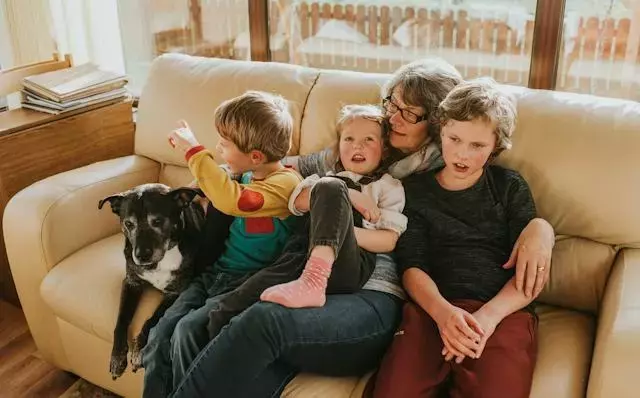
A mother describes the emotional struggle of observing her children's affectionate connection with their grandmother, a bond that brings her both joy and profound unease. She notes the special smiles and unreserved love her children show their grandmother, a stark contrast to her own childhood experiences. Despite actively nurturing this relationship, she often finds herself on the periphery, feeling like an outsider in their shared moments of happiness.
This internal conflict stems from her own difficult past with her mother, who she describes as distant and untruthful during her upbringing. While her basic needs were met, emotional warmth and affirmation were absent. Her mother openly admitted that motherhood was not for her, fostering a sense of inadequacy in the author. Now, she witnesses her mother embrace "grandmotherhood" with enthusiasm, showering her grandchildren with the affection and attention the author longed for, often at the expense of her own maternal narrative. Her children, unaware of the depth of her past hurt, dismiss their grandmother's embellishments as harmless eccentricities, further isolating the author in her feelings.
Ultimately, the author acknowledges a deep-seated longing for the uncomplicated love and acceptance her children receive from their grandmother. She grapples with feelings of jealousy, wishing for a similar golden circle of affection and understanding, free from the shadows of a painful history. This narrative is a heartfelt plea for the kind of effortless connection that her children now experience, a wish for an easier, more harmonious familial bond.
The intricate tapestry of family relationships, woven with threads of personal history and generational experiences, can profoundly shape our perceptions and emotions. While the past may cast long shadows, it also offers opportunities for introspection and growth. By acknowledging our own wounds and striving for empathy, we can cultivate stronger bonds and foster environments where love and understanding flourish, even amidst the complexities of our shared histories.