In the fiercely competitive pharmaceutical landscape, particularly within the burgeoning GLP-1 weight loss drug sector, a compelling argument emerges for investors to favor Novo Nordisk over the current market leader, Eli Lilly. Despite Eli Lilly's impressive success with Mounjaro and Zepbound, a deeper dive into valuation, dividend policies, and strategic product developments reveals a potentially undervalued opportunity in Novo Nordisk, especially for those seeking long-term growth and income.
This contrarian stance highlights that while Eli Lilly enjoys significant market appreciation for its GLP-1 innovations, its stock may be trading at a premium that limits future upside for certain investor profiles. Conversely, Novo Nordisk, often perceived as playing catch-up, presents a more attractive proposition due to its significantly lower price-to-earnings ratio and a robust dividend yield, making it an appealing option for value and dividend-oriented investors looking beyond the immediate market sentiment.
Novo Nordisk's Strategic Advances and Market Position
Novo Nordisk, an early entrant in the GLP-1 drug market, initially faced challenges in meeting the high demand for its product, Wegovy, which allowed competitors to gain ground. This situation enabled other pharmaceutical companies to introduce generic versions in key markets, and Eli Lilly's Mounjaro and Zepbound, demonstrating superior effectiveness, rapidly captured significant market share. For instance, in the first quarter of 2026, Novo Nordisk's obesity care division reported a 22% increase in sales from its Wegovy franchise, starkly contrasting with Eli Lilly's Mounjaro and Zepbound, which saw sales surge by 125% and 80%, respectively, during the same period. This discrepancy underscores the intense competition and dynamic shifts within the weight loss drug segment.
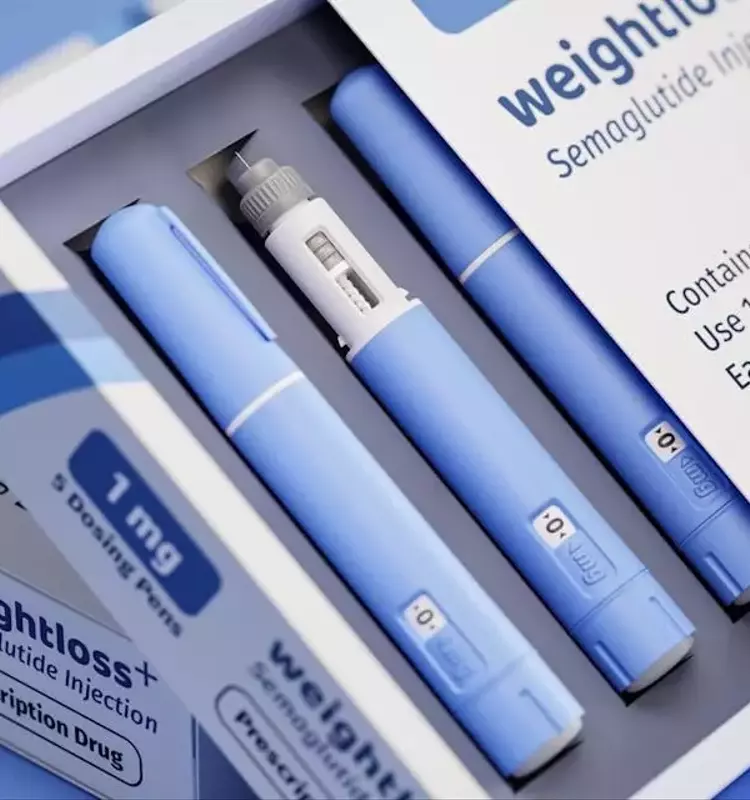
However, Novo Nordisk has demonstrated resilience and strategic innovation with the introduction of its oral Wegovy pill. This new formulation appears to be more potent than Eli Lilly's oral GLP-1 counterpart and is notably attracting a new demographic of patients who prefer pills over injections. This development suggests that while Eli Lilly currently holds a dominant position, it does not possess an insurmountable lead in the GLP-1 market. The pharmaceutical industry remains highly competitive, and Novo Nordisk's innovative pill-based solution indicates that it is very much still a formidable player in the race, actively working to regain and expand its market presence by catering to broader patient preferences.
Investment Appeal: Valuation and Dividend Advantages
Eli Lilly is undeniably a high-performing pharmaceutical enterprise, and there's no inherent reason for current shareholders to divest their holdings. However, the company's stock is widely considered to be trading at a premium valuation. While its price-to-earnings (P/E) ratio of 37x is below its five-year average of approximately 57x, it remains considerably higher than the average P/E of drug stocks, which is just under 24x. Furthermore, Eli Lilly's dividend yield stands at 0.65%, significantly lower than the industry average of about 1.7%, making it less attractive for income-focused investors or those seeking value.
In contrast, Novo Nordisk presents a more compelling investment case for both dividend and value investors. The company boasts a robust dividend yield of 4%, substantially above the market average, and its payout ratio of roughly 40% suggests a sustainable dividend policy. From a valuation perspective, Novo Nordisk's P/E ratio is around 10x, which is not only well below the industry average but also significantly lower than its own five-year average of 27x. While Novo Nordisk anticipates a challenging year in 2026 due to potential price reductions, the company foresees that increased sales volume will offset these pressures in the long term. The early positive reception of the Wegovy pill, especially its success in attracting new patients to the GLP-1 market, reinforces this optimistic outlook. Consequently, for investors with a contrarian mindset, Novo Nordisk offers an attractive combination of undervaluation and a strong dividend, positioning it as a potentially superior investment compared to Eli Lilly.
