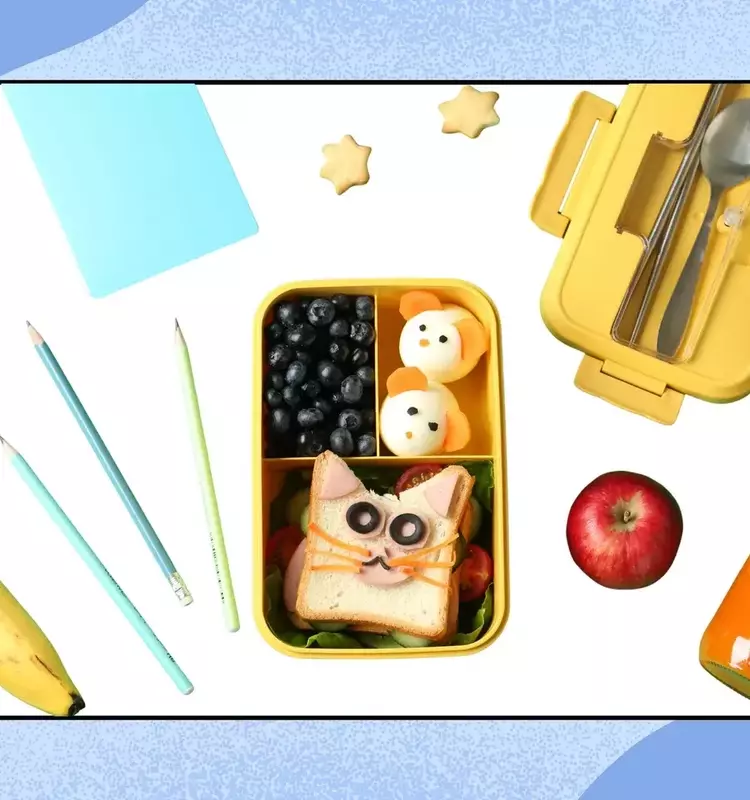
Bento boxes offer an engaging and practical solution for preparing children's lunches, making mealtime more enjoyable. These traditional Japanese containers, with their distinct compartments, allow for the organized separation of various food items based on color, texture, or type. This approach transforms a regular lunch into an appealing and balanced meal. The article delves into how parents can leverage bento boxes to create nutritious and exciting meals for their children, incorporating tips from popular social media figures and nutrition experts, while emphasizing that culinary perfection is not a prerequisite for success.
The concept of bento box lunches has gained significant traction, especially through social media platforms where creators like Jessica Woo (known as @sulheejessica on TikTok) showcase beautifully arranged meals. While these intricate displays might seem daunting, the core idea behind bento boxes is simply to make food appealing and accessible for kids. The compartmentalized design naturally encourages a variety of foods, promoting a balanced diet. Parents can use this method to introduce different food groups, ensuring children receive adequate nutrition through a visually stimulating presentation. The goal is to make lunchtime a delightful experience, fostering healthy eating habits without unnecessary stress.
Choosing the appropriate bento box is the first step. Key factors include size compatibility with a child's backpack and features like insulation, which helps maintain food temperature. For instance, bento boxes with insulated outer bags and ice packs are ideal for keeping cold items fresh. If warm meals are desired, selecting a bento box equipped with a thermos is crucial to prevent leaks and maintain warmth. Beyond the box itself, a range of accessories can further enhance the lunch experience. Items such as chopsticks, small containers for dressings, and decorative food picks add an element of fun and personalization. Silicone baking cups can also be used to create additional subdivisions within the bento box, offering more options for food separation and organization.
When it comes to meal planning, creativity and practicality can go hand-in-hand. Utilizing leftovers is a highly efficient strategy, transforming dinner remnants into exciting lunch components. Deconstructed meals, such as sandwiches or tacos where ingredients are separated, allow children to assemble their food, adding an element of interactive fun. Another popular and effective approach is to create a 'charcuterie board' style lunch, featuring cheese, crackers, fruits, and vegetables. The inherent design of bento boxes simplifies the inclusion of multiple food groups, making it easier to achieve a balanced meal with protein and healthy fats to sustain children throughout the day. The visual separation helps ensure a diverse selection without requiring complex culinary pairings.
Adding thoughtful finishing touches can elevate the bento box experience without demanding elaborate efforts. While social media often portrays picture-perfect bento boxes, it's important to remember that practicality often outweighs artistic flair for busy parents. Simple additions like using cookie cutters to shape food or adding a few sprinkles to plain yogurt can provide a 'wow' factor that excites children. Ultimately, the most effective strategy is to focus on packing foods that children genuinely enjoy. The novelty of eating from a bento box itself can be a significant motivator, making intricate culinary designs optional rather than essential. By prioritizing favorite foods and incorporating small, creative elements, parents can consistently create appealing and nutritious lunches that their kids will happily finish.
