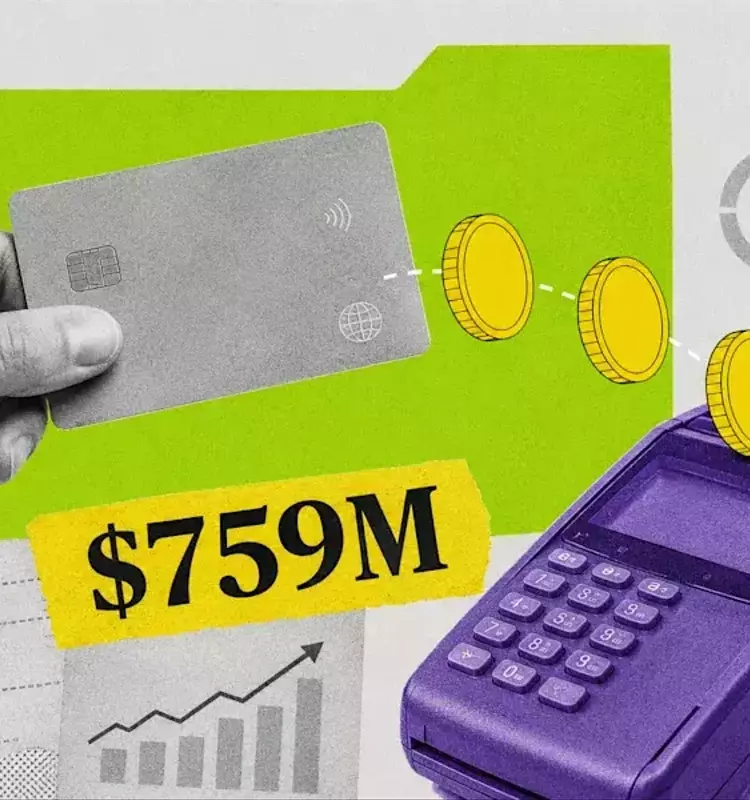
Crypto Card Transactions Surge to Over $750 Million Amidst Stablecoin Dominance, a16z Report Reveals
Unlocking the Power of Digital Currency for Everyday Transactions
Crypto Card Spending Reaches New Heights
The total expenditure through crypto payment cards experienced a remarkable ascent in July, crossing the $750 million mark. This substantial growth represents a 2.5-fold increase compared to the previous year's figures, showcasing a burgeoning adoption of digital assets for routine transactions. This surge signifies a pivotal moment for crypto cards, moving them from a niche product to a more mainstream payment solution.
Millions of Transactions Powering Daily Commerce
During the month of July, consumers engaged in nearly nine million individual purchases using crypto payment cards. This high volume of transactions, coupled with an average transaction value of approximately $86, underscores the practical utility and convenience that these cards offer. They enable individuals to seamlessly integrate their digital holdings into conventional spending habits.
Stablecoins: The Driving Force Behind Crypto Card Adoption
A notable trend within this surge is the overwhelming dominance of dollar-backed stablecoins. USDC and USDT, two prominent stablecoins, collectively facilitated approximately 84% of the tracked spending. This highlights their critical role in providing stability and liquidity, allowing users to spend their digital assets without exposure to the volatility typically associated with other cryptocurrencies. These stablecoins are typically converted to local fiat currency at the point of sale, making the process invisible to merchants.
Empowering the Unbanked and Expanding Financial Access
Crypto cards offer a valuable alternative for individuals who lack access to traditional banking services, particularly in regions where access to established financial products, such as those denominated in US dollars, is limited. Depending on the card provider, users can store stablecoins with a centralized issuer or manage their assets directly through self-custodial wallets, providing flexibility and control over their funds.
Evolving Infrastructure for Scalable Transactions
The technological backbone supporting crypto card transactions has also witnessed significant diversification and advancement. Initially, a large portion of card spending was settled on Gnosis, especially through Gnosis Pay. However, with the introduction of new card products, the activity has spread across various blockchain networks. This diversification ensures greater resilience and capacity to handle the increasing volume of transactions.
Optimism, Solana, and Base Gain Traction
Recent data indicates a shift in the market share of underlying blockchain networks. Optimism now accounts for approximately 29% of crypto card spending, with Solana and Base each processing about 19%. This marks a significant change from earlier in 2024 when Gnosis held a much larger share, now reduced to roughly 2%. This transition reflects the growing preference for scalable networks capable of efficiently handling frequent, smaller consumer transactions, reducing reliance on a single settlement chain.
The Undeniable Reign of Dollar-Backed Stablecoins
The assets utilized for settling card transactions have undergone an even more pronounced transformation. While euro-backed EURe initially held a substantial share in early 2024, its presence has significantly diminished. Currently, dollar-backed stablecoins firmly dominate the market, with USDC accounting for about 58% of spending and USDT's share rising to 26%. This collective 84% dominance underscores the preference for digital dollars in crypto card activity.
Bridging Digital Liquidity with Traditional Payment Systems
The continuous growth in stablecoin usage reflects their expanding function as both a store of dollar-denominated value and a practical means of payment. Crypto cards effectively bridge the on-chain liquidity of these digital assets with established card networks, enabling holders to spend stablecoins effortlessly without requiring merchants to adopt new and unfamiliar payment infrastructures.
