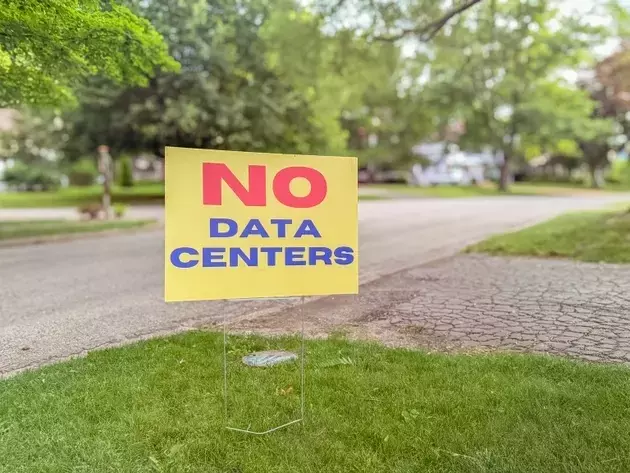
Public sentiment against the construction of new data centers is growing, with a notable increase in opposition among U.S. adults. Contrary to widespread belief, these facilities do not significantly impact electricity rates or water consumption. Data centers contribute positively to local economies through job creation and tax revenues, while also requiring a substantial workforce in specialized trades, mitigating concerns about job losses due to AI.
In recent months, there has been a noticeable shift in public perception regarding the development of new data centers across the United States. A recent survey indicates that a majority of American adults, specifically 61%, now express opposition to the establishment of data centers in their local communities. This represents a substantial 12-point increase in opposition since the spring. This growing resistance suggests a deepening skepticism among the populace regarding the perceived benefits and potential drawbacks of these technological infrastructures.
One of the primary concerns driving this opposition revolves around environmental impact and resource consumption. However, detailed analyses reveal that some common assumptions are largely unfounded. For instance, contrary to the popular narrative, evidence suggests that data centers have not been a contributing factor to rising electricity rates. Furthermore, their water usage is considerably lower when compared to other industrial sectors, challenging the notion that they are major consumers of this vital resource.
Despite public apprehension, data centers are significant drivers of local economic prosperity. These facilities are responsible for creating substantial employment opportunities, with an observed increase of 3.5% in local employment and a 5% rise in wages. A prime example of this economic benefit is seen in Loudoun County, Virginia, which has leveraged data center investments to generate considerable tax revenues and foster robust economic growth. The presence of data centers often attracts other technology-related businesses, further diversifying and strengthening the local economy.
Moreover, fears surrounding job displacement due to artificial intelligence, often linked to the expansion of data centers, appear to be offset by the immediate demand for skilled labor. The extensive buildout required for new data centers necessitates tens of thousands of skilled trade workers in various high-paying roles. This includes electricians, engineers, construction workers, and IT professionals, among others. This demand suggests that, at least in the short to medium term, the growth of data centers will generate, rather than reduce, a significant number of high-quality jobs.
The increasing public opposition to data center construction, despite their economic contributions and minimal environmental impact, highlights a gap in public understanding and communication. Addressing these misconceptions through transparent information and community engagement will be crucial for the continued development of these essential infrastructures. The long-term economic and technological benefits of data centers, including job growth and significant tax revenues, underscore their importance in the evolving digital landscape.
