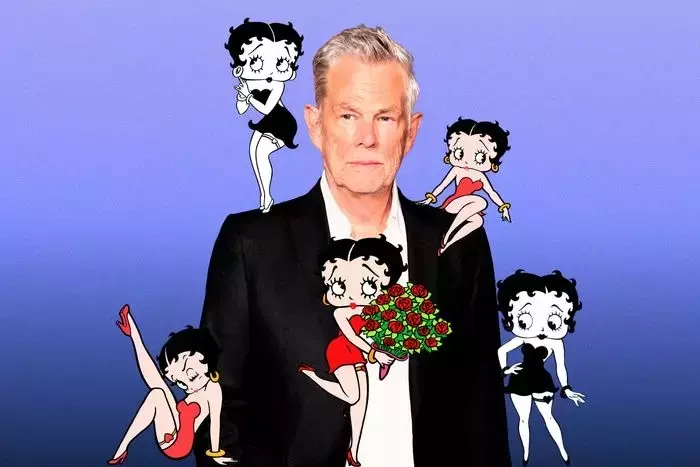
In an unconventional yet fascinating transition, renowned music producer David Foster delves into the world of musical theater with "Boop! The Musical." Known for his collaborations with legendary divas like Whitney Houston and Céline Dion, Foster shares how he adapted to the intricate demands of cartoon-inspired compositions. Drawing on childhood memories and seeking guidance from Broadway legends, Foster created a unique blend of styles that defies time periods. Despite initial challenges in understanding the complexity of cartoon music, Foster embraced new techniques, crafting over 50 songs for the production. The final result is a vibrant and memorable experience, showcasing Foster’s evolution as a composer.
Foster's journey into composing for "Boop!" involved reimagining his creative process. He explored influences ranging from jazz pianists to classic Broadway composers. By collaborating with lyricist Susan Birkenhead and studying original Betty Boop cartoons, Foster learned to adapt his signature style to fit the whimsical world of animation. Key moments in the show reflect Foster’s knack for creating audience-engaging climaxes, reminiscent of his work with pop icons. His willingness to discard cherished pieces underscores his commitment to serving the narrative of the musical, ultimately delivering a fresh and innovative score.
From Pop Icon Collaborations to Cartoon-Inspired Melodies
Transitioning from producing chart-topping hits for global stars, David Foster ventured into uncharted territory by composing for "Boop! The Musical." This shift required him to revisit the rich musical heritage of his youth while incorporating elements of cartoon music. Foster spent considerable time analyzing vintage Betty Boop animations, discovering their complex soundscapes. Although initially perplexed, he found inspiration in childhood memories, particularly his father’s love for stride piano. This nostalgic connection informed his approach, allowing him to seamlessly integrate barroom-style piano into the show’s soundtrack.
The process of adapting to "Boop!" was both challenging and enlightening for Foster. He recounts spending hours immersed in the animated world of Betty Boop, attempting to decipher its unique musical language. Drawing upon his upbringing surrounded by the sounds of the 1930s and 1940s, Foster utilized this knowledge to craft melodies that resonated with the character’s essence. His collaboration with lyricist Susan Birkenhead proved invaluable, providing a framework for translating visual storytelling into auditory experiences. Additionally, Foster sought counsel from Broadway luminaries, enabling him to venture beyond his comfort zone and experiment with more daring arrangements. Through perseverance and openness to learning, Foster transformed his initial uncertainty into a confident embrace of the project’s requirements.
Building a Versatile Score: Influences and Collaborative Insights
To create a versatile score that transcends temporal boundaries, Foster drew inspiration from diverse sources. Jazz greats such as Miles Davis, Bill Evans, and Oscar Peterson significantly influenced his compositions, evident in tracks like "I Speak Jazz" and "My New York." Foster aimed to produce music that could not be easily pegged to a specific era, striving for a timeless quality akin to architectural design. His interactions with contemporary Broadway composers, including Benj Pasek and Justin Paul, further enriched his understanding of modern theatrical music trends. These exchanges helped Foster refine his approach, ensuring "Boop!" would captivate audiences across generations.
A critical aspect of Foster's methodology involved soliciting feedback from esteemed figures within the industry. Renowned composer Stephen Sondheim provided invaluable advice via email correspondence, encouraging Foster to challenge conventional approaches. Similarly, director Jerry Mitchell played an instrumental role in shaping the final product, offering constructive criticism and even contributing rhythmic ideas through scat singing. Foster acknowledges these collaborations as pivotal in honing his skills and developing key songs like "Where Is Betty?" and "A Little Versatility." Each track reflects meticulous attention to detail, featuring dramatic shifts designed to elicit emotional responses from listeners. Moreover, Foster incorporated multiple key changes throughout the score, enhancing the overall excitement and dynamism of performances. By merging personal passions with professional expertise, Foster crafted a groundbreaking soundtrack that honors the legacy of Betty Boop while pushing creative boundaries.
