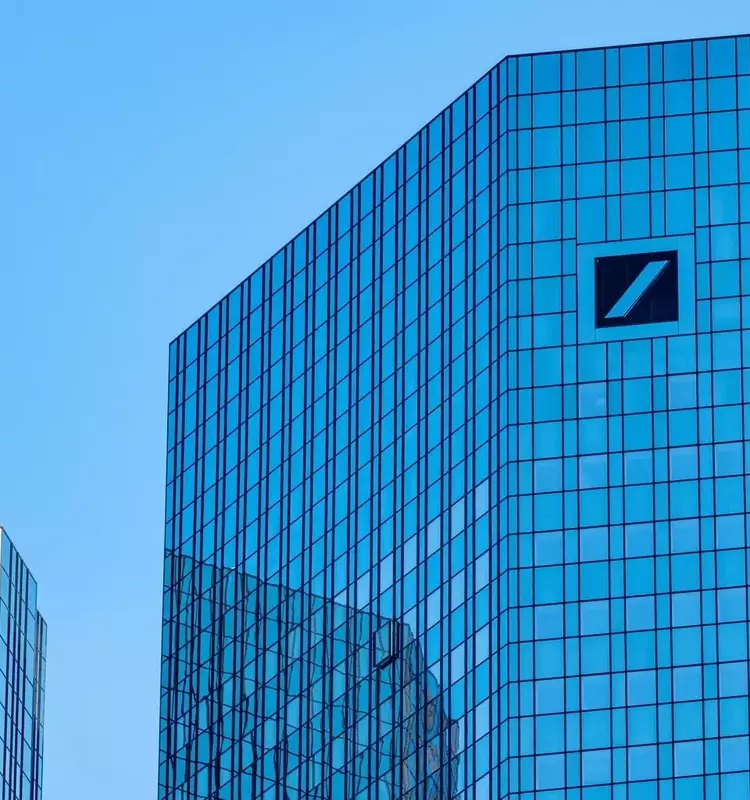
Navigating the Evolving Landscape of European Banking
Deutsche Bank's Transformation: A New Era of Stability and Performance
Deutsche Bank has successfully navigated a period of extensive restructuring, emerging with significantly enhanced financial health and operational efficiency. The bank's renewed focus on core strengths and streamlined operations has led to a more resilient business model, setting a foundation for sustained growth. This strategic overhaul underscores a commitment to long-term stability in the competitive European banking sector.
Key Financial Metrics: Demonstrating Robust Progress
A closer look at Deutsche Bank's recent performance reveals impressive strides. The cost-to-income ratio has notably improved, now standing below 59%, reflecting rigorous cost management and operational optimization. Furthermore, the Return on Tangible Equity (RoTE) has reached an encouraging 12.7%, signaling effective capital utilization and profitability. The bank's Common Equity Tier 1 (CET-1) ratio is nearing 14%, indicating a strong capital buffer and improved solvency.
Evaluating Historical Volatility and Peer Comparisons
Despite these positive developments, Deutsche Bank's history of market volatility and its valuation discount relative to peers cannot be overlooked. These factors necessitate a cautious approach when assessing its investment appeal. Investors must weigh the current improvements against past performance trends and the broader market context to form a balanced perspective on its future trajectory.
Investment Outlook: A Prudent "HOLD" Rating
Given the bank's progress and lingering historical considerations, a conservative valuation framework is appropriate. Applying a 9x price-to-earnings (P/E) multiple, a target price of €26.5 per share is derived. This valuation suggests a "HOLD" rating at current levels, advocating for investors to await a more attractive entry point to maximize potential returns. The current risk-reward profile indicates limited immediate upside, favoring patience in investment decisions.
Strategic Positioning and Future Growth Avenues
Deutsche Bank's strategic repositioning aims to capitalize on key growth areas within the financial industry while maintaining stringent risk management. The ongoing enhancements in its operational framework and capital structure are critical for navigating future economic cycles and leveraging market opportunities. Continued vigilance and adaptive strategies will be vital for sustaining its performance and realizing long-term shareholder value.
