DOL Rule to Ease Alternatives in 401(K)s Draws Over 37,000 Comments
Finance

DOL Rule to Ease Alternatives in 401(K)s Draws Over 37,000 Comments

authorBy Strive Masiyiwa
DateJun 02, 2026
Read time3 min

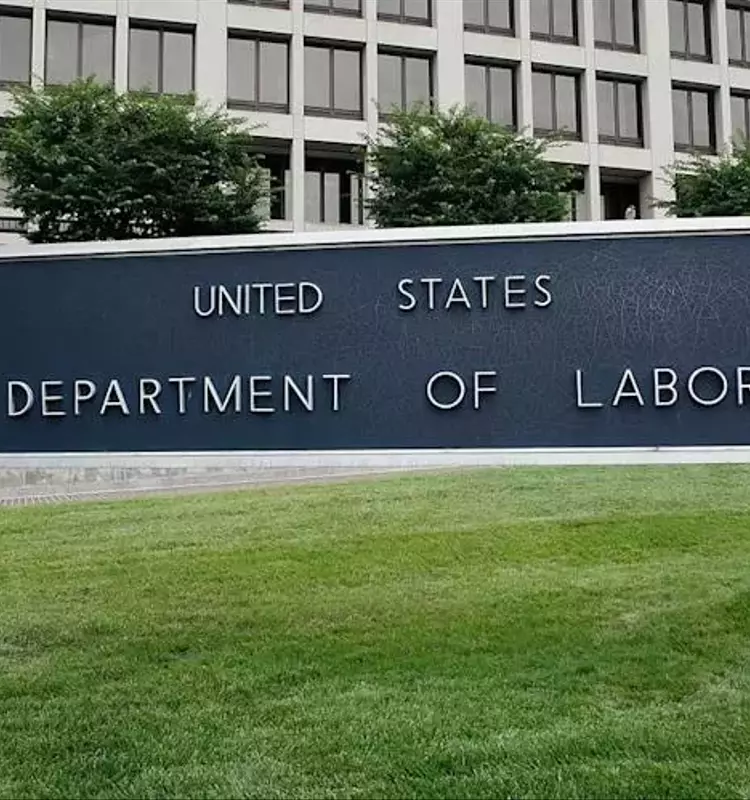
The Department of Labor (DOL) has put forth a new regulation designed to simplify the incorporation of alternative assets within 401(k) retirement accounts. This proposal has sparked extensive public dialogue, attracting more than 37,000 public submissions before its comment period concluded. This initiative, which began under the previous administration, aims to broaden the investment landscape for individuals' retirement savings by allowing assets such as private equity, real estate, and digital currencies. These investments are typically governed by the Employee Retirement Income Security Act (ERISA), which has historically maintained stricter regulations compared to retail investment frameworks and has frequently been subject to class-action lawsuits.

A significant portion of the feedback supports the rule, arguing that it is vital for individual investors to access the same sophisticated investment vehicles that institutional investors, such as pension funds, have long utilized. Conversely, opponents contend that this move primarily benefits alternative investment providers and their associated industries, potentially jeopardizing the retirement nest eggs of millions of Americans rather than genuinely helping them. The proposed rule outlines a six-factor safe harbor framework for selecting such investments, focusing on performance, fees, liquidity, valuation, benchmarking, and overall complexity. Following the review of all comments, the DOL will decide whether to implement a final rule, modify its approach, or withdraw the proposal entirely, with legal challenges anticipated if the rule is finalized.

Both industry advocates and watchdog groups have voiced strong opinions regarding the DOL's proposal. Several asset management organizations have expressed their approval, emphasizing the rule's potential to shield plan fiduciaries from litigation and arguing that current legal frameworks have unduly restricted access to alternative investments. They believe the new rule, if properly clarified, could empower individual investors by shifting investment decision-making more towards them rather than regulators. However, various watchdog organizations and state attorneys general have raised significant concerns. They argue that the rule could diminish fiduciary protections for retirement savers, increase their exposure to risky, volatile assets like cryptocurrency, and potentially lead to substantial financial losses. Critics point to past financial crises and advocate for caution, suggesting that retirement savings should prioritize security and accessibility over potentially higher, but riskier, returns, underscoring the delicate balance between innovation and protection in retirement planning.

This ongoing debate highlights the critical balance between offering diverse investment opportunities and safeguarding the financial future of retirees. A thoughtful and comprehensive approach is essential to ensure that any regulatory changes truly serve the best interests of individual savers, promoting financial stability and growth while mitigating undue risks.

More Articles
Finance
Clover's Growing Impact on Fiserv (FISV): An Investment Firm's Perspective
Mairs & Power Balanced Fund's Q1 2026 investor letter reveals concerns about Fiserv's Clover product, citing decelerating growth. Despite broader market volatility, the fund maintains a constructive long-term outlook, while acknowledging Fiserv is not among its top AI stock picks.
By David RubensteinJun 02, 2026
Finance
American Superconductor's Growth: An AI-Driven Illusion?
American Superconductor (AMSC) has seen its stock price double, fueled by the market's enthusiasm for AI-related power solutions. However, a closer look reveals that much of its revenue growth stems from acquisitions, with core Grid segment expansion remaining in the high single digits. Furthermore, its impressive Wind segment growth is heavily reliant on a single client, Inox. This suggests that the company's current valuation, reflecting expectations of it being a major AI beneficiary, might be premature given the lack of consistent, broad-based acceleration in its underlying business.
By Morgan HouselJun 02, 2026
Finance
Graphene Manufacturing Group Seeks US EPA Approval for Domestic Production
Graphene Manufacturing Group (GMG) has filed an additional application with the US Environmental Protection Agency (EPA) to manufacture and sell graphene-based products in the United States. This move aims to expand GMG's operations beyond simply exporting, allowing for domestic production of its graphene, THERMAL-XR coatings, G LUBRICANT products, and other graphene-based fluids. The company anticipates EPA approval by June 2027, signaling a strategic step towards building a US-based supply chain and serving American customers at scale.
By David RubensteinJun 02, 2026
Finance
Exxon Mobil: Resilience Amidst Geopolitical Shifts and Market Dynamics
Exxon Mobil maintains an attractive valuation despite current geopolitical oil market concerns, notably the situation in Iran. The company's expanding natural gas export capabilities, exemplified by the Golden Pass project, are expected to strengthen global pricing. Even if oil prices stabilize after the current crises, Exxon Mobil's continuous operational enhancements and strategic asset growth are poised to ensure its stock remains appealing to investors.
By Robert KiyosakiJun 02, 2026
Finance
Hive Digital: Synergistic Growth in Bitcoin Mining and AI HPC
Despite recent underperformance and a weak cryptocurrency market, Hive Digital (HIVE) remains a compelling investment. The company is strategically positioned to capitalize on two major supercycles: Bitcoin mining and the accelerating demand for AI High-Performance Computing (HPC). Upcoming legislative clarity from the GENIUS and Clarity Acts is anticipated to spur institutional adoption of cryptocurrencies, further benefiting HIVE. A rebound in Bitcoin prices could provide the necessary capital for HIVE to expand its data center presence, reinforcing its growth trajectory.
By Morgan HouselJun 02, 2026