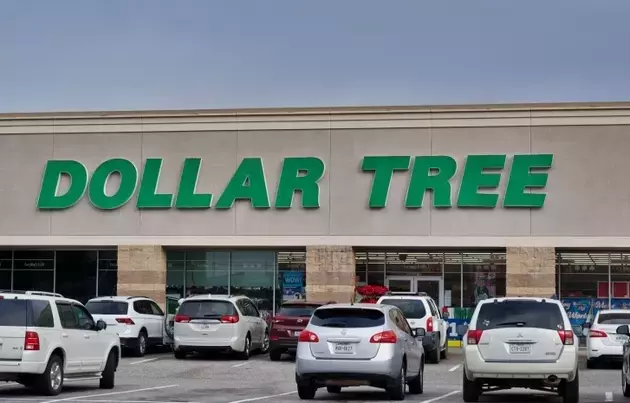
This comprehensive financial analysis compares the performance and future prospects of Dollar Tree (DLTR) and Dollar General (DG), two prominent players in the dollar store sector. Our findings indicate that Dollar Tree is strategically positioned for higher growth and profitability, primarily due to its diversified product offerings, adaptable pricing models, and efficient operational expansions. While Dollar General has historically dominated rural markets, it is now contending with escalating operating expenses and a more modest growth trajectory, which could impede its financial advancement. This report underscores Dollar Tree’s robust potential for enhanced shareholder returns, supported by its projected increase in free cash flow and a fortified balance sheet.
Dollar Tree's strategic focus on a multi-price point model, alongside its strong presence in general merchandise, fuels its revenue growth and enhances its gross and EBITDA margins. The company's expansion plans, coupled with stringent cost controls, are set to deliver a revenue growth forecast of 6.72% by 2026, significantly surpassing Dollar General's projected 4.80%. This aggressive yet calculated approach allows Dollar Tree to capture a broader market segment and adapt more effectively to consumer spending habits. Furthermore, the anticipated improvement in Dollar Tree's cash-to-debt ratio, expected to reach nearly 1.0x by 2030, signals a strengthening financial position that mitigates future risks and enhances its investment appeal.
Dollar Tree's Strategic Edge: Multi-Price Point and Margin Superiority
Dollar Tree is exhibiting a stronger growth trajectory and enhanced profitability compared to Dollar General, largely attributable to its diversified product range and adaptive pricing strategies. The company's emphasis on general merchandise and seasonal items not only drives higher sales volumes but also contributes to more robust profit margins. Unlike its competitor, Dollar Tree has successfully implemented a multi-price strategy, moving beyond the traditional single-dollar price point. This flexibility allows it to cater to a wider customer base and adjust to market demands more dynamically, thereby boosting its revenue streams. The projected revenue growth rate for Dollar Tree is estimated at 6.72% by 2026, which is notably higher than Dollar General's 4.80%, underscoring the effectiveness of its strategic initiatives and market positioning.
The strategic advantage of Dollar Tree is further highlighted by its superior gross and EBITDA margins. These elevated margins are a direct result of its product mix, which leans heavily towards higher-margin general merchandise, and its meticulous cost management. The company's proactive approach to store expansion, coupled with rigorous cost control measures, is a key driver of its profitability. This blend of aggressive growth and operational efficiency enables Dollar Tree to generate stronger free cash flow and maintain a healthier financial outlook. The anticipated strengthening of its balance sheet, with a projected cash-to-debt ratio nearing 1.0x by 2030, reinforces its financial stability and resilience against market fluctuations. This strong financial posture positions Dollar Tree as a more attractive investment opportunity, promising sustained growth and improved shareholder value.
Dollar General's Challenges: Rising Costs and Slower Growth
Dollar General, despite its long-standing dominance in rural markets, is encountering increasing pressures that challenge its profitability and growth prospects. The company is particularly vulnerable to rising selling, general, and administrative (SG&A) expenses, which are eating into its operating margins. These costs include various operational overheads and administrative expenditures that have been steadily climbing, making it difficult for Dollar General to maintain its historical levels of profitability. Additionally, the pace of store expansion for Dollar General has slowed down, impacting its overall revenue growth. While the company still boasts a significant footprint, this deceleration in growth, combined with higher operational costs, signals a period of financial constraint that could affect its market performance.
The financial health of Dollar General is further scrutinized when compared to its competitor, Dollar Tree. While Dollar General has initiated cost-saving measures and introduced new strategies, such as offering more refrigerated and frozen foods to attract customers, these efforts have yet to translate into significant margin improvements or accelerated revenue growth. The intense competitive landscape within the discount retail sector, coupled with inflationary pressures, continues to challenge Dollar General's ability to optimize its cost structure effectively. Consequently, the company's financial outlook, particularly concerning its profit margins and debt management, appears less robust than that of Dollar Tree, raising concerns among investors about its long-term investment viability and capacity for sustained growth in a dynamic retail environment.
