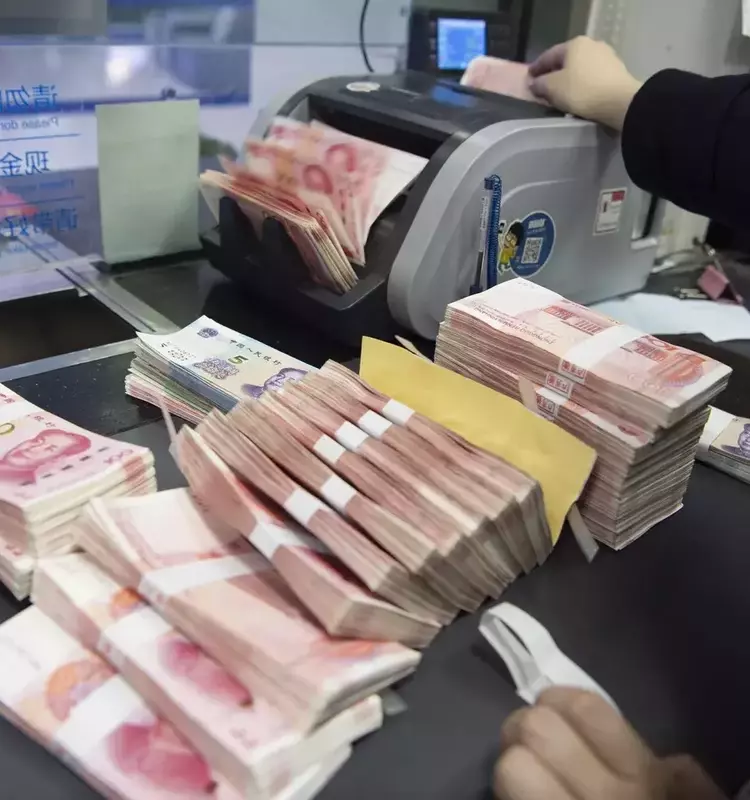
Wholesale money, defined as substantial funds exchanged between financial institutions within money markets, plays a vital role in sustaining the functionality of global financial systems. However, its reliance can be fraught with peril, a lesson painfully learned during past financial upheavals. This analysis delves into the essence of wholesale money, its inherent dangers, and how the stability of these markets can serve as an early warning system for broader financial distress. Despite new regulations aimed at fostering stability, the persistent demand for high-quality liquid assets and the Federal Reserve's ongoing interventions underscore the fragility and strategic importance of these intricate financial mechanisms.
The Intricate World of Wholesale Financial Transactions
In the vast and interconnected world of finance, "wholesale money" refers to the practice where major financial institutions engage in extensive borrowing and lending activities. This often occurs within specialized money markets, facilitating the smooth flow of liquidity essential for daily operations. This encompassing definition includes a wide array of tradable financial instruments, such as government-issued Treasury bills, commercial papers from corporations, and various forms of short-term securities like repurchase agreements and asset-backed instruments. These large-scale transactions are indispensable for corporations and financial entities seeking working capital and short-term funding, thereby underpinning the stability of both the U.S. and international financial landscapes.
However, the convenience and speed of wholesale funding conceal substantial risks. The global financial crisis served as a stark reminder of these dangers. Institutions, particularly banks, that excessively relied on short-term wholesale funding instead of more stable retail deposits found themselves vulnerable to severe liquidity risks when these markets abruptly contracted. A notable event during this period was the dramatic downfall of Lehman Brothers in 2008. The ensuing panic led to a massive withdrawal of wholesale funds, critically impacting banks like Wachovia, which reportedly lost approximately $5 billion overnight. This precipitous loss forced Wachovia into a hasty acquisition by Wells Fargo, circumventing a potential bankruptcy. Similarly, in 2007, the British bank Northern Rock, heavily dependent on wholesale markets, faced a severe funding crisis and required emergency intervention from the Bank of England.
These historical events underscore a critical insight: wholesale money markets are potent leading indicators of financial stress. Their movements often provide a more immediate and accurate reflection of borrowing costs than official interest rates set by central banks. Today, metrics such as the OIS discounted overnight rate, which utilizes short-term benchmarks like the Federal Funds Rate, are closely watched for signs of credit risk within the banking sector. Despite the implementation of new regulatory frameworks, such as Basel III, which introduced stringent capital and liquidity requirements (like the liquidity coverage ratio and net stable funding ratio) for global systemically important banks (G-SIBs), the demand for high-quality liquid assets (HQLA) indicates that these markets remain far from fully stable. In the U.S., new money market regulations were enacted in 2016. Nevertheless, the Federal Reserve continues to play a crucial role in stabilizing lending markets, notably through its Reverse Repurchase (RRP) facility. This intervention is particularly vital as rising interest rates tend to diminish retail deposits, increasing banks' reliance on wholesale funding and, consequently, elevating systemic risk across the financial system.
