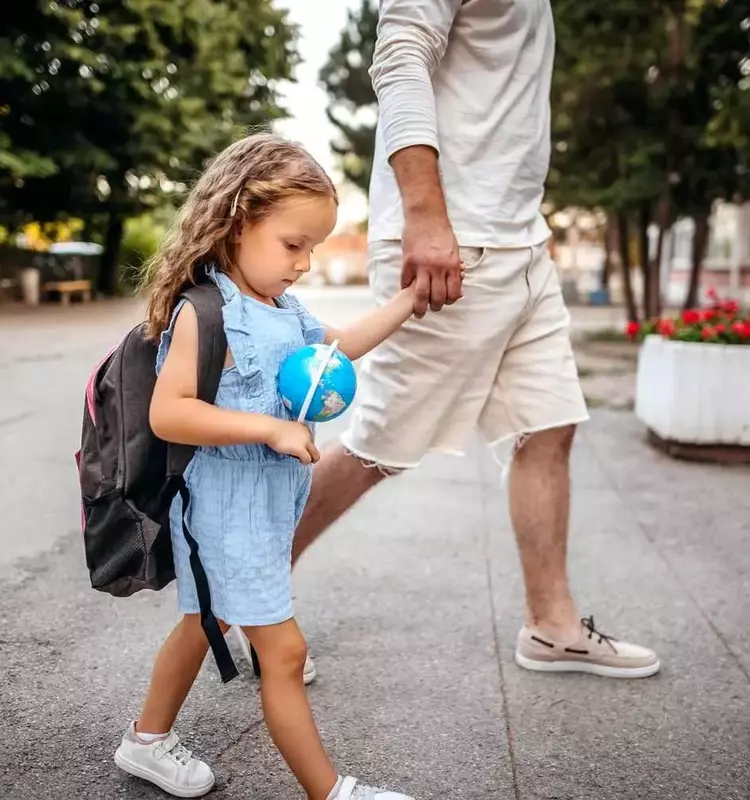
Starting preschool is a significant step in a child's development, but it can often trigger considerable anxiety and resistance. Experts, like Katrina Green, an early childhood education specialist, highlight that this apprehension stems from the unknown. Children, having spent their early years mastering the rhythms of home life, face a completely new set of rules and routines at school. To mitigate this, Alisa Clark Ackerman, an experienced preschool teacher, advises parents to begin preparing their children several weeks before the first day, gradually introducing them to the upcoming adventure.
Preparing a child for preschool involves several key strategies. Firstly, clearly communicate the routines of preschool, detailing the activities, play, and the assurance that you will always return to pick them up. It's crucial to manage expectations, focusing on factual aspects rather than over-hyping the experience. Secondly, facilitate interactions with the teacher and visits to the school beforehand. Meeting the teacher with your child present and familiarizing them with the classroom environment can build trust and comfort. Additionally, arranging playdates with future classmates helps create a sense of familiarity and belonging, reducing feelings of isolation. Maintain a positive and calm demeanor, as your child will mirror your emotions. Engaging in role-playing games where toys attend school and return, and reading books about school experiences, can also demystify the process and validate their feelings.
On the day of drop-off, establishing a consistent goodbye ritual offers comfort and predictability. A quick, loving farewell is often more beneficial than a prolonged one, which can intensify a child’s distress. While it's important not to sneak away, some children benefit from a parent's gradual withdrawal, with clear communication about when the parent will leave, perhaps aided by a visual timer. Allowing children to bring a comforting object from home can also provide a sense of security. It’s important to avoid comparing your child's reaction to others, understanding that each child processes separation uniquely. Finally, upon reunion, emphasize your return, reinforcing trust and predictability. Parents, too, must manage their own anxieties. Getting to know the teacher, understanding their procedures for handling crying children, and sharing insights into your child's home life can foster a supportive environment. Viewing preschool as a valuable life lesson in overcoming challenges, and resisting the urge for surprise visits, empowers both parent and child. Patience is key; a full transition may take months, but with consistent effort, children can successfully adapt.
Embracing the preschool journey with preparation, understanding, and a positive outlook can transform a potentially anxious experience into a period of growth and discovery for children, fostering resilience and a love for learning.
