"Economic Outcast" Operation to Isolate Iran and Its Global Repercussions
Finance

"Economic Outcast" Operation to Isolate Iran and Its Global Repercussions

authorBy Morgan Housel
DateAug 25, 2026
Read time2 min

The United States Treasury Department recently unveiled a new initiative, "Operation Economic Outcast," aimed at achieving the complete economic isolation of Iran. This ambitious plan seeks to compel Iran to make significant concessions, specifically the reopening of the Strait of Hormuz and the cessation of its nuclear program. The strategy involves imposing secondary sanctions on any nation or entity that continues to provide economic assistance to Iran. This move is poised to intensify geopolitical tensions and could lead to unforeseen global economic and political ramifications.

Details of the "Economic Outcast" Initiative

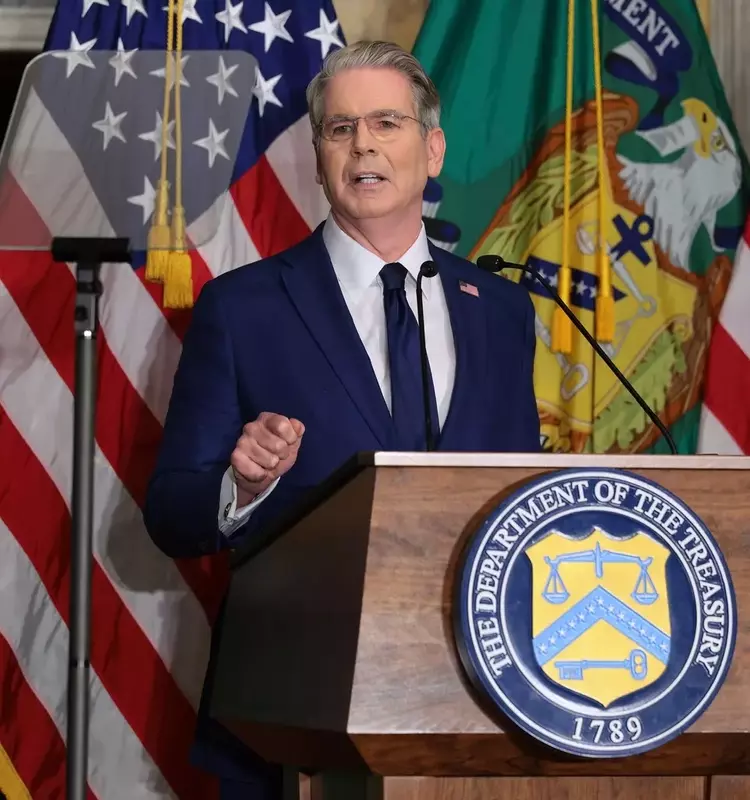
On August 26, 2026, Treasury Secretary Bessent officially announced "Operation Economic Outcast," declaring a comprehensive effort to sever Iran's economic lifelines. The core of this operation involves the application of secondary sanctions, meaning that any country or business found to be financially supporting Iran will itself face punitive measures from the United States. This aggressive stance is designed to create an impossible environment for Iran to conduct international trade, thereby forcing its compliance with American demands.

A key target of these secondary sanctions is China, which has significant economic ties with Iran. However, China's potential response remains uncertain, as it possesses substantial leverage through its control over global rare earth materials. Should China decide not to fully comply with the sanctions, the effectiveness of "Operation Economic Outcast" could be undermined, leading to a complex standoff between major global powers.

The anticipated reaction from Iran is a critical concern. Experts suggest that Iran is likely to retaliate fiercely, potentially by disrupting global oil supplies to trigger a sharp increase in oil prices and unleash a worldwide inflationary shock. Such actions would not only complicate the global economic recovery but also dramatically escalate the already fraught political climate in the Middle East and beyond. The overarching assessment is that this initiative is a precursor to a significant escalation in international relations, with far-reaching consequences for global stability and economic markets.

The initiation of "Operation Economic Outcast" marks a pivotal moment in international diplomacy and economic strategy. It reflects a growing trend towards using economic coercion as a primary tool to achieve geopolitical objectives. However, this approach is fraught with risks, not least of which is the potential for unintended consequences. The global economy is intricately linked, and isolating a nation like Iran, with its significant oil reserves and strategic location, could send ripples across various sectors. The world watches keenly to see how these tensions unfold and what new global order might emerge from this high-stakes economic confrontation.

More Articles
Finance
Alphabet: A Consistent 'Buy' Despite Market Fluctuations
Despite recent underperformance, Alphabet (GOOG, GOOGL) maintains a 'buy' rating, fueled by its robust revenue, profit, and cash flow expansion. Google Cloud's revenue has nearly doubled year-over-year, and its profit margins have significantly increased from 20.7% to 35.6%. The company's core services, such as Google Search and YouTube ads, continue to exhibit strong growth, driving segment profits and generating substantial cash. While Alphabet's shares may not appear inexpensive, its leadership position in the industry, strong balance sheet, and diverse growth avenues justify continued optimism for investors.
By Michele FerreroAug 25, 2026
Finance
Understanding Currency Forwards: Hedging Exchange Rate Risks
Currency forwards are crucial over-the-counter derivative instruments in the forex market, allowing parties to lock in an exchange rate for a future transaction. This customization offers significant protection against currency fluctuations, making future costs and revenues predictable for businesses and investors involved in international trade. The pricing of these forwards considers current spot rates, interest rate differentials between currencies, and contract duration, providing a vital tool for risk management despite requiring a binding obligation and potential margin adjustments.
By Michele FerreroAug 25, 2026
Finance
Campbell's Stock: A Cautious 'Hold' Despite Valuation and Dividend Appeal
Campbell's stock, despite its attractive valuation and a substantial 6.5% dividend yield, faces significant challenges. The company is experiencing a 4% year-over-year decline in organic net sales across its meals, beverages, and snacks segments, indicating potential structural issues. Furthermore, inflationary pressures and tariff-related costs are squeezing margins, while a high debt load and interest expenses pose additional risks. Until a clear rebound in revenue growth and margin stability is observed, a 'Hold' rating is warranted.
By Fareed ZakariaAug 25, 2026
Finance
Nasdaq's Strategic Transformation: Beyond Exchange to Global Financial Infrastructure
Nasdaq is redefining itself, moving past its traditional exchange role to become a key player in global financial infrastructure. Through strategic acquisitions and innovative initiatives like 23-hour trading, it's expanding its software and data offerings, leveraging proprietary data for AI-driven growth. Despite a rich valuation and debt from recent acquisitions, its resilient margins and deep integration into global finance suggest a promising long-term outlook for investors.
By Fareed ZakariaAug 25, 2026
Finance
Understanding Arbitrage Pricing Theory (APT): A Multifactor Model for Asset Returns
Arbitrage Pricing Theory (APT) is a financial model that determines an asset's expected return based on its sensitivity to various macroeconomic factors. Unlike the Capital Asset Pricing Model (CAPM), which considers only market risk, APT integrates multiple risk factors like inflation and GDP growth. This model helps investors identify mispriced securities, offering opportunities for arbitrage as prices move towards their fair value, though such operations are not entirely risk-free.
By Nouriel RoubiniAug 25, 2026