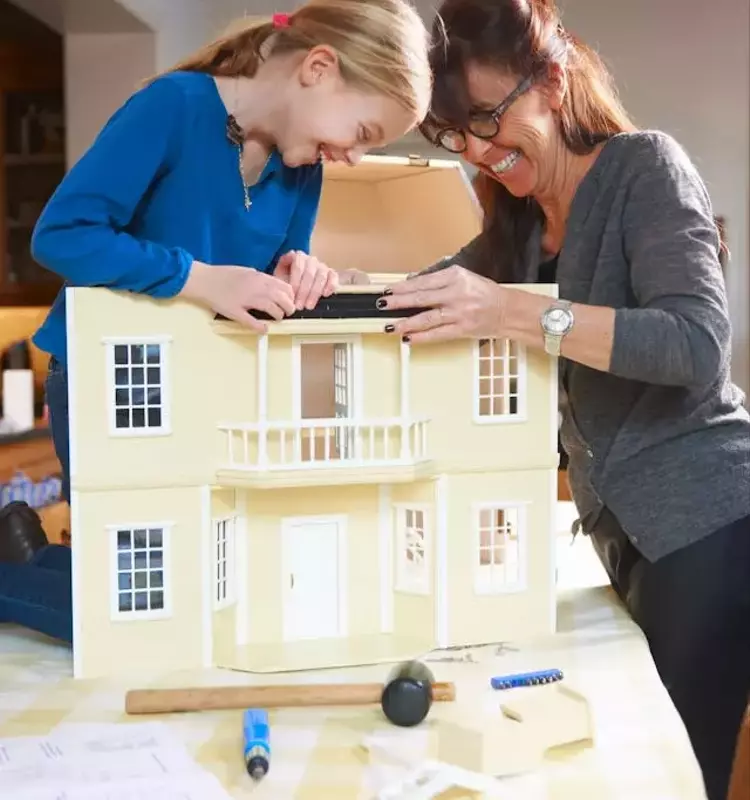
While it's common for adults to believe that imaginative play is exclusive to early childhood, the reality is that older children, including tweens and teenagers, continue to derive significant benefits from engaging in make-believe scenarios. The nature of this play simply transforms as children mature, becoming more intricate and layered. Instead of discarding dolls, dollhouses, and miniature sets, we should recognize their lasting potential as tools for cognitive and emotional development. Providing opportunities for extended pretend play can help older kids process complex feelings, hone their storytelling abilities, and maintain a vital creative spark in a world that often pressures them to grow up too quickly.
As children age, their capacity for imaginative engagement doesn't diminish; rather, it deepens and becomes more sophisticated. What starts as simple imitation in toddlers blossoms into elaborate world-building and nuanced character development in older children. This evolution is not only entertaining but also serves as a crucial emotional and intellectual outlet, allowing them to navigate the increasing complexities of adolescence through a safe and creative lens. Encouraging and supporting this continued play, rather than prematurely ending it, can significantly contribute to their overall well-being and development.
The Evolving Landscape of Imaginative Play
Pretend play undergoes a remarkable transformation as children progress from infancy through their school years. Initially, it involves basic interactions with toys like baby dolls and miniature household items, helping toddlers understand their immediate environment. As they enter preschool, this play expands to include more elaborate setups like kitchen sets and playhouses, fostering early social skills and role-playing. However, a common misconception leads many to believe that by elementary school, these toys lose their relevance, often being given away or sold. The article challenges this notion, asserting that older children find new and profound ways to engage with these same items, creating richer, more detailed narratives and scenarios that reflect their growing understanding of the world and their developing emotional landscape.
The shift in how children engage with pretend play is less about outgrowing the toys themselves and more about the increasing complexity of their imaginative worlds. For a toddler, a plastic frying pan might simply be for imitating cooking. For an older child, that same pan becomes a prop in a sophisticated restaurant scenario, complete with a grumpy head chef, specific customer orders, and even fictional payment disputes. This advanced level of play allows them to integrate observations from movies, books, and real-life experiences, constructing intricate backstories and detailed interactions. Such engagement is not merely childish amusement; it's a powerful cognitive exercise that refines their storytelling abilities, encourages problem-solving, and offers a creative space to explore and mimic real-world dynamics, ultimately enhancing their understanding and navigation of social situations beyond direct observation.
Nurturing Creativity and Emotional Well-being Through Play
The decision to prematurely remove pretend play items from older children's environments often overlooks the significant emotional and psychological benefits these activities continue to provide. Growing up can be a challenging period, filled with new pressures and complex emotions. Imaginative play, whether it's through arranging dollhouse furniture or creating detailed narratives with action figures, serves as a vital coping mechanism and a creative outlet. Experts in play therapy emphasize that such engagement helps children regulate their emotions, build self-esteem, and express feelings they might struggle to articulate verbally. Rather than viewing toys as something to be outgrown, we should recognize them as enduring tools that support self-discovery, emotional resilience, and a continuous sense of wonder, offering a crucial escape and a constructive way to process the world.
Maintaining access to pretend play materials allows older children to tap into a rich vein of creativity and emotional processing that is essential for their development. For example, an eleven-year-old requesting to play with Barbies isn't regressing; rather, they are seeking a different kind of engagement—one that involves more intricate scene-setting, character development, and complex interpersonal dynamics within the play scenario. This deeper level of imaginative involvement helps them to re-contextualize their experiences, practice social interactions, and even reenact situations to build confidence. The article advocates for a shift in perspective, suggesting that the same creative drive that leads adults to hobbies like model building or cosplaying is present in children who still cherish their playthings. By storing these items rather than discarding them, parents can signal that play remains a valued and important part of their children's lives, fostering an environment where imagination and emotional expression are continuously encouraged and celebrated, ultimately strengthening their mental and emotional health.
