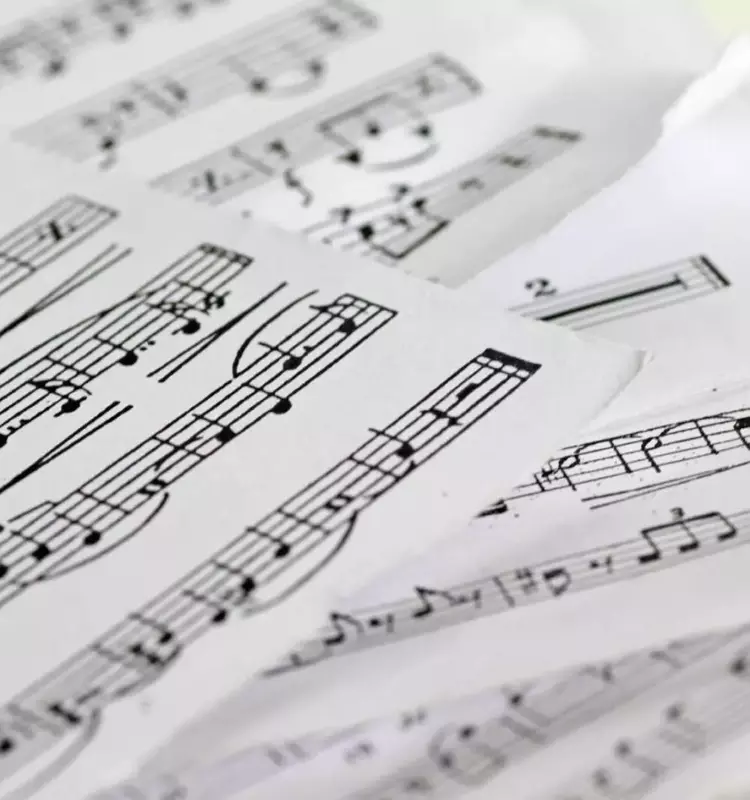
Annually, numerous cultural treasures, encompassing musical compositions, cinematic productions, and literary pieces, transcend their copyright restrictions, becoming universally available for unrestricted utilization. In the current year, a distinguished collection of works originating from the 1930s has been designated for public access, marking a significant expansion of our shared artistic heritage.
Among the newly accessible musical works are celebrated tunes such as “Dream a Little Dream of Me” and “Georgia on My Mind,” compositions that have been reinterpreted by a myriad of renowned artists over the decades, gaining widespread acclaim. Additionally, four notable songs penned by George Gershwin, with lyrics by his brother Ira, including “Embraceable You” and “I Got Rhythm,” are now part of the public domain. Beyond music, an early iteration of the beloved character Betty Boop, along with classic films like the Marx Brothers’ "Animal Crackers" and "All Quiet on the Western Front," are now freely available. Literary enthusiasts will also appreciate the inclusion of the initial Nancy Drew novels and Dashiell Hammett’s "The Maltese Falcon" in this year’s public domain entries.
This recurrent transition of copyrighted works into the public sphere is a testament to the dynamic nature of intellectual property and its evolving role in society. It ensures that these historically significant and culturally impactful creations remain alive and relevant, providing endless possibilities for future generations of artists, scholars, and the general public to explore, adapt, and draw inspiration from. The accessibility of these works fuels innovation and reinterpretation, underscoring the enduring power of human creativity.
The movement of artistic and intellectual properties into the public domain is a powerful affirmation of the collective human spirit and its capacity for creation. It promotes a future where the rich tapestry of our past can continually inspire new forms of expression and understanding, fostering a culture of openness and shared knowledge. This ongoing process highlights the importance of preserving and celebrating our cultural heritage, ensuring its perpetual influence and accessibility for all.