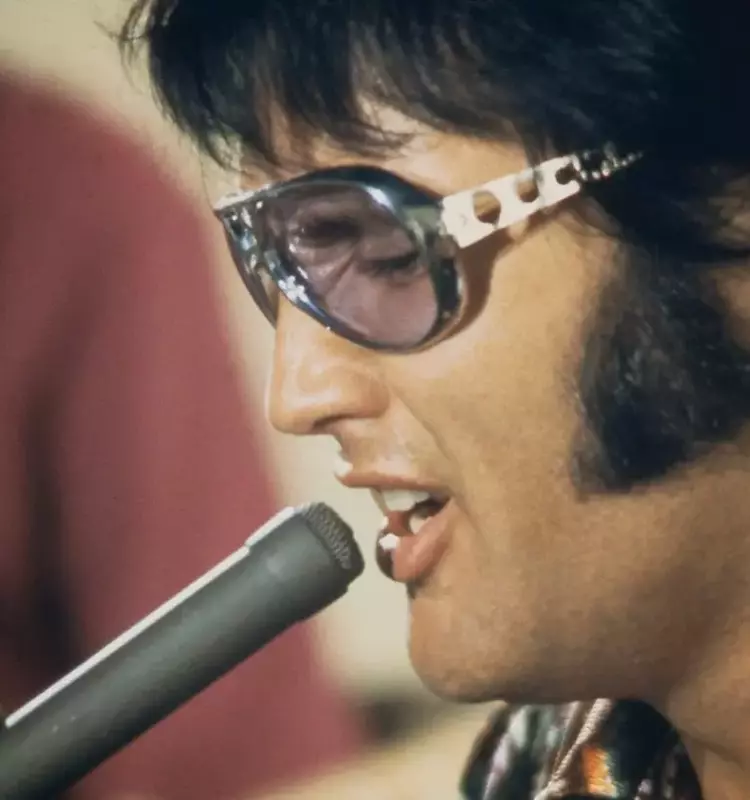
A new cinematic experience, "EPiC: Elvis Presley in Concert," directed by Baz Luhrmann, provides an unparalleled glimpse into the legendary performer's musical genius. The documentary showcases rare, previously unreleased footage and candid audio, particularly from a 1969 rehearsal in Las Vegas. This intimate portrayal highlights Elvis's vibrant energy and genuine passion for music, challenging long-held stereotypes and reaffirming his status as a formidable artistic force, not merely a pop culture icon. The film captures his undeniable charisma, even in casual moments, such as his rehearsal in purple shades, demonstrating the inherent star power that defined his career from his humble beginnings in Mississippi to his global superstardom.
The film arrives at a time when Elvis's presence in popular culture is experiencing a significant resurgence, evidenced by recent cinematic explorations like Eugene Jarecki's "The King" and Sofia Coppola's "Priscilla," alongside his late daughter Lisa Marie's memoir. "EPiC" delves into the complex questions surrounding Elvis's enduring appeal, exploring how his icon continues to adapt and captivate audiences seven decades after his initial breakthrough. The film uncovers 69 boxes of lost reels, amounting to 59 hours of never-before-seen footage from the concert films "Elvis: The Way It Is" and "Elvis on Tour." Restored by Peter Jackson's team, this material offers a unique, unadulterated narrative, with Elvis himself serving as the primary storyteller, expressing raw emotions about his Hollywood image and his yearning to return to live performances after years of contractual obligations.
Elvis's journey was marked by constant evolution and public scrutiny. From being derided by critics in the 1950s to being mocked as a Vegas entertainer in the 1970s, his legacy has always been a subject of debate. This continuous re-evaluation, rather than diminishing his impact, has solidified his unique vitality. The film poignantly illustrates his early defiance against critics, emphasizing his unwavering confidence in his art. It also sheds light on the constraints he faced, particularly under his manager, Colonel Tom Parker, which prevented him from embarking on a world tour and pursuing more diverse acting roles. Despite these limitations, Elvis's music continued to innovate, blending diverse influences from blues and bluegrass to gospel, creating a revolutionary sound that transcended social barriers. The film celebrates his rich musical catalog, from the raw energy of "The Sun Sessions" to the soulful depth of "From Elvis in Memphis," demonstrating that his legend is fundamentally rooted in his extraordinary artistic output.
Ultimately, "EPiC: Elvis Presley in Concert" offers a profound and uplifting testament to the timeless power of artistic expression and resilience. Elvis's story is a compelling reminder that true talent, authenticity, and an unyielding spirit can transcend adversity, continually inspire new generations, and remain relevant long after an artist has left the stage. His enduring presence in the cultural landscape symbolizes the constant interplay between societal perception and individual artistic truth, encouraging us to look beyond superficial narratives and appreciate the deep, complex artistry that defines a true legend. The film implicitly argues that by embracing originality and staying true to one's creative vision, individuals can leave an indelible mark on the world, shaping culture and challenging preconceived notions for decades to come.