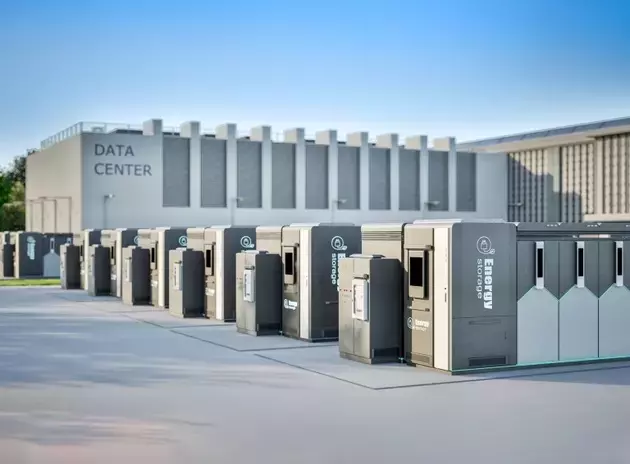
The energy storage sector is currently witnessing a substantial boom, fueled by the insatiable energy demands of artificial intelligence (AI) and the strategic investments of hyperscale cloud computing giants. Leading technology firms are forging stronger partnerships with battery storage providers, underscoring the pivotal role of advanced energy solutions in supporting both AI data centers and the broader stability of power grids. This collaborative effort is poised to redefine energy infrastructure globally, with forecasts indicating a sharp increase in annual energy storage deployments.
As AI applications become more sophisticated and prevalent, the computational power required continues to skyrocket, translating into unprecedented electricity consumption. Hyperscale data centers, which form the backbone of modern digital services, are at the forefront of this energy demand. Their need for reliable, efficient, and scalable power solutions has propelled battery storage to the forefront of strategic planning, transforming it from a supplementary technology into an essential component of critical infrastructure. This shift is not only enhancing the resilience of data centers but also driving innovation in the energy storage industry as a whole.
Accelerated Growth in Energy Storage Driven by AI and Cloud Providers
The burgeoning field of artificial intelligence and the expanding infrastructure of hyperscale cloud computing companies are significant catalysts behind the accelerated growth observed in the energy storage market. These technological advancements necessitate a constant and robust power supply, prompting leading corporations like Amazon, Alphabet, and Meta Platforms to intensify their partnerships with battery manufacturers. The strategic alliances are focused on developing and deploying advanced battery solutions that can meet the rigorous energy requirements of AI-driven operations and large-scale data centers. Industry experts and participants are increasingly optimistic about the future of battery technology, recognizing it as an indispensable element for modern data infrastructure and the stability of global power grids. The consensus is that efficient energy storage is no longer a luxury but a fundamental necessity for sustaining the digital economy.
The integration of battery storage into the operational frameworks of hyperscale cloud providers marks a crucial evolution in how power is managed and consumed within the technology sector. The relentless growth of AI, with its demanding computational loads, creates intermittent power surges and requires consistent backup, making traditional energy sources insufficient on their own. Batteries offer a dynamic solution, providing both stability and efficiency by storing surplus energy and discharging it during peak demand or outages. This proactive approach not only optimizes energy usage but also reduces operational costs and carbon footprints. Furthermore, the collaborative efforts between tech giants and battery suppliers are fostering rapid innovation in battery chemistry, capacity, and durability, paving the way for more sophisticated and sustainable energy ecosystems that can readily adapt to future technological demands.
Global Energy Storage Capacity Poised for Significant Expansion
Projections for global energy storage additions indicate a substantial increase in capacity over the coming years, with annual deployments expected to rise dramatically. Analysts forecast a nearly 40% surge in global energy storage additions by 2026, reaching approximately 165 gigawatts (GW), and further expanding to over 210 GW by 2030. This optimistic outlook is underpinned by the growing recognition of energy storage as a vital component for both grid modernization and the integration of renewable energy sources. The United States is anticipated to be a major contributor to this growth, with projections suggesting an additional 33 GW of capacity between 2027 and 2028, reflecting a strong commitment to enhancing energy resilience and sustainability.
The rapid expansion of energy storage capacity is a direct response to several interconnected factors, including the imperative to stabilize power grids against fluctuating renewable energy inputs and the escalating energy demands from sectors such as AI and cloud computing. Companies like Google, a prominent investor in clean energy, are actively exploring comprehensive battery solutions that operate across various scales, from utility-level applications to behind-the-meter installations. This dual approach emphasizes the versatility of battery technology in addressing diverse energy needs, from large-scale grid support to localized power optimization for data centers. The strategic deployment of these advanced energy storage systems is essential for achieving a reliable, efficient, and sustainable global energy landscape, capable of supporting the evolving requirements of a technologically driven world.
