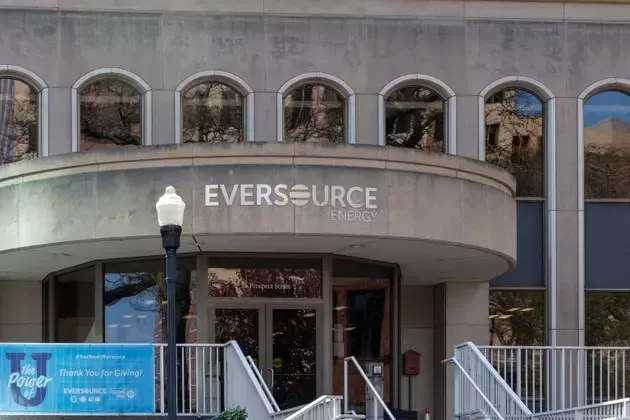
Eversource Energy: Navigating Regulatory Challenges for Long-Term Growth
Finance

Eversource Energy: Navigating Regulatory Challenges for Long-Term Growth

authorBy Morgan Housel
DateMay 28, 2026
Read time2 min
Eversource Energy, a prominent player in the utility sector, is currently navigating a complex landscape of market growth and regulatory pressures. This analysis delves into the company's operational strengths, recent financial performance, and the impact of key regulatory decisions, offering a comprehensive outlook for investors.

Patience is Key: Unlocking Eversource's Future Value Beyond Immediate Challenges

Market Dynamics and Growth Opportunities

Eversource Energy is strategically positioned within the dynamic and expanding electricity and natural gas sectors. The United States is experiencing a significant surge in electricity demand, projected to range between 850GW and 930GW, underscoring the robust growth potential for utility companies. This increasing demand provides a solid foundation for Eversource's sustained operational growth, reinforcing its market presence.

Regulatory Headwinds and Financial Implications

Despite a positive market outlook, Eversource faces considerable near-term challenges stemming from a recent Federal Energy Regulatory Commission (FERC) decision. This ruling has reduced the company's allowed Return on Equity (ROE) to 9.57% and introduced a potential refund obligation of $880 million. Such regulatory adjustments are expected to exert pressure on the company's earnings in the immediate future, requiring careful financial management.

First Quarter Performance and Revenue Trends

In the first quarter of 2026, Eversource demonstrated resilience in its natural gas segment, achieving segment earnings of $0.7 billion, even amidst a decline in customer numbers. This performance, coupled with a gradual uptrend in overall revenues, highlights the company's ability to generate value across its diverse operations. The sustained revenue growth suggests underlying stability despite specific segment fluctuations.

Long-Term Growth Trajectory and Associated Risks

Looking ahead, Eversource projects a long-term earnings per share (EPS) growth rate of 5-7%. This optimistic forecast is based on the expectation that current short-term regulatory issues will be resolved by May 2027. However, investors should remain mindful of potential risks, including stock dilution and ongoing regulatory uncertainties, which could impact the achievement of these growth targets.

Strategic Positioning in a Evolving Energy Landscape

Eversource Energy's operations are deeply integrated into the broader energy market, a sector characterized by continuous innovation and evolving demand patterns. The company's focus on high-growth electricity and natural gas markets, combined with its efforts to adapt to regulatory changes, positions it for continued relevance. Its ability to balance market opportunities with regulatory compliance will be crucial for long-term success.

More Articles
Finance
Top Real Estate Apps for Property Search and Investment
This article explores the leading real estate applications available for mobile devices, categorizing them by their specialized functions. It highlights Zillow as the premier overall app due to its extensive listings and user-friendly design. Other apps, such as Xome Auctions for property auctions, Redfin for home purchases, Trulia for user experience, Apartments.com for rentals, and LoopNet.com for commercial real estate, are also reviewed.
By Lisa JingMay 28, 2026
Finance
Semiconductor Stocks Outpace Analyst Expectations
Semiconductor stocks have surged beyond Wall Street's price targets, diverging significantly from the broader market. While the average Russell 1000 stock trades below its target, some semiconductor companies, like Enphase Energy, Intel, and Micron, are substantially above. Notably, NVIDIA remains an outlier, trading well below its consensus target.
By Michele FerreroMay 28, 2026
Finance
Understanding Chase Bank CD Rates: Key Features, Pros, Cons, and Alternatives
This article explores Chase Bank's Certificate of Deposit (CD) offerings, highlighting their competitive 'relationship rates' for existing checking account holders, which can reach up to 4.00% APY. It contrasts these with the generally lower standard rates for non-customers. The analysis also covers the benefits of Chase CDs, such as flexible terms, alongside drawbacks like higher minimum deposit requirements and low rates for most terms, providing a comprehensive overview for potential investors.
By Suze OrmanMay 28, 2026
Finance
Apogee Therapeutics: Advancing Eczema Treatment with Innovative Dosing and Strategic Funding
Apogee Therapeutics, a promising biotech firm, is making strides in atopic dermatitis treatment with its investigational drug, zumilokibart. This subcutaneous monoclonal antibody, targeting IL-13, offers a unique dosing schedule of just two to four times annually, distinguishing it from existing biologics. Positive Phase 2b trial results and a significant funding collaboration with Blackstone further bolster its potential, mitigating near-term financial risks and supporting future commercialization efforts.
By Fareed ZakariaMay 28, 2026
Finance
Micron: The Market's Misjudgment of Memory Cyclicality
Micron Technology's valuation recently soared to $1 trillion, largely due to an aggressive price target increase by UBS, rather than significant new fundamental data. This rapid ascent raises concerns about market sentiment overlooking the inherent cyclical nature of the memory chip industry. While AI-driven demand has boosted growth, the non-AI segments, particularly for PCs and smartphones, are showing signs of moderation, as indicated by DRAM spot prices. This suggests a potential reality check for Micron's Q3 earnings, especially regarding profit margins, which could lead to a necessary recalibration of market expectations.
By Robert KiyosakiMay 28, 2026