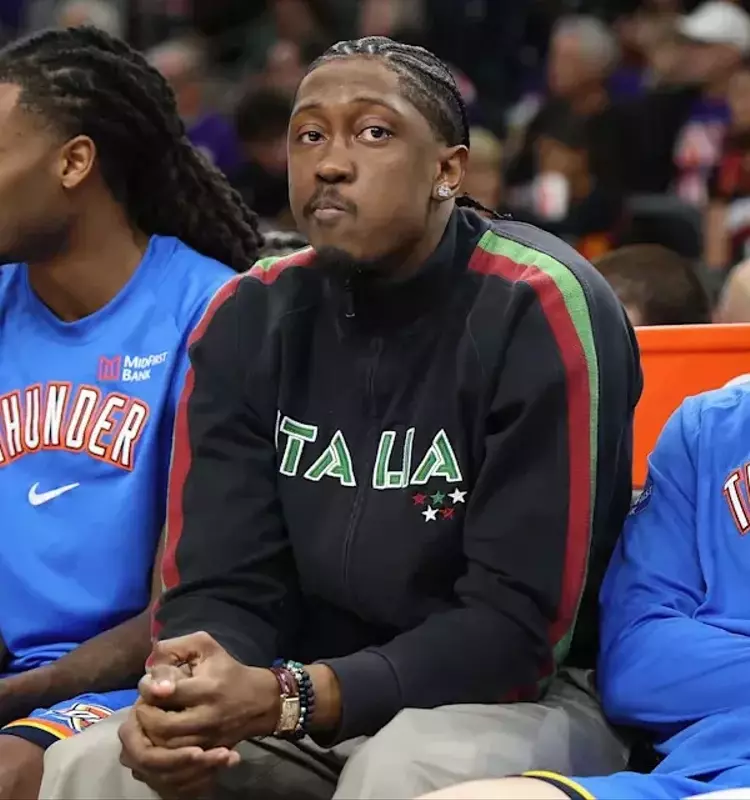
Jalen Williams, a key player for the Oklahoma City Thunder, has unfortunately encountered his first significant injury setback during the postseason, suffering a hamstring strain in a recent game against the Phoenix Suns. This incident follows a season already marked by health challenges, including wrist surgeries and two previous hamstring issues, limiting his regular-season appearances to 33 games. While the current injury is classified as Grade 1 and affects his left leg rather than the previously problematic right, it raises concerns about his durability as the team progresses in the 2026 NBA Playoffs.
A sports medicine expert, Dr. Tony Wanich, shared his professional perspective on Williams' condition, emphasizing that Grade 1 hamstring strains often allow for a return within two weeks. However, he cautioned that the exact location and tissue involvement of the injury could alter this recovery timeline. Dr. Wanich suggested that Williams' recurring hamstring problems might stem from overcompensation due to earlier injuries or an excessive workload. He also highlighted the inherent difficulty athletes face with these types of injuries, noting that premature returns often increase the risk of re-injury. The specialist also pointed out that Williams' wrist issues earlier in the season might have hampered his preseason conditioning, making him more susceptible to these muscle strains.
Looking ahead, the plan for Williams' return will likely involve careful monitoring of his minutes and overall workload, even as playoff intensity typically encourages pushing boundaries. Dr. Wanich underscored the notorious tendency of hamstring injuries to recur if not given adequate time to heal completely, potentially leading to further lower extremity problems. He stressed the importance of a comprehensive offseason program to strengthen his hamstrings and prevent future recurrences. Beyond the physical aspects, Dr. Wanich acknowledged the significant mental and emotional stress that frequent injuries and rehabilitation can inflict on athletes, potentially causing apprehension and cautiousness in their play.
Williams' journey through this season's injuries serves as a compelling reminder of the resilience required in professional sports. Despite the physical and mental hurdles, his determination to overcome these setbacks and return to peak performance embodies the spirit of perseverance. This situation highlights the critical role of dedicated medical and training staff in supporting athletes through recovery, ensuring not only their physical healing but also their mental well-being, ultimately fostering a positive and triumphant return to the game.