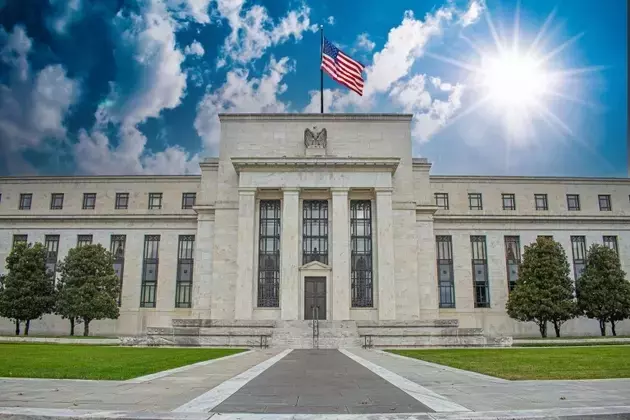
The Federal Reserve is at a critical juncture, marked by the new leadership of Chairman Kevin Warsh. His appointment signals a potential shift in monetary policy, though immediate alterations to interest rates are not anticipated. The ongoing conflict in Iran and escalating oil prices continue to fuel inflation, complicating the Fed's decision-making process. Concurrently, a gradual softening in the labor market adds another layer of complexity to the economic outlook. These factors collectively indicate a period of cautious evaluation for the central bank.
Chairman Warsh's past record suggests a firm stance against inflation and a degree of skepticism towards aggressive monetary easing. This perspective implies a more hawkish direction for the Federal Reserve's policy in the future. As fiscal stimulus measures potentially recede and the Fed adopts a less dovish posture, various asset classes could experience significant shifts. Investors, particularly those holding inflation-linked assets such as gold and silver, may encounter headwinds in the upcoming quarters.
The Fed's Shifting Landscape and Warsh's Influence
The Federal Reserve is currently navigating a significant transition with the recent appointment of Kevin Warsh as its new Chair. This leadership change occurs amidst a complex economic backdrop, characterized by persistent inflationary pressures and a cooling, yet still resilient, labor market. While no immediate shifts in interest rate policy are expected, the long-term implications of Warsh's leadership are poised to be substantial. His historical views suggest a more conservative and hawkish approach to monetary policy, which could redefine the Fed's strategy in managing economic stability and growth.
The macroeconomic environment presents numerous challenges for the new Fed Chair. Geopolitical tensions, particularly the conflict in Iran, continue to exert upward pressure on oil prices, directly contributing to inflation. This external factor, combined with domestic economic trends like a gradually decelerating labor market, complicates the path forward for the Federal Open Market Committee (FOMC). Warsh's known skepticism towards expansive monetary stimulus and his emphasis on combating inflation signal a potentially less accommodating Fed, implying a stricter stance on future rate adjustments and liquidity management. This shift could have far-reaching effects on various sectors of the economy and financial markets.
Economic Pressures and Investment Outlook Under New Leadership
The confluence of persistent inflation and a less interventionist Federal Reserve, led by Kevin Warsh, is set to create a challenging environment for investors. Inflationary pressures, driven by global supply chain disruptions and geopolitical events such as the Iran conflict, remain a primary concern. Despite some signs of a slowdown in the labor market, these inflationary forces are expected to keep the Fed cautious about implementing any early interest rate cuts. Warsh's appointment reinforces this conservative outlook, given his established reputation for prioritizing price stability over aggressive economic stimulation.
As fiscal stimulus measures gradually diminish and the Federal Reserve potentially adopts a more restrictive monetary policy, the investment landscape is likely to undergo significant changes. Assets that have historically benefited from low interest rates and high liquidity may face downward pressure. Conversely, traditional inflation hedges, such as gold and silver, despite their appeal in times of rising prices, could also experience headwinds if a hawkish Fed leads to a stronger dollar or higher real interest rates. Investors will need to carefully re-evaluate their portfolios, considering the implications of a less dovish central bank and the broader economic shifts anticipated in the coming quarters.
